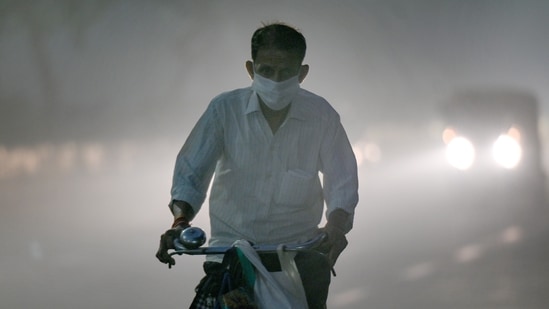
Air pollution has long been a serious concern, and its effects are not limited to the festive period. Firecracker emissions, combined with existing vehicular and industrial pollution, contribute to elevated concentrations of particulate matter and harmful gases in the atmosphere.
Also Read | Doctor explains how high-intensity noise can cause lasting ear damage and affect balance
“For individuals with pre-existing respiratory conditions, continued exposure to polluted air can aggravate symptoms and increase the likelihood of respiratory flare-ups,” shared Dr Sapna Yadav, senior consultant of pulmonology and sleep medicine at Sarvodaya Hospital, Greater Noida, with HT Lifestyle.
What makes air pollution harmful to the lungs?
Rising air pollution generally refers to the increasing level of fine particulate matter, like PM2.5 and PM10, in the atmosphere. Because of festive firecrackers, gases like sulphur dioxide and nitrogen oxides are also introduced into the mix.
“These pollutants can irritate the respiratory tract and trigger inflammatory responses in the airways. While larger particles may get trapped in the upper respiratory tract, finer particles can travel deeper into the lungs, potentially affecting the smaller airways and lung tissue,” stated Dr Yadav.
{{/usCountry}}“These pollutants can irritate the respiratory tract and trigger inflammatory responses in the airways. While larger particles may get trapped in the upper respiratory tract, finer particles can travel deeper into the lungs, potentially affecting the smaller airways and lung tissue,” stated Dr Yadav.
{{/usCountry}}“PM2.5 is particularly concerning because of its small size, which allows it to penetrate deep into the respiratory system,” she continued. “Repeated exposure can increase airway irritation and oxidative stress, making individuals more susceptible to respiratory symptoms.”
How prolonged exposure worsens existing respiratory conditions
1. Asthma
The pulmonologist warned that people living with asthma may experience increased wheezing, coughing, chest tightness, and breathlessness when exposed to polluted air.
Pollution can trigger airway inflammation and make the airways more sensitive to other environmental irritants.
2. Chronic obstructive pulmonary disease (COPD)
Much like asthma, individuals with chronic obstructive pulmonary disease (COPD) may experience worsening breathlessness, increased coughing and changes in sputum production.
“Such episodes, known as exacerbations, can sometimes require emergency medical attention or hospitalisation,” noted Dr Yadav.
3. Other respiratory issues
In the words of the pulmonologist, “People with allergic rhinitis, chronic bronchitis and other respiratory sensitivities may also experience persistent throat irritation, nasal congestion and coughing. Children, older adults and individuals with compromised lung function are particularly vulnerable.”
Can repeated exposure have long-term consequences?
According to Dr Yadav, the concern with air pollution extends beyond temporary irritation.
“Epidemiological evidence has linked prolonged exposure to particulate air pollution with reduced lung function, worsening respiratory diseases and an increased risk of developing chronic respiratory conditions,” she highlighted, adding, “Repeated inflammatory episodes may also contribute to the progression of existing lung disease.”
However, the extent of the impact depends on several factors, including the concentration and duration of exposure, age, individual susceptibility and pre-existing medical conditions. Not everyone exposed to polluted air will develop lasting lung damage.
What precautions should people take?
There are a number of precautionary measures one can take to lower the risk of respiratory issues from air pollution. The ones shared by Dr Yadav include:
- Individuals should monitor daily air quality index (AQI) levels and limit outdoor activities when pollution levels are particularly high. Strenuous outdoor exercise should be avoided during severe pollution episodes, as increased breathing rates can lead to greater pollutant inhalation.
- Keeping windows closed during peak pollution periods, using appropriately maintained indoor air purifiers and wearing a well-fitted N95 mask when outdoors are unavoidable, as they can help reduce exposure to particulate matter.
- People with asthma or COPD should continue their prescribed medication and keep their inhalers readily accessible. They should not independently discontinue or modify their treatment because of improving air quality.
- Persistent breathlessness, worsening wheezing, chest tightness or a significant increase in coughing should prompt medical evaluation.
Note to readers: This article is for informational purposes only and not a substitute for professional medical advice. Always seek the advice of your doctor with any questions about a medical condition.
Catch your daily dose of Fashion, Taylor Swift, Health, Festivals, Travel, Relationship, Recipe and all the other Latest Lifestyle News on Hindustan Times Website and APPs.
Catch your daily dose of Fashion, Taylor Swift, Health, Festivals, Travel, Relationship, Recipe and all the other Latest Lifestyle News on Hindustan Times Website and APPs.