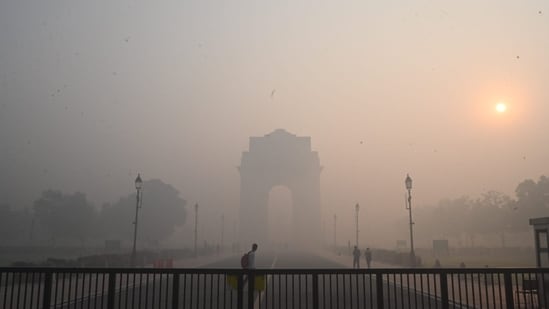
During Diwali and after the festival, the air quality is reaching dangerous levels, and people are waking up with headaches, coughing and sneezing. Those with comorbidities are even more vulnerable. At this time, panicking is not the answer. Even if you have an air purifier at home, you still need to know how to manage these symptoms.
We asked a pulmonologist what needs to be done to manage these symptoms in the wake of rising pollution levels.
ALSO READ: Delhi Continues to Breathe ‘Very Poor’ Air as AQI Reaches 370
Dr Kuldeep Kumar Grover, associate director of pulmonology and critical care at CK Birla Hospital, Gurgaon, expressed concern that fine particulate matter (PM 2.5 and PM 10), along with harmful gases released during firecracker combustion, can irritate the airways and trigger coughing, a sore throat, sneezing, wheezing, chest tightness, headaches and eye irritation. Those with asthma, COPD, and other respiratory conditions should be more careful, as they are at greater risk.
How to manage symptoms?
Managing symptoms starts with reducing exposure immediately, which means staying indoors, wearing a mask when stepping outside and using an air purifier at home. Limit outdoor exercise as well. To help soothe the symptoms you are experiencing, the pulmonologist recommended staying hydrated and having warm fluids.
{{/usCountry}}Managing symptoms starts with reducing exposure immediately, which means staying indoors, wearing a mask when stepping outside and using an air purifier at home. Limit outdoor exercise as well. To help soothe the symptoms you are experiencing, the pulmonologist recommended staying hydrated and having warm fluids.
{{/usCountry}}He said, “For mild coughing and throat irritation, drink adequate water, have warm fluids and gargle with lukewarm salt water. Honey may help soothe coughing in adults and children above one year. Avoid smoking, incense sticks and other sources of indoor pollution. If you experience a headache, move to a cleaner environment, rest and stay hydrated. People using prescribed inhalers should continue their medication as advised by their doctor.”
What are the immediate warning signs?
Do not ignore warning signs, as they may mean a worsening situation or a serious condition. Symptoms such as a persistent or worsening cough, wheezing and chest tightness require attention. Dr Grover identified the following red flags that require imemdiate medical help:
- Difficulty speaking in complete sentences
- Severe breathing difficulty
- Bluish lips
- Confusion
- Fainting
Preventive measures
Here are the recommended preventive measures from the expert:
- Minimise exposure to polluted air.
- Avoid outdoor activities during periods of severe pollution.
- Keep windows closed when outdoor air quality is poor.
- Use a HEPA air purifier, if available.
- Wear a well-fitted N95 mask when stepping outside.
- Take extra precautions for children, older adults, and people with existing respiratory illnesses.
- Do not ignore persistent symptoms as only regular Diwali irritation.
Note to readers: This article is for informational purposes only and not a substitute for professional medical advice. Always seek the advice of your doctor with any questions about a medical condition.
Catch your daily dose of Fashion, Taylor Swift, Health, Festivals, Travel, Relationship, Recipe and all the other Latest Lifestyle News on Hindustan Times Website and APPs.
Catch your daily dose of Fashion, Taylor Swift, Health, Festivals, Travel, Relationship, Recipe and all the other Latest Lifestyle News on Hindustan Times Website and APPs.