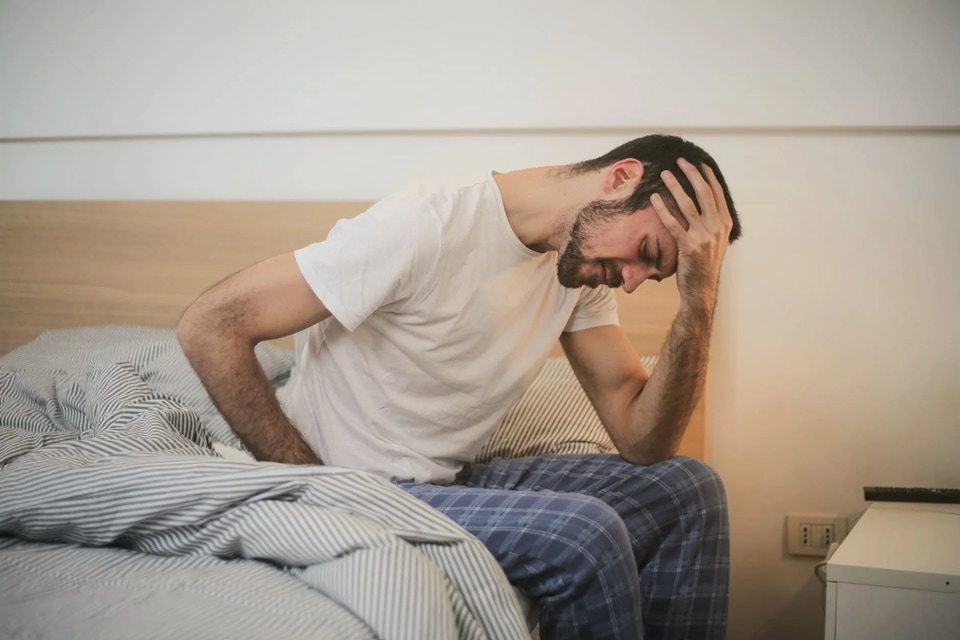
Depression, anxiety, worries about the pandemic and other sources of distress prior to getting Covid-19 may increase the chance of developing persistent “long-haul” symptoms, a Harvard University study found. Preinfection psychological distress was associated with a higher risk of post-Covid conditions, researchers at the Harvard T.H. Chan School of Medicine in Boston said. Their study, which tracked some 55,000 people over 19 months, found the link increased in a dose-dependent manner. Those who experienced two or more types of distress before their infection had almost a 50% greater risk of self-reported impairment lasting four weeks or more. (Also read: Long Covid in kids: How common it is, symptoms, treatment and all you want to know)
Lingering symptoms -- spanning chronic fatigue and “brain fog” to hair loss and shortness of breath -- are estimated to afflict some 10% to 20% of Covid survivors. No one knows yet what causes them, though obesity, female sex, hypertension and a weakened immune system are among purported risk factors. With long Covid estimated to cost $3.7 trillion in the US alone, there’s an urgent need to understand the condition to find ways to treat and prevent it.
What Experts Know About ‘Long Covid’ and Who Gets It
Psychological distress has been linked to longer and more severe illness after respiratory tract infections, and it might drive the kind of immune activation and dysregulation implicated in long Covid, the Harvard researchers said in the study published Wednesday in the journal JAMA Psychiatry.
“Identification and treatment of biological pathways linking distress with long-term Covid-19 symptoms may benefit individuals with post-Covid-19 conditions or other chronic post-infection syndromes,” the investigators wrote. “Further research should investigate whether interventions that reduce distress help prevent or treat post–Covid conditions.”
{{/usCountry}}“Identification and treatment of biological pathways linking distress with long-term Covid-19 symptoms may benefit individuals with post-Covid-19 conditions or other chronic post-infection syndromes,” the investigators wrote. “Further research should investigate whether interventions that reduce distress help prevent or treat post–Covid conditions.”
{{/usCountry}}Long Covid differs substantially from symptoms of mental illness, and the results shouldn’t be misinterpreted as supporting a hypothesis that the condition is psychosomatic, or has no medical explanation, the researchers said. Among respondents who developed post-Covid conditions, more than 40% had no reported distress prior to catching the coronavirus.
The study, which examined some common, yet largely unstudied types of distress, including loneliness, used data from other cohort studies in which participants were often white female health-care workers. That might limit how generalizable the study’s findings are to other groups, the authors said.
Catch your daily dose of Fashion, Taylor Swift, Health, Festivals, Travel, Relationship, Recipe and all the other Latest Lifestyle News on Hindustan Times Website and APPs.
Catch your daily dose of Fashion, Taylor Swift, Health, Festivals, Travel, Relationship, Recipe and all the other Latest Lifestyle News on Hindustan Times Website and APPs.