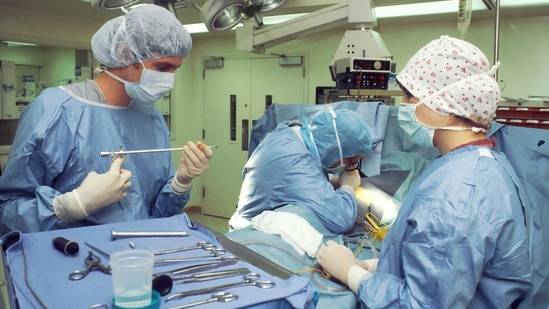
A study by researchers at Queen Mary University in London has investigated how women who are at high risk of ovarian cancer make choices about possible preventive surgery.
Women who have BRCA1 and BRCA2 genetic mutations have a 17-44% lifetime risk of ovarian cancer. Scientists now believe that most ovarian cancers begin in the fallopian tubes, and so women at high risk can choose to undergo surgery to remove both their fallopian tubes and ovaries to reduce their risk. For those who have not yet reached menopause, there are difficult decisions around the order and timing of surgeries, as removing the ovaries will induce menopause.
The women interviewed were 24 participants in the UK PROTECTOR trial, in which removal of tubes as an initial step, and delayed removal of ovaries in a second surgery, is being offered as an alternative to standard surgery, which removes both at once.
Standard surgery, removing both the tubes and ovaries, induces menopause in women who have not yet reached this stage of life. The proposed alternative two-step protocol delays the induced menopause caused by the removal of the ovaries and therefore avoids menopause side effects.
The study found that women who were more concerned about cancer risk than about menopause preferred the standard surgery, but those who were more concerned about the detrimental impact of menopause chose the two-step procedure.
Women managed in specialist familial cancer clinic settings felt that they received better quality care than those in non-specialist clinics. The authors hope that this study will help health professionals to improve decision support provided to women who carry these genetic mutations.
{{/usCountry}}Women managed in specialist familial cancer clinic settings felt that they received better quality care than those in non-specialist clinics. The authors hope that this study will help health professionals to improve decision support provided to women who carry these genetic mutations.
{{/usCountry}}Author Professor Ranjit Manchanda from the Queen Mary University of London said: "This study shows that a number of women prefer a two-step operation to manage their ovarian cancer risk. It is important for women to be given different options so that they can choose what is best for them. Women are happier with their care in specialist family cancer clinics. We need to set up a system for women at higher risk of gynaecological cancers to access such centres, which are able to provide a more streamlined, holistic approach."
Follow more stories on Facebook and Twitter
This story has been published from a wire agency feed without modifications to the text.Catch your daily dose of Fashion, Taylor Swift, Health, Festivals, Travel, Relationship, Recipe and all the other Latest Lifestyle News on Hindustan Times Website and APPs.
Catch your daily dose of Fashion, Taylor Swift, Health, Festivals, Travel, Relationship, Recipe and all the other Latest Lifestyle News on Hindustan Times Website and APPs.