
 E-Paper



What is the incubation period of Nipah virus? Microbiologist explains the detection difficulty and symptoms over time
What is Nipah virus? Learn about its symptoms, transmission, and prevention measures to help reduce outbreaks and protect public health.

 Prefer HTon Google


Countries in Asia are increasing health screenings in response to the surge in Nipah virus cases in India. Thailand, Singapore, Hong Kong, and Malaysia have implemented new testing measures following the detection of two cases of Nipah virus in West Bengal. This virus has a high fatality rate in humans, ranging from 40 to 75 per cent, depending on how well a country can test, trace, and treat infected people, according to the World Health Organization (WHO). The Nipah virus can spread from person to person. Still, it rarely does, and outbreaks are usually small and manageable, experts and the European Centre for Disease Prevention and Controlsay. Here’s what we know about the virus, including how it spreads, its symptoms, and how long it takes to show symptoms.
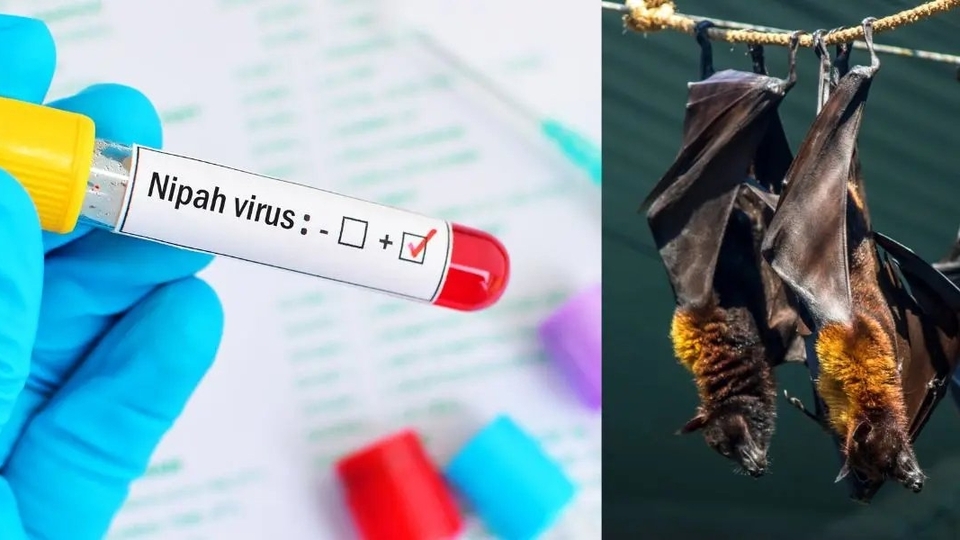

What is Nipah virus?
"Nipah virus is a disease that can pass from animals to humans. It is similar to COVID-19 and Ebola and is mostly spread by fruit bats," Dr Dip Narayan Mukherjee, Consultant- Microbiology and infectious diseases, CK Birla Hospitals, CMRI, tells Health Shots. According to the WHO, the primary route of infection is the consumption of fruit or fruit products, such as raw date palm juice, that contain urine or saliva from sick fruit bats.
The virus spreads between people, typically among those who are in close contact. It can also spread to animals like pigs, dogs, cats, sheep, and horses, according to the UK Health Security Agency. "This virus was first found in 1999 during an outbreak among pig farmers in Malaysia and Singapore. Since then, outbreaks have happened almost every year in Bangladesh and India," says the doctor.
What is the incubation period of Nipah virus?
One of the major challenges of the Nipah virus is its incubation period, the time from exposure to the virus until symptoms begin. Most viral infections present with symptoms within a few days, whereas Nipah can be more unpredictable. "Its incubation period usually lasts 5 to 14 days. Still, in some cases, symptoms may take up to 45 days to appear," says the infectious diseases doctor.
During the incubation phase, individuals may feel well and go about their daily lives while unknowingly transmitting the virus. This is concerning. "The lack of early warning signs makes it hard to identify infected individuals solely based on symptoms", says the microbiologist. As a result, unnoticed transmission can easily happen, making it more difficult to control outbreaks.
What are the early signs of the Nipah virus?
Early signs of Nipah virus infection include fever, headache, muscle aches, sore throat, and fatigue. These symptoms are common in many viral illnesses. "Because of this, they may ignore their symptoms or try to treat themselves rather than seek care from a healthcare provider. When someone has flu-like symptoms, they might mistake these signs for a common cold," says the expert. This can lead to delays in getting medical help and to the isolation of those who are infected. As a result, the virus can spread more easily to others, creating a public health concern.
What are the long-term effects of the Nipah virus?
Over time, changes in the Nipah virus can occur. About 25% of patients may develop serious brain complications, according to Tropical Medicine and Infectious Disease. This can lead to frightening symptoms such as dizziness, confusion, changes in behaviour, seizures, and, in severe cases, loss of consciousness or coma due to encephalitis. Respiratory distress can cause cough and breathlessness. This increases the risk of transmitting the virus to nearby individuals.
The disease affects people differently. Some patients may worsen quickly after developing neurological symptoms. Others may remain stable for several days before experiencing a sudden decline. The expert cautions against "feeling too optimistic about recovery because there have been cases where neurological problems surfaced weeks or months later. This highlights the importance of long-term monitoring."
How to prevent the spread of the Nipah virus?
There are no specific antiviral treatments for Nipah, so it is important to recognise symptoms early and provide supportive medical care. The unpredictable incubation period underscores the need for public health measures, such as contact tracing and strict infection-control practices in healthcare settings. Acting quickly can reduce the spread of the Nipah virus and save lives.
We can take steps to reduce the risk of Nipah virus infection. One important step is to report any symptoms promptlywithin 14 days of possible exposure. Following isolation guidelines, especially when you have symptoms, can help prevent serious outcomes and larger outbreaks.
(Note to readers: This article is for informational purposes only and not a substitute for professional medical advice. Always seek the advice of your doctor with any questions about a medical condition.)

Catch your daily dose of Fashion, Taylor Swift, Health, Festivals, Travel, Relationship, Recipe and all the other Latest Lifestyle News on Hindustan Times Website and APPs.


