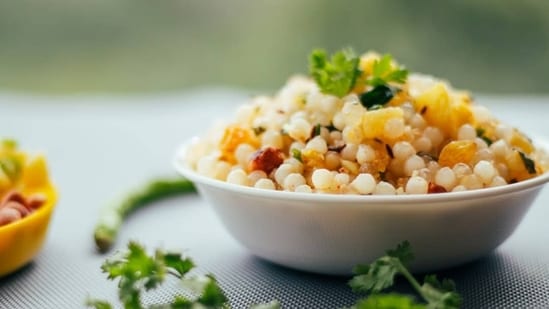
During Navratri, vrat foods such as sabudana, potatoes, and kuttu ki puri become a popular choice. With changes in meal timings and a break from some of their usual protein sources, those observing the fast may wonder whether it could affect their muscle mass. So, how can you follow your fasting traditions, as well as maintain your strength?
ALSO READ: Saatvik food here to stay? Navratri thalis become more mainstream, finding place at fine dining
Lifestyle coach, fitness and sports nutritionist Mitushi Ajmera walked us through why fasting does not have to mean losing muscles. She shared how eating enough, choosing protein-rich foods permitted during fast and during the fasting period also continuing some form of strength training can help support your fitness goals.
“During these nine days of the Navratri, your food choice may change, but your body’s basic needs don’t. You still need protein and carbohydrates. You just have to take them from foods that work with your fasting rules,” she said.
So, you need to pay attention to the foods available to you and choose accordingly. Depending on your fasting practices, you can include dairy for protein and foods such as kuttu, samak rice, and potatoes for carbohydrates.
{{/usCountry}}So, you need to pay attention to the foods available to you and choose accordingly. Depending on your fasting practices, you can include dairy for protein and foods such as kuttu, samak rice, and potatoes for carbohydrates.
{{/usCountry}}“What matters is how much you are eating, how much protein you are having in your meal, and whether you continue some form of strength training.”
You may think you do not have many options, but take a closer look at the protein sources permitted during your fast. Keep up with strength training, adjusting your workouts to your energy levels.
You may think you do not have many options, but take a closer look at the protein sources permitted during your fast. Keep up with strength training, adjusting your workouts to your energy levels.
Here are some of the dietary tips from the nutritionist:
1. Keep meals balanced
- Enjoy fried potatoes, puris, and sweets in moderation.
- Relying mainly on fried or sweet foods can add calories while leaving your meals short of protein and other essential nutrients.
2. Do not turn your fast into a crash diet
- Eating too little is not the answer.
- If you have only one main meal, make it balanced with foods like kuttu roti or samak rice, raita, and lentils or pulses, if fasting rules permit them.
3. Include protein in meals
- Choose milk, curd, paneer, and any lentils permitted during your fast.
- Dairy can also be a snack, paired with fruit, vegetables, or a small portion of nuts.
4. Do not fear carbohydrates
- Kuttu, samak rice, potatoes, and sweet potatoes provide carbohydrates for energy, particularly if you continue exercising during Navratri.
5. Watch portions of nuts, seeds, and fried foods:
- Nuts and seeds can be included, but they are also calorie-dense, so be careful.
- Limit fried foods instead of including them with every meal.
6. Continue strength training
- Keep up some form of strength training to maintain muscle.
- Adjust the intensity or amount of exercise if your energy levels are low.
Note to readers: This article is for informational purposes only and not a substitute for professional medical advice. Always seek the advice of your doctor with any questions about a medical condition.
Catch your daily dose of Fashion, Taylor Swift, Health, Festivals, Travel, Relationship, Recipe and all the other Latest Lifestyle News on Hindustan Times Website and APPs.
Catch your daily dose of Fashion, Taylor Swift, Health, Festivals, Travel, Relationship, Recipe and all the other Latest Lifestyle News on Hindustan Times Website and APPs.