In today's fast-paced digital world, sorting actionable wellness advice from social media fads has never been more challenging. HT Health Talk, a weekly wellness series by Hindustan Times, aims to bridge this gap by bringing expert-led, evidence-based, and practical health guidance straight from clinical specialists to your daily routine. Also read | HT Health Talk: Bengaluru dietician answers all your burning questions about the right food for weight loss
This week, we take a deep dive into the everyday Indian kitchen. From the true impact of jaggery in your morning chai to whether cold-pressed oils live up to the hype. Ahead, Aditi Prasad Apte, senior clinical nutritionist at Aster RV Hospital, Bengaluru, breaks down the myths surrounding popular food swaps and offers realistic, balanced strategies for weight management and blood sugar control:
1. Is jaggery really better for blood sugar, or should it be treated like sugar in chai and sweets?
Jaggery is often perceived as a healthier alternative to refined sugar because it contains small amounts of minerals. However, from a blood sugar perspective, it should still be treated like regular sugar. Jaggery contains a high proportion of carbohydrates and can raise blood glucose levels, particularly when consumed frequently or in large quantities. Replacing sugar with jaggery does not automatically make chai, sweets or desserts healthier. People with PCOS, insulin resistance or diabetes should focus on reducing their overall intake of added sugars rather than simply changing the sweetener. Portion control and frequency of consumption matter more than the source of sweetness.
2. For blood sugar control, is switching to millets better, or is eating less rice with more dal and sabzi enough?
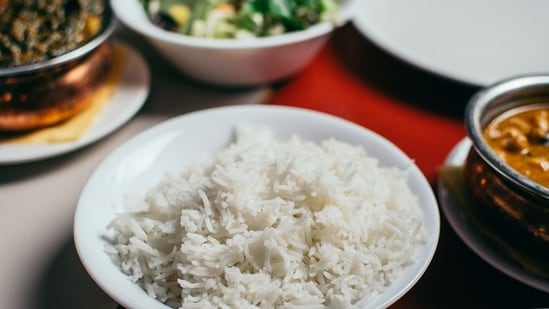
Switching entirely to millets is not necessary for better blood sugar control. Reducing the amount of white rice and combining it with adequate amounts of dal, vegetables, and other protein sources can be equally useful. Millets offer dietary fibre and other nutrients, but their glycaemic response varies depending on the variety, processing and preparation method. Even millets can raise blood glucose when consumed in large portions. A balanced plate containing vegetables, protein and a controlled portion of rice or millet is a practical approach. Dietary variety and portion control are more important than completely eliminating rice.
3. How many rotis per meal are suitable, and does whole wheat actually keep a person full longer?
{{/usCountry}}Switching entirely to millets is not necessary for better blood sugar control. Reducing the amount of white rice and combining it with adequate amounts of dal, vegetables, and other protein sources can be equally useful. Millets offer dietary fibre and other nutrients, but their glycaemic response varies depending on the variety, processing and preparation method. Even millets can raise blood glucose when consumed in large portions. A balanced plate containing vegetables, protein and a controlled portion of rice or millet is a practical approach. Dietary variety and portion control are more important than completely eliminating rice.
3. How many rotis per meal are suitable, and does whole wheat actually keep a person full longer?
{{/usCountry}}The number of rotis should depend on an individual's calorie requirements, activity levels, body weight and blood sugar status. For many adults, one or two medium-sized whole-wheat rotis can be a reasonable starting portion, provided the meal also includes dal, vegetables, curd, or another protein source. Whole wheat contains more fibre than refined flour, which can support digestion and improve satiety. However, whole-wheat rotis are still carbohydrate-rich foods and can raise blood glucose levels. Eating them alongside protein and fibre-rich vegetables helps create a more balanced meal and may keep a person fuller for longer.
4. Does cold-pressed oil change blood sugar or cholesterol, or does the total oil per day matter more?
Cold-pressed oils are often marketed as healthier, but they are not automatically better for blood sugar or cholesterol. Their nutritional value depends on the source, fatty acid composition, processing and cooking method. Oils rich in unsaturated fats, such as groundnut, mustard and sesame oil, can be useful alternatives to fats high in saturated fatty acids. However, all cooking oils are calorie-dense, and excessive consumption can contribute to weight gain. For people with PCOS, insulin resistance or high cholesterol, the priority should be controlling total oil intake, choosing healthier fat sources and limiting deep-fried foods rather than relying on expensive speciality oils.
5. Are millets actually helpful for PCOS, or can a large portion also spike sugar?
Millets can be a useful addition to a PCOS-friendly diet because several varieties provide fibre, minerals and other nutrients. They may help improve overall dietary quality when they replace some refined grains. However, millets are not a treatment for PCOS, nor are they automatically low-glycaemic foods. Large portions, highly processed millet products and preparations with added sugar or excess fat can undermine their benefits. Women with PCOS should combine moderate portions of millets with vegetables, pulses and protein-rich foods. The 2023 international PCOS guideline also emphasises sustainable, balanced eating rather than recommending one specific diet. Also read | HT Health Talk: Science-backed food swaps for midnight cravings, afternoon energy slumps and desk snacking to protect body clock
6. Is roasted makhana a good daily snack for PCOS, and how much is too much?
Roasted makhana can be a convenient alternative to fried namkeen, chips and other calorie-dense snacks. It provides carbohydrates, some protein and small amounts of fibre. However, makhana is not a high-protein food, and eating large quantities can still increase calorie and carbohydrate intake. A practical serving is approximately 20–25 grams of dry makhana, roasted with minimal oil and without excessive salt. People with PCOS can pair it with curd or a small portion of nuts to improve the overall nutritional balance. The important considerations are portion size, preparation method, and the person's total daily calorie intake.
7. If only one change is possible, what helps weight loss most — less oil, less sugar/jaggery, less rice, or no fried namkeen?
If someone can make only one change, I would recommend reducing the foods that contribute the most excess calories to their diet. For many people, this could mean cutting down on fried namkeen, excessive use of cooking oil, or sugary drinks. There is no universal winner because eating habits differ. Reducing added sugar helps lower unnecessary calorie intake, while controlling oil and fried snacks can substantially reduce meal calories. Reducing rice portions can also help when portions are excessive. Ultimately, sustainable weight loss requires a consistent calorie deficit. The most effective change is the one a person can maintain every day.
8. What is the simplest chai and tiffin swap that can be followed every day without feeling deprived?
The easiest approach is to make small changes rather than eliminate familiar foods. For chai, gradually reduce added sugar or jaggery instead of switching to artificial sweeteners immediately. For breakfast, replace deep-fried options such as vada or puri with idli, vegetable dosa, pesarattu or vegetable upma. Include sambar, sprouts, curd or another protein source to improve nutritional balance. If someone enjoys dosa, there is no need to stop eating it; controlling the portion and accompanying it with protein-rich foods is sufficient. These practical substitutions are easier to sustain than restrictive diets and can support better weight management.
9. During festivals and family dinners, what is the one rule to follow — portion, order of eating, or skipping sweets?
Portion control is the most important rule because completely avoiding festive foods can make it difficult to sustain healthy eating. A useful strategy is to begin with vegetables, salads and protein-rich foods such as dal or paneer, followed by rice, roti or other carbohydrate-rich dishes. This eating order may help reduce post-meal glucose spikes, according to clinical research. People do not need to skip sweets altogether. Instead, choose a small serving, enjoy it mindfully and avoid repeated servings. Maintaining balance across the day is more important than feeling guilty about enjoying one festive meal.
10. Based on recent reports, which five swaps are actually recommended, and which ones can be skipped?
Five practical swaps worth prioritising are: replacing sugary chai with chai made with gradually reduced sugar; choosing moderate portions of rice or whole grains instead of oversized cereal servings; including dal, vegetables, and protein with every major meal; replacing fried namkeen with roasted snacks or fruit; and reducing excessive use of cooking oil. These changes support better dietary quality and weight management. However, completely replacing rice with millets, buying expensive cold-pressed oils, eliminating jaggery while continuing to consume sugar, or avoiding all festive sweets are not essential. The 2023 international PCOS guideline supports sustainable, individualised dietary habits rather than restrictive diets or one specific food prescription.
Note to readers: This article is for informational purposes only and not a substitute for professional medical advice. Always seek the advice of your doctor with any questions about a medical condition.
Catch your daily dose of Fashion, Taylor Swift, Health, Festivals, Travel, Relationship, Recipe and all the other Latest Lifestyle News on Hindustan Times Website and APPs.
Catch your daily dose of Fashion, Taylor Swift, Health, Festivals, Travel, Relationship, Recipe and all the other Latest Lifestyle News on Hindustan Times Website and APPs.