
 E-Paper



Loneliness in children: Causes, consequences and what parents can do to help

 Prefer HTon Google


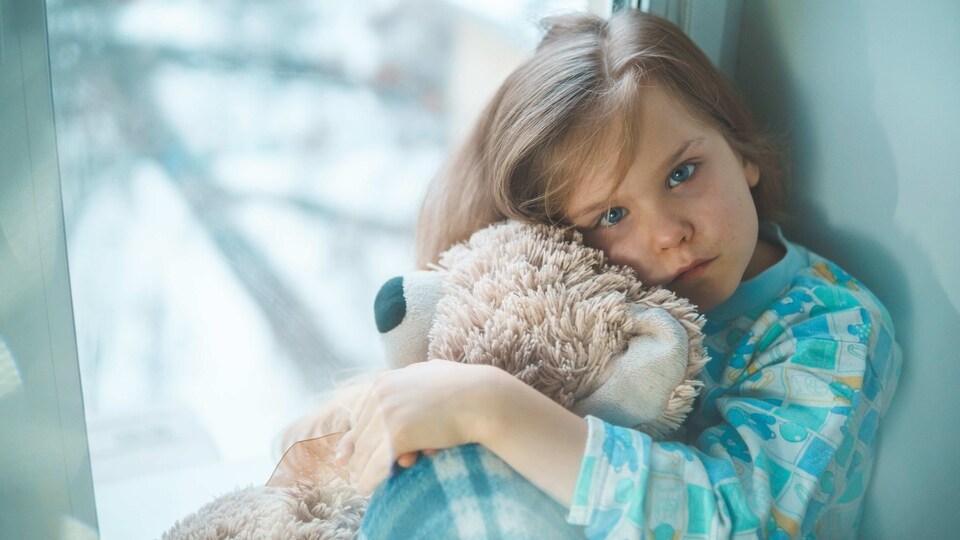
Check out the causes and consequences of loneliness in children and practical tips for parents to help their children foster social connections and combat loneliness.
Most of us would have experienced a bit of loneliness at some point of time in our lives. It is not uncommon to long for contact and connections with other people. However, when we think of loneliness, we often think and understand it in the context of adults or older people. Since children are frequently surrounded by other people, including other kids, teachers, and family members, the idea that they can feel lonely is not something we might consider explicitly. Loneliness is a very personal and subjective emotion that affects everyone differently including children. The idea of loneliness is not always related to the presence or absence of people around. It is absolutely possible to be actually alone and not feel lonely and yet feel lonely even when one is in a crowd. (Also read: From stigma to support: How parents can help their children overcome the fear of reporting bullying )
Talking with HT Lifestyle, Anna Hema Sam and Shefalika Sahai, Clinical Psychologists at Even Healthcare, shared, "While everyone including children sometimes does go through a lonely spell, such a phase does not typically have lasting impacts. However, if the feeling is present for a period of time and if the child feels lonely all the time, it can have a significant impact on them and also lead to other physical and mental health challenges. Continuous feelings of loneliness can put young children at risk for both short-term including immediate and long-term negative effects."
Anna and Shefalika further talked about causes, consequences of loneliness in children and what parents can do to help.
Causes of loneliness in children:
There are several causes or reasons why a child may feel lonely. Broadly speaking, one could characterise them as external or changes in life circumstances that can contribute towards it and others include factors occurring within the school/academic settings that can result in such feelings. Life circumstances that are known to have an impact on children and can contribute towards feelings of loneliness include:
- Moving to a neighbourhood or relocating to a new city
- Change of schools
- Divorce or separation of parents
- Loss or death of a significant other
- Loss of a friend
Some factors occurring within school/academic settings that can have an impact include:
- Peer rejection
- Frequent fights with peers/friends
- Bullying
In addition to this, the temperament of the child can also play a significant role. A child who is shy or anxious in social situations often might have difficulty in peer communication, some of them may even lack the social skills needed to initiate and/or sustain conversations and have a lower sense of self-esteem, all of which can contribute to poor interpersonal and peer relationships thereby contributing or amplifying the feelings of loneliness.
Consequences of loneliness:
As said before, how one experiences loneliness can be different from how others may experience it. The expression of how children express loneliness can be different and now increasingly more and more children are able to express and report this feeling. For example, a child may say they feel sad and alone to the feeling of not having someone to talk to or play with or not having friends.
Loneliness can affect different parts of a child or a teen’s life. For example, one child, let's say, Khushboo, might be a bright and an intelligent child, however, is now academically not doing well. The feeling of loneliness is affecting her attention and concentration and the motivation to study. Dhruv on the other hand might feel more lonely seeing the photos his friends and peers put on social media with their friends and family. And well even more, Rahul may struggle making new friends and might feel unsure about his skills and if people are interested in talking to him.
Children respond to loneliness in different ways- some may feel sad or alienated and hence go back in their shells and withdraw, while others might emerge angry and act out. Not only loneliness impacts a child’s mental health, it often takes a toll on their physical health too. They tend to fall sick faster, might experience general malaise, have sleep difficulties and may wake up tired or may not sleep enough as they end up worrying or may not eat well due to the worry or may eat more than usual to help themselves feel better.
Every child that sits by themselves or prefers some alone time, may not be lonely. Rather than assuming whether your child is lonely or just shy, the best is to ask them!
What parents can do to help?
Whenever our children have an issue- parent mode is on and we want to ‘fix’ everything instantly. While it is helpful to be action oriented, it is also a good idea to slow down and first listen to what your child has to say. If we don’t give them the space to just talk or vent, we might actually be giving them help or suggestions prematurely and well, that might not be very helpful.
Start by:
1. Asking open-ended questions. To understand their perspective.
2. Making observations. To understand what skills they might be lacking and need further help with.
3. Validating their experiences. Hear them out without judgement (or visible panic) or the urgency of helping them. Simply show your genuine interest in hearing them out.
And then sit with them and work on strategies to help them which can include:
1. Engage in de- stressing activities
- Doing activities together with your child that they enjoy
- Relaxing activities to soothe them during times of stress
2. Make a plan- come up with simple and concrete steps for your child to take. For example, if your child wants to ask his friends if they would like to meet or go play together, work with them to plan how to ask them. It is helpful to also discuss what they could do if the plan doesn't work.
3. Practise social skills: For children who are struggling with their social skills, try to give them or create opportunities for them to practise at their own pace in a supportive environment. Activities such as role playing, taking turns during games or play, or modelling adequate behaviours, involving your child in peer group activities such as sports or dance groups etc can help your child learn these skills better and also provide them opportunities to try these out.
4. Give encouragement: your child might feel scared to try some of these things. Provide them with encouragement and reinforcement for their efforts and work your way through. Don't be dismissive towards their attempts
5. Give a reality check: Children can often struggle socially initially to keep up with their connections due to misunderstandings, or feelings of inadequacies and can interpret situations incorrectly. If your child is interpreting events or situations negatively, helping them process this better and remind them when they’re doing it, can help them break the pattern. For example: a child who has not played or spoke to his friend for a while, you could ask them “Okay, so you haven’t spoken with Aryan in a while. What makes you think he’s mad at you? Could there be any other reasons why Aryan has not spoken to you?” This allows them to look at new perspectives.
6. Helping them build an emotional vocabulary to speak about their feelings, building resilience to celebrate achievements, lack of opportunities, facing fears and understanding others emotions too.


