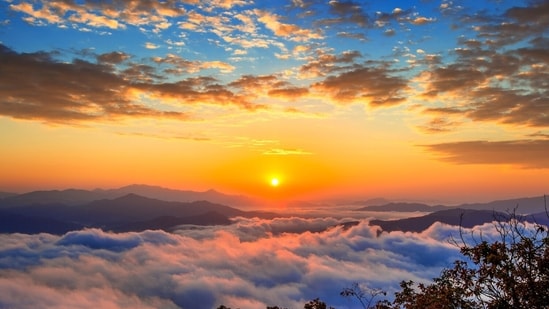
An itinerary generally includes destinations, sightseeing, sports, and activities. Sunrise and sunset points are steadily becoming travel essentials too. Chasing the golden hour is no longer sulking over waking up early to catch the sunrise. Instead, they are willingly setting alarms, checking sunrise timings, and adjusting their schedules.ALSO READ: How to travel safely during monsoon? 5 itinerary mistakes that can make your trip risky
Let's take a closer look to understand how this itinerary trend is unfolding. Ravi Gosain, president of the Indian Association of Tour Operators (IATO), explained why chasing sunrises and sunsets is becoming a significant travel trend and shared the right time to reach popular viewpoints.
Why is this trend growing?
Revealing the shift from hurried sightseeing to slower and more intentional travel experiences, Gosain said, "Today, while travelers are realising their quest for meaningful and unforgettable experiences, places for watching sunrises and sunsets are no longer seen merely as an abstraction but are included in travelers' itineraries as essential elements of their trips. This contributes to the popularization of the practice of waking up early and definitely staying late in order to rejoice in the colors of the shining sky, which no camera is able to capture properly. In the rush of modern life, India's magnificent dawns and dusks hold the promise of something priceless.”
Popular sunrise and sunset destinations
Gosain recommended the following destinations for experiencing spectacular sunrises and sunsets:
{{/usCountry}}Gosain recommended the following destinations for experiencing spectacular sunrises and sunsets:
{{/usCountry}}1. Tiger Hill, Darjeeling
2. Kanyakumari, Tamil Nadu
3. Rann of Kutch, Gujarat
4. Alleppey, Kerala
5. Morjim Beach, Agonda Beach, Goa
6. Lake Pichola, Udaipur
7. Sunset Point, Mount Abu
8. Varkala Beach, Kerala
9. Nandi Hills, Karnataka
How are sunrise and sunset points shaping travel itineraries?
In practice, what does this look like? According to the expert, a sunrise experience generally marks the beginning of the day. It is then followed by breakfast and sightseeing as usual. Similarly, sunset viewing usually becomes the final activity before travellers return to the hotel and have dinner.
Gosain also mentioned the major shift in how these activities are perceived. They are no longer just quick photo stops squeezed between sightseeing plans, but rather major experiences around which the itinerary is actively structured. Such experiences are not an afterthought.
And anyway, as people reconnect with nature amid the hustle and bustle of everyday life, Gosain acknowledged the fervent passion, as some even try to catch one last sunset before leaving the destination.
What is the right time?
Timing is critical as sunrise and sunset occur during a limited time only, so the planning needs to be careful. Gosain said that visitors now check two things: timings and accessibility of viewpoints when they are preparing their itineraries. Tour operators may also schedule long journeys and indoor activities outside these hours to avoid a clash.
"Timing is of utmost importance," the expert stressed, before recommending the following:
- For sunrise: Reach the viewpoint at least 30 to 45 minutes before sunrise. This is important at popular locations, as locating a suitable viewing spot may take time.
- For sunset: Arrive 45 minutes to an hour before sunset. Gives enough time to settle and savour the complete golden hour.
- After sunset: Stay for another 15 to 30 minutes instead of leaving immediately. The twilight period is exciting to watch as it paints the sky in beautiful colours of pink, orange and yellow.
Catch your daily dose of Fashion, Taylor Swift, Health, Festivals, Travel, Relationship, Recipe and all the other Latest Lifestyle News on Hindustan Times Website and APPs.
Catch your daily dose of Fashion, Taylor Swift, Health, Festivals, Travel, Relationship, Recipe and all the other Latest Lifestyle News on Hindustan Times Website and APPs.