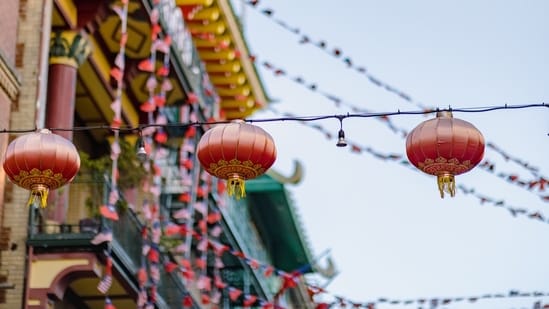
If you think you know Kolkata, you haven't been to Tiretti Bazaar at 5 am. Tucked into the heart of the city is a neighbourhood that does not exist anywhere else in India — India's one and only historical Chinatown. First, the plot twist: Kolkata's old Chinatown was named after an Italian. Yes. Not Chinese. Italian. Also read | No red light, no green light, just hand signals: Thimphu is the only capital city on Earth that has no traffic lights at all
According to Incredibleindia.gov.in, in the late 18th century, a Venetian political exile and architect named Edoardo Tiretta bought land from the British East India Company to build a market. Locals anglicised his name, and Tiretti Bazaar was born. The name stuck long before the Chinese community even arrived.
The Chinese came for trade and just stayed
Per Incredibleindia.gov.in, in the mid-1800s, Chinese sailors travelling along the busy Indo-China maritime route would dock at the port of Calcutta (now Kolkata). They found jobs, opportunity, and a city that let them build a new life. So they stayed. Tanners, silk traders, carpenters, cooks — entire families set up shop in the lanes around Tiretti Bazaar, bringing their language, temples, and recipes with them.
The famous old Chinatown breakfast
Now, it's one of India's most legendary breakfast spot, and you have to wake up at 5 am for it. Because by 6:30 am, it's mostly over. Also read | Photos: A living portrait of Kolkata’s two Chinatowns
{{/usCountry}}Now, it's one of India's most legendary breakfast spot, and you have to wake up at 5 am for it. Because by 6:30 am, it's mostly over. Also read | Photos: A living portrait of Kolkata’s two Chinatowns
{{/usCountry}}Every morning, the lanes of old Chinatown fill with steam, shouting aunties, and massive metal vats of traditional Chinese food – from pork and chicken momos floating in clear, peppery scallion broth to steaming fish-ball soup and noodle soup that has been simmering for hours, plus pork buns, prawn toast, and sesame balls made from recipes that are over a hundred years old. It's authentic Chinese in Kolkata – and it's all gone before most of the city wakes up.
There's also a serene temple hidden in the chaos
Per Incredibleindia.gov.in, right in the middle of all the street food madness is the Temple of Lord Guan — dedicated to the Chinese God of loyalty and strength. Think red lanterns, incense, intricate woodwork, and total silence. It's a calm place in central Kolkata, literally steps away from the chaos.
The history goes even deeper than Tiretti Bazaar. Before Tiretti, there was Tong Achi, Incredibleindia.gov.in shared. His real name was Yang Tai Chow, and he arrived during Warren Hastings' time. He set up a sugar mill 33 km from Kolkata, in a place now called Achipur after him. To this day, his grave and a 200-year-old Chinese temple still stand there. Every Chinese New Year, people do a double pilgrimage — Tiretti Bazaar and Achipur — for lion dances, firecrackers, and ancestor worship.
Catch your daily dose of Fashion, Taylor Swift, Health, Festivals, Travel, Relationship, Recipe and all the other Latest Lifestyle News on Hindustan Times Website and APPs.
Catch your daily dose of Fashion, Taylor Swift, Health, Festivals, Travel, Relationship, Recipe and all the other Latest Lifestyle News on Hindustan Times Website and APPs.