A session on good and bad touch was underway in a classroom when two girls suddenly became quiet and unlike the other children, stopped participating in the discussion . Their looks caught the attention of the teacher who called them after class and asked if they had experienced any bad touch. One of them said that she endured it daily. The other also said it was a regular feature with her. The culprits in these two cases turned out to be an uncle and a neighbour.
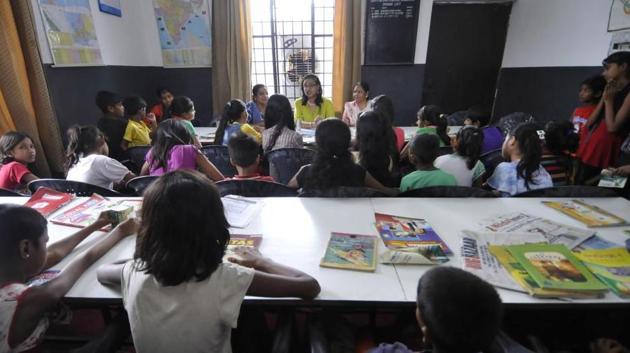
“We have attached so much shame to some body parts that children fight shy of speaking about them. When a child falls on the ground while playing or is hit by another child on the leg,hand, back or elbow , he/she can easily report about it. But the same child would hesitate before telling parents about pain in the private parts . This is where the problem begins,” says Akshai Abraham, founder, project KHEL, who carries out sessions on good and bad touch for children.
Sharing his experiences, Akshai said, “Children often do not have the vocabulary to define the bad touch that they have undergone. So they remain silent and bear the torture.”
The trend of teaching about good and bad touch has started in many city schools where children are shown short films, animations and sketches and taught through mannequins to differentiate between the right and wrong touch. They are also taught about the sacred parts of their body.
When Hindustan Times talked to the principals of some city schools, they all agreed that such sessions had proved to be very useful and several cases of child sexual abuse had come to light only after such sessions.
{{/usCountry}}When Hindustan Times talked to the principals of some city schools, they all agreed that such sessions had proved to be very useful and several cases of child sexual abuse had come to light only after such sessions.
{{/usCountry}}“In many cases, children don’t even realise that whatever is happening to them is a crime and they should object to it. So , such sessions create an awakening,” said Sangeeta Sharma, member, Lucknow Child Welfare Committee (CWC).
“We were conducting a session on right and wrong touch in a slum in Lucknow when some children told us that bad touches were routine for them. Though they did not feel very comfortable, they couldn’t object to such touches as it was very common for the other children as well,” added Sangeeta.
“The subject becomes all the more important for children living in slums as they live in single rooms and often do not have washrooms. Many of our girls told us that they were targeted by some uncles when they bathed near the hand pump or went out to play on the streets or in parks,,” said Rakhi Panjwani, principal Prerna School—an institution for underprivileged girls in the city.
Children are lured with chocolates and toys for sexual abuse. While the culprits seek pleasure in such activities, the children undergo pain and fear. In many cases, the kids are threatened not to speak about the abuse to anyone. They are also made confused on the pretext of secret games and asked not to share the incidents with anyone.
EXPERTSPEAK
Experts feel that such sessions should not only be limited to schools. Parents must also start talking about the good and bad touch to their children right from a very early age.
Dr Smita Srivastava, consultant psychiatrist says, “The taboo attached to sexuality must end. Parents must initiate such conversations with kids when they take them for a bath. They must be told that no one has the right to touch their body parts. They must be taught about the sacred areas of their body about which they need to be over cautious.” Smita says that such sessions should be carried out repeatedly to ensure that the children understand the issue well.
Akshai Abraham says, “Forge a relationship where your child can talk to you about anything. Do not dismiss stories even if you can make out that they are made up. Listen to the stories and respond. Teach your child about private parts and do not say ‘shame shame’.