Nawabganj and Sandi bird sanctuaries now house over 140 species of birds, most of which are migratory, owing to the revival efforts of the forest department and the support of irrigation department. The initiative under endangered species project of the forest department has increased the water level to more than 1.75 metres in the two wildlife reserves.
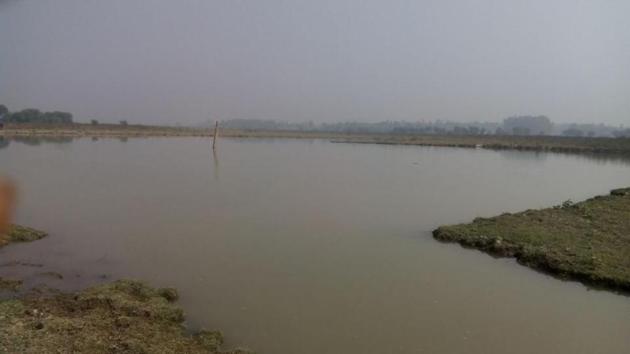
“Water mandatory for birds, had almost vanished and we could see cracks in the ground. With a year-long effort water is back and that too at a good level,” said Renu Singh, conservator forest, endangered species project.
Natural water sources comprising river catchment and rain water had either dried up or did not supply enough water to feed the ponds at these bird sanctuaries. Consequently the number of migratory birds taking refuge in the two reserves had declined.
Nawabganj, established in 1984 in Unnao, has a 90-hectare pond which is fed by Sharda canal. While Garra river supplies water to the 214- hectare pond in Sandi, which was established in 1990 and is in Hardoi.
Read more: India welcomes its winter guests
Presently, three pumps are pumping water into the ponds everyday. Success of the project, Singh said, has engendered plans to make these pumps permanent so water can be brought in whenever the water table recedes.
{{/usCountry}}Presently, three pumps are pumping water into the ponds everyday. Success of the project, Singh said, has engendered plans to make these pumps permanent so water can be brought in whenever the water table recedes.
{{/usCountry}}“Without water birds won’t visit these wildlife parks. If both these have water round-the-year, biodiversity will develop to an extent that migratory birds will stay long and breed too, which was happening a few years before,” she said.
“We are working on the possibility of installing solar pumps which will not require any electricity supply,” said Singh talking about the other initiatives the department plans to launch.
If everything goes well, sarus and other migratory birds will breed at these two birds sanctuary attracting more eco-tourists to Uttar Pradesh during the peak season between October and March. Impact of the initiative can already be felt with a noticeable increase in the avian population frequenting the sanctuaries.
Read more: Bird population doubles in Delhi’s Okhla sanctuary, shows bird census