
 E-Paper



Demonetisation: E-wallet apps upgrade features to tighten up security
It’s adapt or perish time for e-wallet apps that have suddenly been forced to cater to thousand of more users following the demonetisation announcement.

 Prefer HTon Google


It’s adapt or perish time for e-wallet apps that have suddenly been forced to cater to thousand of more users following the demonetisation announcement.
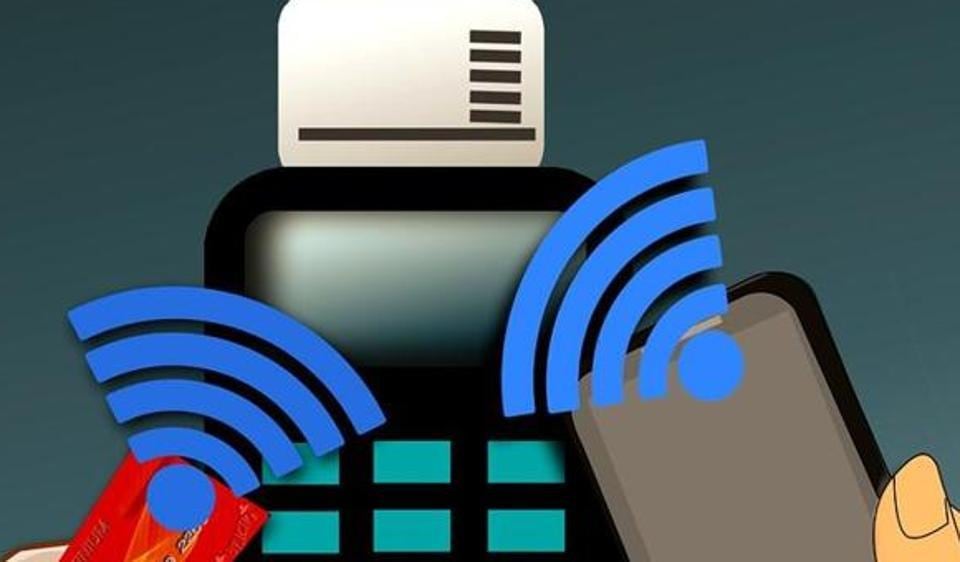
Sick of queues, many Mumbaiites have signed up for e-wallet apps; while small vendors and vegetable sellers have also resorted to accepting payments through such apps.
The apps are now upping their security features, imposing cash limits and asking for transaction passwords to make payment a more secure.
While experts feel e-wallets in generally safe, newer applications coming into market may need quality checks.
“To avoid misuse, phones need to be secured first. If they are in the wrong hands, it would compromise details. Other safeguards come later,” said cyber expert Vicky Shah.
Shah said there were no security passwords for e-wallets earlier.
Even the RBI has stepped in, setting a cap of Rs20,000 as a balance limit for e-wallets. This cap is relaxed to Rs1 lakh only after the know-your-customer process (KYC) to verify the user has been completed .
“These checks have also made it possible to track thos who steal money using e-wallets. Through the transactions and with help of the telecom service provider, officials can find the communication device from which the transaction was done. But this takes a lot of time,” Shah said.
To add a another layer of security, the telecom regulator has asked service providers to use the Aadhar cards’biometric records before handing out new numbers.
“The key to keeping ensuring your e-wallet is safe is not linking it to bank accounts. An auto refill to the e-wallet will keep your wallet full whenever it dries up. But this not alert the user to keep if money is being emptied,” Shah said.
READ
Of passwords and OTPs: Cashless economy may boost cyber crime


