A picture of a boy grinning in triumph as he manages to set a top spinning, string dangling from his raised fist. Another of a sari-clad woman who perches next to a stainless steel bucket and prepares to wash her clothes as the warmth of her rumpled bed is visible in the background. Then there is one showing a man, in the heat of the afternoon sun, watching the world go by from his balcony. These photographs are part of the Archiving the Mill Lands: The Mythologies of Mumbai Project, launched on Monday at Columbia Global Centres in Nariman Point.
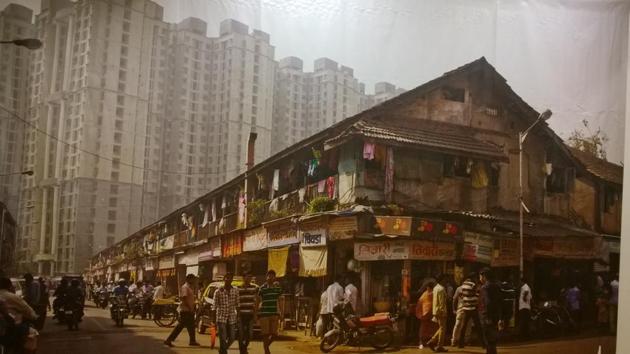
The exhibit, the first of the ‘Mumbai as a City of Knowledge’ series, chronicles the lives of slum dwellers in Girangaon – an area, in what is now central Mumbai, which once housed 130 mills.
“Such urban spaces are usually seen as places of squalor and debasement, they are rarely romanticised. The shutting down of the mills [following the Great Bombay Textile Strike of 1982] was tragic, but needed to be immortalised so it can shape the city’s future,” said Dr Ravina Aggarwal, director, Columbia Global Centres, Mumbai.
The exhibit offers an intimate look into the lives of Girangaon residents, while showcasing their rich heritage, such as their role in shaping the city’s arts and culture, in an aim to destroy stereotypes about the millworkers.
{{/usCountry}}The exhibit offers an intimate look into the lives of Girangaon residents, while showcasing their rich heritage, such as their role in shaping the city’s arts and culture, in an aim to destroy stereotypes about the millworkers.
{{/usCountry}}“Growing up, there was a pervasive notion that all millworkers were alcoholics who loved getting into fights. But, one needs to look at their history of struggle, their loss of livelihood and fear of being displaced to understand them,” said Neera Adarkar, author of One Hundred Years, One Hundred Voices. The Millworkers of Girangaon: An Oral History.
Seven years of work by NGO Partners in Urban Knowledge, Action and Research (PUKAR), comprising 250 recorded interviews and 25,000 photographs, have been distilled into videos, 360 degree multimedia and graphics about the area, which housed 2.5 million millworkers at one point. Strapping on a virtual reality headset, courtesy HELM Studio, takes you to an empty chawl corridor, a bicycle propped up outside a locked door on which a ‘Happy New Year’ banner hangs.
“At PUKAR, we believe in democratising research and involving indigenous people, not just experts at institutes. For the archive, we trained people living in Girangaon’s chawls and encouraged them to work with us and conduct research. Many of them had heard of the mill workers’ struggle through their parents’ and grandparents’ stories. They were able to interview their neighbours and relatives to get first-hand experience of the situation,” said Anita Patil Deshmukh, executive director, PUKAR.
Stay updated with all the Breaking News and Latest News from Mumbai. Click here for comprehensive coverage of top Cities including Bengaluru, Delhi, Hyderabad, and more across India along with Stay informed on the latest happenings in World News.
Stay updated with all the Breaking News and Latest News from Mumbai. Click here for comprehensive coverage of top Cities including Bengaluru, Delhi, Hyderabad, and more across India along with Stay informed on the latest happenings in World News.