Republican lawmakers in the United States have introduced legislation that could raise a key salary threshold in the H-1B visa program from $60,000 to nearly $140,000 a year, potentially tightening hiring requirements for companies that rely heavily on foreign professionals.
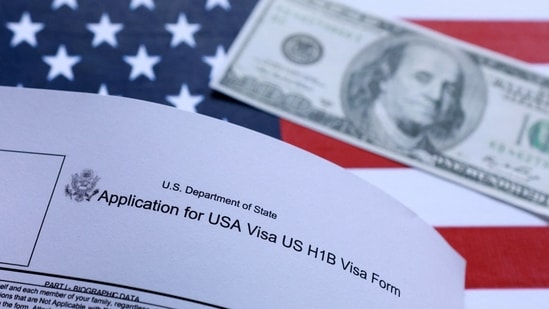
The Protecting American Workers Through H-1B Modernization Act, introduced by Representative Glenn Grothman of Wisconsin and Senator Jon Husted of Ohio, would change the salary threshold used to exempt certain H-1B workers at visa-dependent employers from additional safeguards intended to protect American workers.
The proposal is outlined in the lawmakers’ official announcements from Grothman’s office and Husted’s office.
The proposed $140,000 figure is not a minimum salary for all H-1B workers. Instead, the legislation would update a threshold that has remained unchanged since 1998.
What would the proposed H-1B salary change mean?
Under current law, H-1B-dependent employers must meet additional requirements intended to protect US workers, including attesting that they have first tried to recruit American workers before sponsoring certain H-1B employees.
{{/usCountry}}Under current law, H-1B-dependent employers must meet additional requirements intended to protect US workers, including attesting that they have first tried to recruit American workers before sponsoring certain H-1B employees.
{{/usCountry}}However, some H-1B workers are exempt from these additional requirements if they earn at least $60,000 annually or hold a master’s degree or a higher qualification.
The bill would replace the fixed $60,000 salary threshold with a formula linked to twice the Social Security Administration’s National Average Wage Index. The lawmakers say that would put the threshold at nearly $140,000 at current wage levels.
ALSO READ: US bars Cloudera from green card sponsorship for two years after $2 million settlement
Because the proposed standard would be linked to the index, it could change as average wages rise or fall. The legislation would not, by itself, impose a $140,000 minimum salary on every H-1B visa holder.
Grothman said the existing threshold had not kept pace with wages. Husted argued that companies heavily reliant on H-1B workers should not be able to use an outdated threshold to bypass protections for qualified American workers.
Where does the bill stand?
The proposal remains at an early stage of the legislative process and is not yet law. The Senate version, S. 5638, was read twice and referred to the Senate Judiciary Committee on October 14, according to Husted’s official legislative record.
The legislation would need to advance through Congress and be signed by the president before its proposed changes could take effect.
Why the proposal matters for Indian professionals
The H-1B program is widely used by US technology companies to recruit skilled foreign workers, including professionals from India. Any change to the rules governing H-1B-dependent employers could affect how some companies structure recruitment and assess which workers qualify for exemptions from additional hiring safeguards.
The proposal is part of a broader debate in Washington over the H-1B program, with some lawmakers calling for tighter restrictions while technology companies argue that skilled foreign workers help them fill specialized roles.
Indian professionals considering US employment, however, the immediate distinction is important, the nearly $140,000 figure is a proposed threshold for a specific exemption, not a new salary requirement for all H-1B jobs. The bill must progress through the legislative process before any such change becomes law.