Politicians are made accountable every five years in India. NDA I makes way for UPA I-II and then NDA-II. But the basic structure of permanent bureaucracy is never called into question or held accountable the same way. With career bureaucrats having an average shelf life of over 30 years, many self -serving mandarins outlive politicians by miles, with far less accountability and even less at stake. Then, this isn’t true of just India. Other countries, including all of our sub-continental neighbours exhibit the same behaviour.
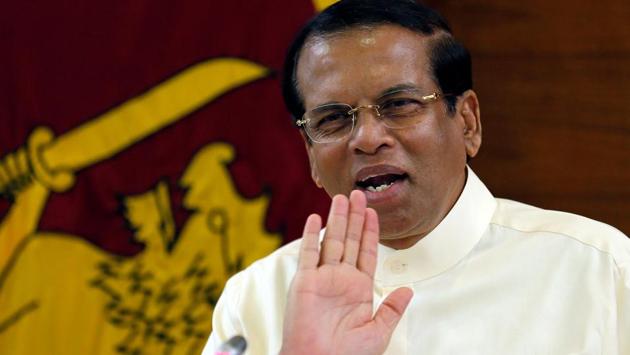
In this context, Sri Lankan President Maithripala Sirisena has made the bureaucracy accountable by firing his defence secretary and police chief for the Easter Day massacre by the Islamic State inspired National Towheeth Jamaath (NTJ) terrorist group.
To be sure, the communication failure between Sirisena and the country’s Prime Minister Ranil Wickremesinghe also contributed to the lack of response from the state despite actionable intelligence. The political blame definitely rests with the former as national security powers are centralized under the head of state. Apart from the multiple alerts based on operational grade intelligence sent by India warning of impending attacks to Sri Lanka, New Delhi sent one of its senior most intelligence officers to Colombo to drive home the seriousness of the threat. The post-attack CCTV footage with Islamic bombers carrying military grade explosives in their back-packs into luxury hotels and churches without any security checks makes it quite evident that alerts were either swept under the bureaucratic carpet or not acted upon.
In some ways, the Easter Day attacks and the 26/11 Mumbai massacre have a lot of similarities in the context of intelligence alerts and national security response but stand in sharp contrast over accountability. There was a specific intelligence alert from US intelligence about the intruding Lashkar-e-Tayyeba (LeT) ship from Karachi, which was duly disseminated to the Indian Navy and Coast Guard. The Mumbai Police had been warned at the highest level about the impending attack and possible modus operandi of the jihadis. But the Indian Navy did not find the intelligence actionable enough and the Mumbai police believed, after the attacks started, that it was witnessing gang warfare, not a terror attack. This is no different from the Sri Lankan Army and Police which believed that the only threat to the Island nation was from Tamil separatists and not self-radicalized jihadis who have been growing in numbers since the rise of ISIS in 2014. The result was that 166 innocents were gunned down in 26/11 and we are still counting the dead in the April 21 bombings.
{{/usCountry}}In some ways, the Easter Day attacks and the 26/11 Mumbai massacre have a lot of similarities in the context of intelligence alerts and national security response but stand in sharp contrast over accountability. There was a specific intelligence alert from US intelligence about the intruding Lashkar-e-Tayyeba (LeT) ship from Karachi, which was duly disseminated to the Indian Navy and Coast Guard. The Mumbai Police had been warned at the highest level about the impending attack and possible modus operandi of the jihadis. But the Indian Navy did not find the intelligence actionable enough and the Mumbai police believed, after the attacks started, that it was witnessing gang warfare, not a terror attack. This is no different from the Sri Lankan Army and Police which believed that the only threat to the Island nation was from Tamil separatists and not self-radicalized jihadis who have been growing in numbers since the rise of ISIS in 2014. The result was that 166 innocents were gunned down in 26/11 and we are still counting the dead in the April 21 bombings.
{{/usCountry}}To say that the Easter Day attack was a retaliation of March 21 Christchurch Mosque attack is rather simplistic as India had picked up plans of a possible attack in Sri Lanka way back in December 2018. Christchurch may have been only been the trigger. However, unlike India, Colombo has made the bureaucracy accountable and has sent a strong message down the ranks that incompetence won’t be tolerated. Barring Mumbai police commissioner and the home minister of day, none of the actual recipients of the actual operational intelligence were held accountable for the humongous fiasco that 26/11 was. While many experts will argue that the action of the Sri Lankan President will lower the morale of the troops, the counter is that just as there should be zero tolerance to terror, there should be none of bureaucratic incompetence.
The Easter Day attacks and their response highlight a crying need for bureaucratic reform in countries across the sub-continent, where seniority is still confused with merit. This is also due to poor human resource assessment filters with nearly all bureaucrats having outstanding annual confidential records.
For last mile delivery whether it is on the platform of governance or internal security or diplomacy, the bureaucracy must be made as accountable as the political leaders of the day. Events such as the Easter Day or 26/11 are also indicators of the government’s response to crisis like any natural calamity. The old World War II British architecture, which was not even rooted in the prevailing sub-continent eco-system, should give way to more accountable governance keeping in mind the local facts on ground. Else, even the best of actionable intelligence will fail.