
 E-Paper



World Health Day: Where the mind is without fear
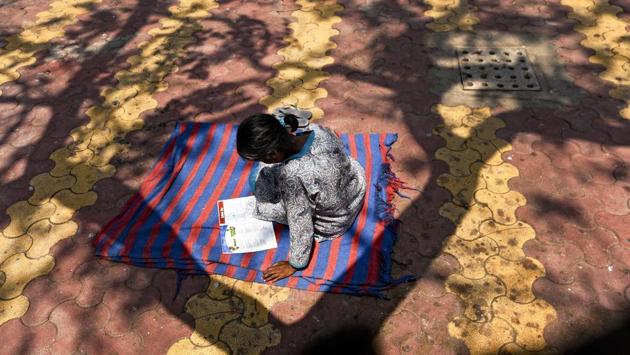
Anurima, 53, (name and age changed) made headlines when she was found to have been living with the corpse of her mother for several months, in her upscale home in Saket, south Delhi. That was in 2010. At IBHAS, she was diagnosed with paranoid schizophrenia, which had led her into the delusion that her mother was alive. It took several weeks of counselling to convince her that he mother had died. She’s on medication but not in need of hospitalisation. She’s here because she has nowhere else to go. “I like it here. I washed my hair, had idli and upma for breakfast and spent my morning in the gym. I’m also learning how to use the computer again,” she says. Next on her agenda: a session with the kitchen staff, with culinary tips on how to spice up their menu. The outpatient department at the Institute of Human Behaviour and Allied Sciences (IHBAS) in treats more than 900 people every day. Some, however, end up staying here for months, even years — either because they have no home to go back to, or are not wanted back by their families. (Ravi Choudhary/HT Photo)
Updated on: Apr 7, 2017 8:48 AM IST


Share via


Copy link

1/9
 View Photos in a new improved layout
Updated on Apr 7, 2017 8:48 AM
Anurima, 53, (name and age changed) made headlines when she was found to have been living with the corpse of her mother for several months, in her upscale home in Saket, south Delhi. That was in 2010. At IBHAS, she was diagnosed with paranoid schizophrenia, which had led her into the delusion that her mother was alive. It took several weeks of counselling to convince her that he mother had died. She’s on medication but not in need of hospitalisation. She’s here because she has nowhere else to go. “I like it here. I washed my hair, had idli and upma for breakfast and spent my morning in the gym. I’m also learning how to use the computer again,” she says. Next on her agenda: a session with the kitchen staff, with culinary tips on how to spice up their menu. The outpatient department at the Institute of Human Behaviour and Allied Sciences (IHBAS) in treats more than 900 people every day. Some, however, end up staying here for months, even years — either because they have no home to go back to, or are not wanted back by their families. (Ravi Choudhary/HT Photo)
2/9
 View Photos in a new improved layout
Updated on Apr 7, 2017 8:48 AM
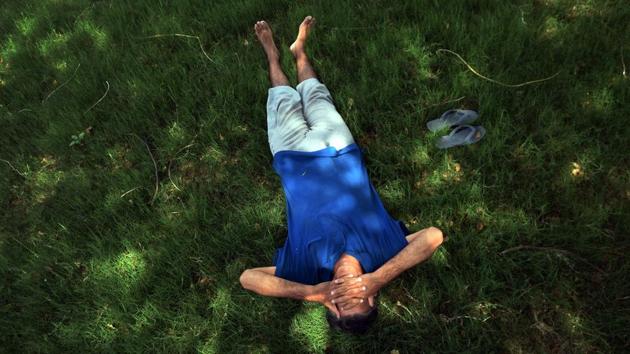
48-year-old Susheel, (name and age changed) believes he can hear the voice of God. “I had an astrology business in Gurgaon but had to leave home after they found gold under my house,” says Susheel. “I would like to go back home but my family has gone back to our ancestorial village, so I don’t know where to go,” he says a little dejectedly. (Ravi Choudhary/HT Photo)
3/9
 View Photos in a new improved layout
Updated on Apr 7, 2017 8:48 AM
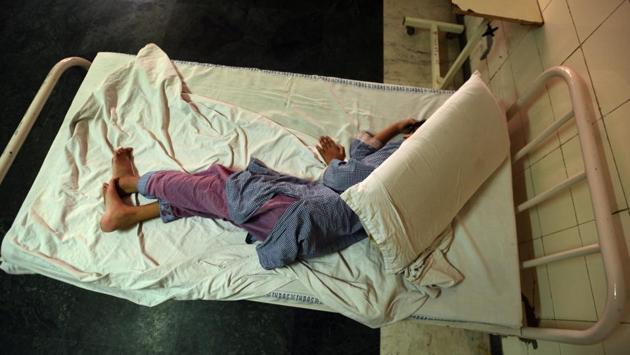
The IBHAS wards are no different from the wards at general hospitals, except there are guards at the main door to prevent patients from leaving. Patients, however, are free to wander in the garden, dining area and other semi-open wards. To encourage families to visit and spend time with the patients, visiting hours haven been extended from 8 am to 8 pm. In a unique initiative, the hospital has started a 50-bed halfway home on the hospital campus, where residents can learn some skills and work their way back into society. (Ravi Choudhary/HT Photo)
4/9
 View Photos in a new improved layout
Updated on Apr 7, 2017 8:48 AM
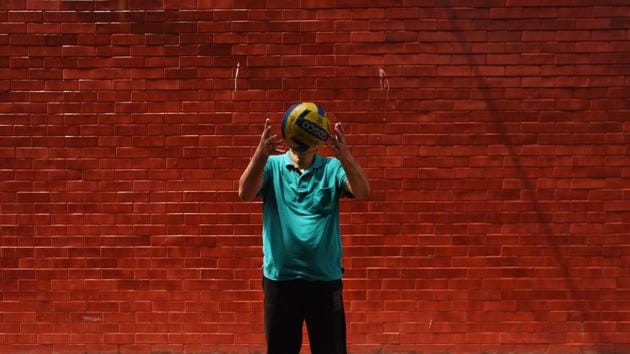
Damodar says he’s 48 (name and age changed) and a friend of cricketer Kapil Dev. “He’s watched me play and knows that, like him, I’m the fastest bowler in the world,” he says wagging a bandaged finger that he says he hurt during a cricket match. How can both be the fastest? “We just are, same speed,” he says. “I’ve seen all his matches and like the World Cup the bets and one day I will play with him because I’ve really been working on my skills,” says Damodar, before scurrying away to the dining room at the sound of the lunch bell. (Ravi Choudhary/HT Photo)
5/9
 View Photos in a new improved layout
Updated on Apr 7, 2017 8:48 AM
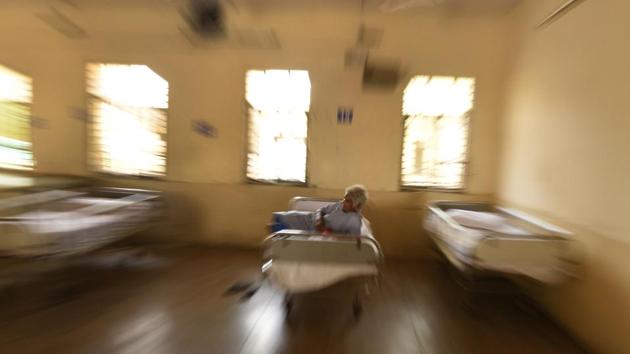
Even before India’s mental health-care bill proposed empowering people with mental illness to have more say in their own treatment, patient-enabling reforms began at IBHAS, formally known as Shahdara Mental Hospital (Ravi Choudhary/HT Photo)
6/9
 View Photos in a new improved layout
Updated on Apr 7, 2017 8:48 AM
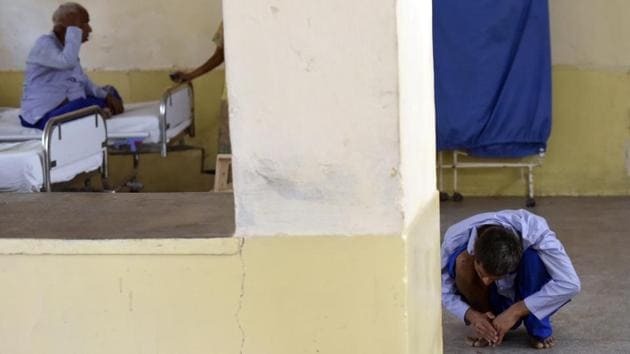
Once treated, most people remember bits of their past, their home, their families and want to go back. The psychiatric workers here put in a lot of effort to piece together their memory and take them home as recovery improves in familiar surroundings, said Dr Nimesh Desai, director, IBHAS. (Ravi Choudhary/HT Photo)
7/9
 View Photos in a new improved layout
Updated on Apr 7, 2017 8:48 AM
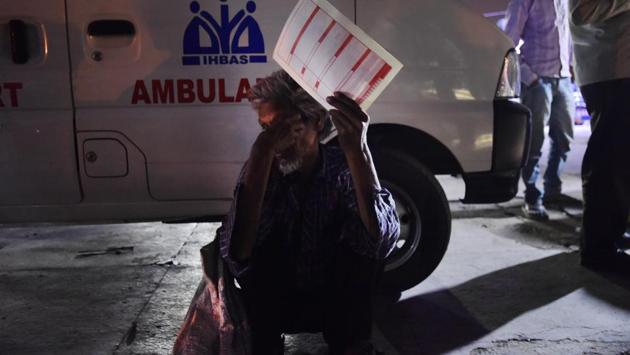
People wait for hours each Monday evening (6-8 pm) for the Mobile Mental Health Unit that provides free medical services and medicine for psychiatric illnesses to the homeless at Urdu Park outside Jama Masjid in Central Delhi. “The idea is to provide a continuum of care that includes pre-hospital services to identify and treat illness in among the homeless who, along with people who abuse alcohol and drugs, are at high risk of mental illnesses,” says Dr Desai. (Ravi Choudhary/HT Photo)
8/9
 View Photos in a new improved layout
Updated on Apr 7, 2017 8:48 AM
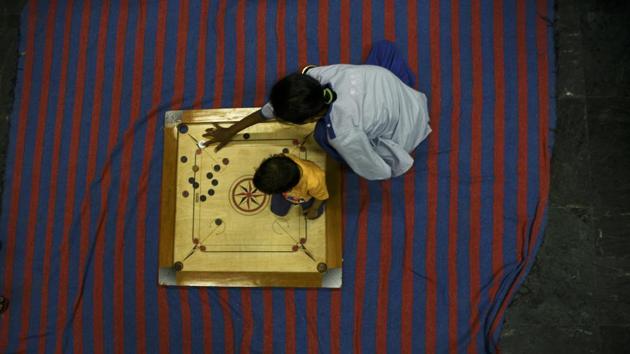
Malati, 22, and her two year old son Madhav (names and ages changed) are among the many Court-referred destitute and mentally-ill mothers sent to IBHAS for treatment. To ensure the mother and child are not separated – children are usually sent to foster homes -- IBHAS has set up a six-bed Mother and Child Care Unit, where the child can live with the mother throughout her treatment. Since Malati and seizures and behavioural problems, a nurse attendant is always at to help her look after her son. (Ravi Choudhary/HT Photo)
9/9
 View Photos in a new improved layout
Updated on Apr 7, 2017 8:48 AM


