
 E-Paper



Photos: In diptychs, the journey of coal from the power plant to the body
The Coal Within: Photographer Ruhani Kaur sets out to map the journey of coal from the power plant to the human body in villages that border Uttar Pradesh and Madhya Pradesh. In spite of a two-year notification, the deadline of December 7, 2017- set by the Supreme Court for thermal power plants across India to reduce their emission of PM, SO2 and NOx pollutants below specified limits, has been missed. 95% of the new power plant projects that have got the green signal don’t have treatment devices like flue gas desulphurisation (FGD) units and selective catalytic reduction (SCR) units to limit pollution.
Updated on: Aug 02, 2018 9:28 AM IST

Share via


Copy link

1/11
 View Photos in a new improved layout
Updated on Aug 02, 2018 9:28 AM
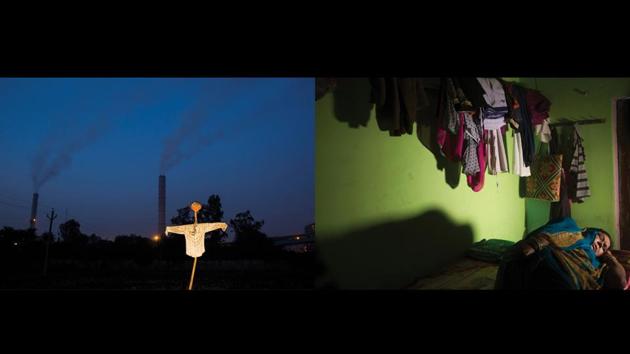
Left: Anpara Thermal Power Plant, Right: Rajkumar Devi. Living next to three smoky chimneys of the Anpara Thermal Power Plant,50-year-old Rajkumar Devi connects the dots that led her to her ills. “See, I got blood cancer right from the time the plant started coming up. I spend Rs. 9000 for 30 tablets from PGI every month.” (Ruhani Kaur)
2/11
 View Photos in a new improved layout
Updated on Aug 02, 2018 9:28 AM
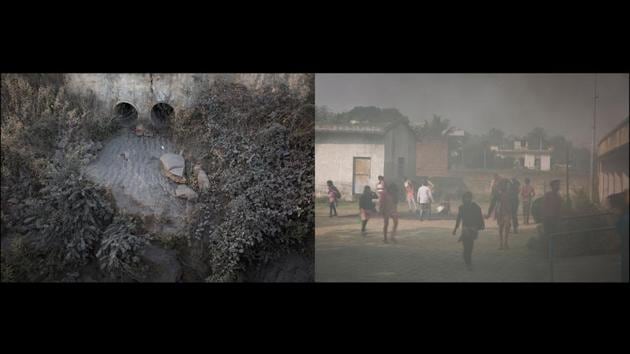
Left: Ash near Jayant Mines, Right: Government school, Anpara. The day starts for the government school beside Rajkumar Devi’s house with a thorough sweep and sprinkle, but the black soot remains settled deep within the cracks of the floors. In summer, the coal-dust storms often turn day into night, even as the teachers and children tie their scarves tightly around their faces while singing the national anthem. (Ruhani Kaur)
3/11
 View Photos in a new improved layout
Updated on Aug 02, 2018 9:28 AM
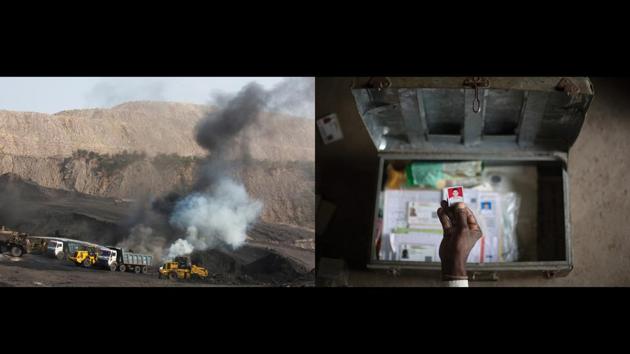
Left: Jayant Open Cast Mines, Right: A picture of Raju, who died of a stomach ailment in Gariya. Jagat Narayan Viswakarma, a petitioner in the National Green Tribunal's case in 2013 against the Union Government of India for pollution in the area, estimates that about 500 deaths occur every year here. Rarely, though, if ever, is the cause of death ascribed to heavy metal contamination. (Ruhani Kaur)
4/11
 View Photos in a new improved layout
Updated on Aug 02, 2018 9:28 AM
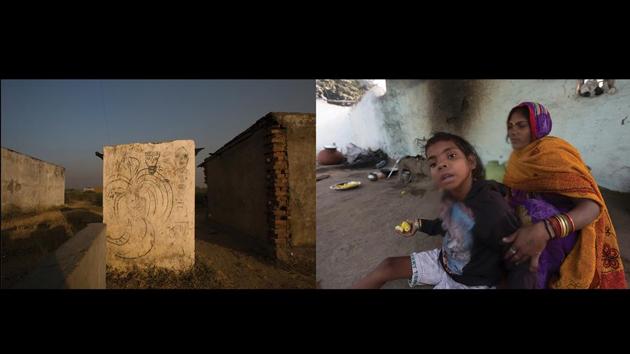
Left: A mural, Amroli Reliance Rehabilitation Colony, Right: A mine labourer’s daughter with a mental disability, Chilkadand. A study conducted in 2012 by Delhi’s Centre for Science and Environment (CSE) confirmed that fluoride, mercury and arsenic were all higher than the permissible limits in most water, soil and fish samples tested. It also revealed that over 84% of the blood samples of the local population contained mercury above the safe level. (Ruhani Kaur)
5/11
 View Photos in a new improved layout
Updated on Aug 02, 2018 9:28 AM
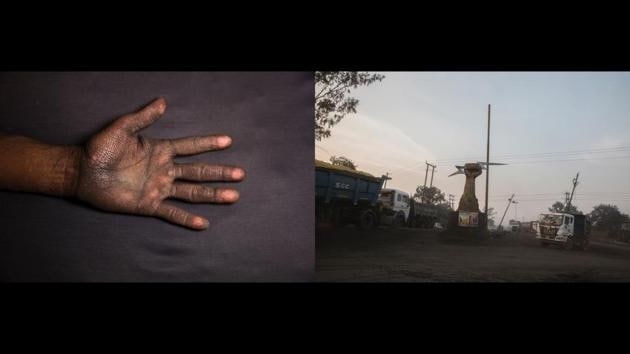
Left: Vimlesh Sawhney’s hand, Chilkadand, Right: Company logo bearing a fist at the coal truck depot of NCL Jayant Coal Mines. “Look what my hands have become! When I come home after driving, I wash my hands repeatedly but within minutes, they’re the same. All of us who work in the mines cough constantly. Whatever I’m earning goes into medicines anyway. My future? When my body stops delivering, no company will keep us” — Vimlesh Sawhney, 40, open-cast mine driver. (Ruhani Kaur)
6/11
 View Photos in a new improved layout
Updated on Aug 02, 2018 9:28 AM
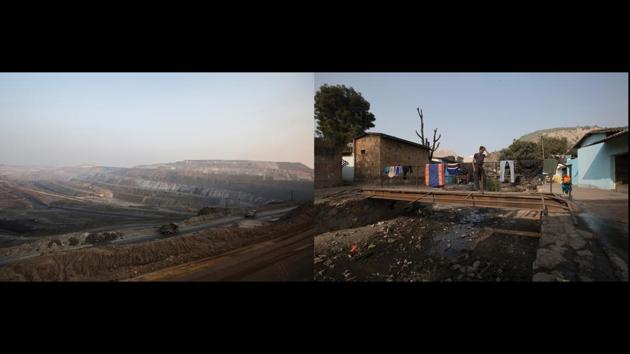
Left: An overview of Jayant Mines, Right: Vimlesh Sawhney, Chilkadand. “Burnt coal emits so much gas, sometimes it feels like my body itself will catch fire. When the dump spills into our cabin, the glass breaks and our heads get smashed. After some basic first-aid, the company just asks us to go. After sucking our blood, the company says go, you are of no use to us now” — Vimlesh Sawhney, 40, open-cast mine driver, Chilkadand. (Ruhani Kaur)
7/11
 View Photos in a new improved layout
Updated on Aug 02, 2018 9:28 AM
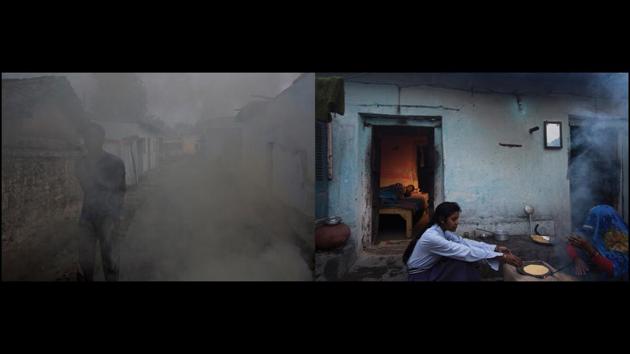
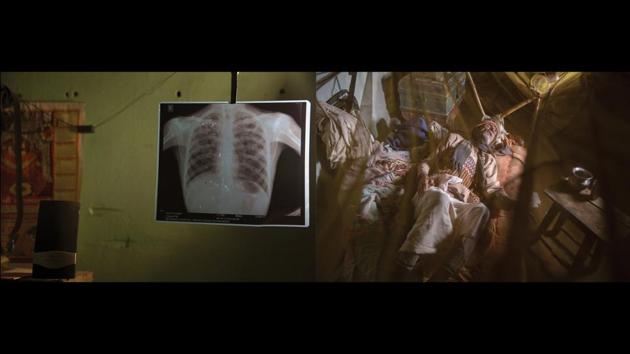
Left: Ovens (angeethis) in Chilkadand, Right: Rohit Kumar. “My father died of tuberculosis in 2014. In 2015, I contracted it,” says 17-year-old Rohit Kumar who is living out his father’s destiny. In desperation, his mother Sukhraj Devi would collect loose coal at night which she'd sell in order to pay for her husband's treatment. After his death, she travelled for Rohit’s treatment from Ashram, Badwahi and Renusagar to NTPC, Anpara and Buxar - but Rohit still remains bed-ridden. (Ruhani Kaur)
8/11
 View Photos in a new improved layout
Updated on Aug 02, 2018 9:28 AM
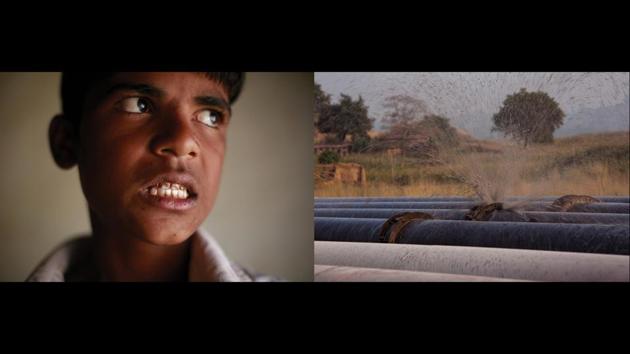
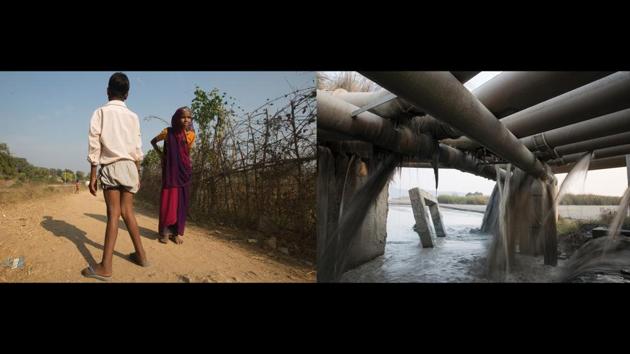
Left: Vishal, 8, fluoride patient, Bichhi, Gariya, Right: Ash pipeline leak. Ash slurry from the Belvadah Ash pond, disposed of by NTPC Shaktinagar and Vidhyachal Thermal Power Plants, overflows into the Rihand dam. Even the committee constituted to look into the NGT case, chaired by AB Akolkar, Member Secretary of the Central Pollution Control Board (CPCB), shared its concern over the contamination of the Rihand river - the main water source there. (Ruhani Kaur)
9/11
 View Photos in a new improved layout
Updated on Aug 02, 2018 9:28 AM
Left: Laleram Yadav’s wife and son, Right: Ash slurry. “We realize that this is all happening due to water - it is the fluoride that is polluting us. They tell us not to drink from the well, not to drink from the hand pump. So where should we drink water from? My whole family, our two kids have become handicapped. Our bodies have no life, no strength, no power at all” — Laleram Yadav, Gariah, 10 kms away from the Anpara Thermal Power Plant. (Ruhani Kaur)
10/11
 View Photos in a new improved layout
Updated on Aug 02, 2018 9:28 AM
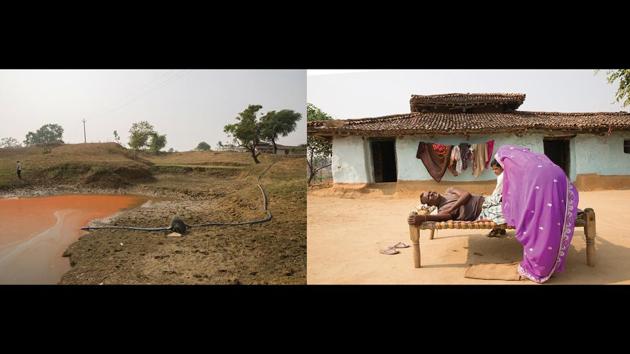
Left: Red lake, Pipragaon Nayi Basti, Right: Vijay Kumar Sharma, a resident there. The red, stagnant lake at Pipragaon Nayi Basti, 20 kms from the Obra Thermal Power Plant, tested positive for pollutants with far higher-than-permissible limits. Lying in the direct direction of the wind blowing from the plant, the lake stands testimony to the continual passage of arsenic, mercury and fluoride in the air. For bedridden patients of the Basti like Vijay Kumar and Vindhyanchal, hope too lies forgotten. (Ruhani Kaur)
11/11
 View Photos in a new improved layout
Updated on Aug 02, 2018 9:28 AM


