
 E-Paper



Photos: Old Delhi’s Haksar ki Haveli where Nehru married, now a heap of rubble
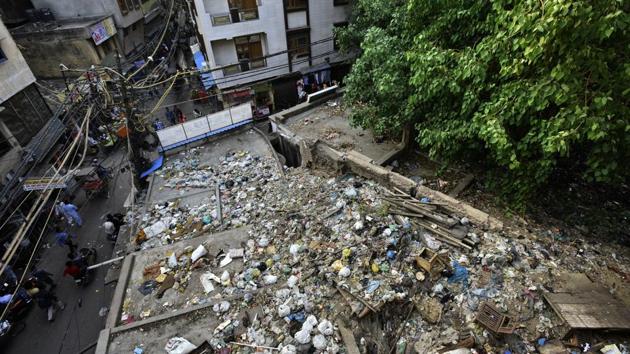
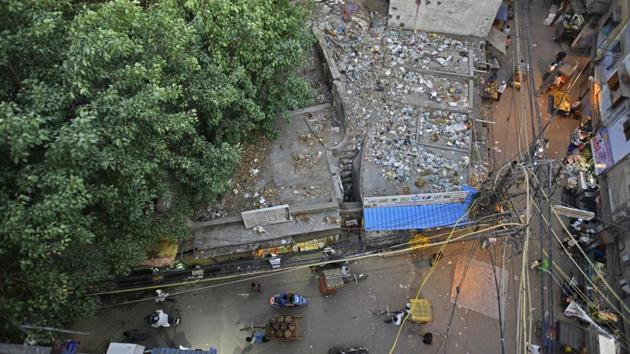
Haksar ki Haveli, a centuries-old heritage building in Old Delhi where India’s first Prime Minister Jawaharlal Nehru got married to Kamala Nehru, may be on verge of being destroyed. Years of dispute, neglect and abandonment have turned what was once a typical Shahjahanbad mansion, into a crumbling heap of rubble strewn with garbage. The Delhi High Court recently issued directions to conduct a survey of the property after a petitioner approached it alleging that builders were destroying the haveli to construct a multi-storey building in its place.
Updated on: Apr 10, 2018 11:36 AM IST

Share via


Copy link

1/7
 View Photos in a new improved layout
Updated on Apr 10, 2018 11:36 AM
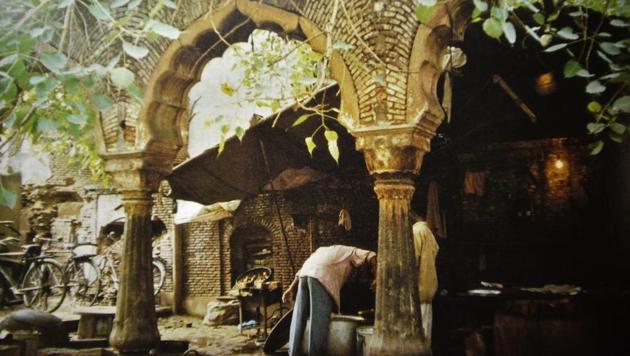
An undated picture of Haksar ki Haveli published in ‘Delhi — The Emperor’s City, Rediscovering Chandni Chowk and its Environs’, authored by Union minister Vijay Goel. Sarup Narain ki Haveli, as it was known in the early 19th century, was originally a three-storeyed structure located at the end of Sadak Prem Narain Bazaar – intersection of Churiwalan and Bazaar Sita Ram, and the abode of one of the locality’s distinguished Kashmiri pandit families. (Roli Books)
2/7
 View Photos in a new improved layout
Updated on Apr 10, 2018 11:36 AM
Continuous dumping of trash and the uncontrolled growth of Peepal trees has rendered a structure that once served as a venue for Jawaharlal Nehru’s marriage to Kamala in 1916, resembling a heap of rubble encased by dilapidated walls. (Anushree Fadnavis / HT Photo)
3/7
 View Photos in a new improved layout
Updated on Apr 10, 2018 11:36 AM
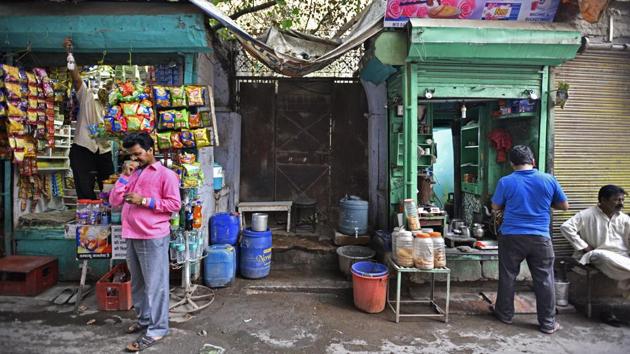
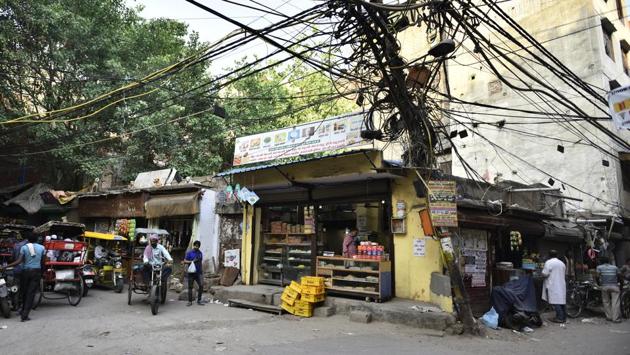
A view of the haveli’s entrance shows its once imposing gate replaced today with a rusting iron-sheet door. The two sides of the haveli, which open into the market’s lanes, now have a row of shops selling sweets and tea, a salon, and two grocery stores. (Anushree Fadnavis / HT Photo)
4/7
 View Photos in a new improved layout
Updated on Apr 10, 2018 11:36 AM
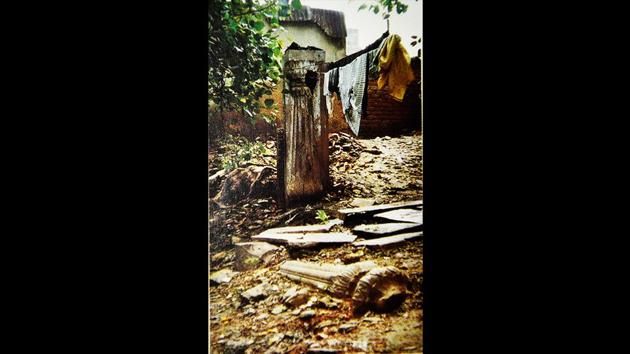
The ruins of the mansion seen in ‘Delhi - The Emperor’s City, Rediscovering Chandni Chowk and its Environs’. The haveli once had all the distinct features associated with traditional Shahjahanabad mansions such as a large hall, a courtyard, a tehkhana (cellar), jharokhas (overhanging enclosed balconies), arched gateways, and main entrance decorated with motifs, and fluted columns. (Roli Books)
5/7
 View Photos in a new improved layout
Updated on Apr 10, 2018 11:36 AM
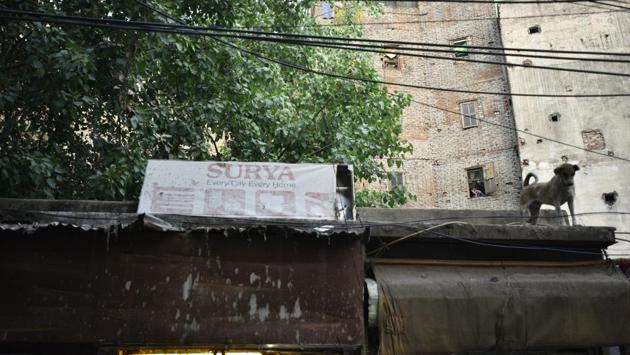
After staying unused for decades, a major portion of walls, arches, columns, and gateways collapsed and today, none of its distinctive features are visible. Last week, the Delhi High Court issued directions for a survey of the property after a petitioner -- Kusum Sehgal-- approached it alleging that builders were “destroying” the haveli to construct a multi-storey building in its spot. (Anushree Fadnavis / HT Photo)
6/7
 View Photos in a new improved layout
Updated on Apr 10, 2018 11:36 AM
SK Jain, 64, who runs a grocery store near the haveli says that till the 1960-70s, an elderly couple resided here. Later, a trust bought the property, seeking to develop it as a hospital. “Later, we heard rumours that the trustees had some internal dispute and the hospital plans never materialised. Since then, the mansion has been lying abandoned,” he said. (Anushree Fadnavis / HT Photo)
7/7
 View Photos in a new improved layout
Updated on Apr 10, 2018 11:36 AM


