
 E-Paper



Photos | South Club and tennis: Still love-all at 100
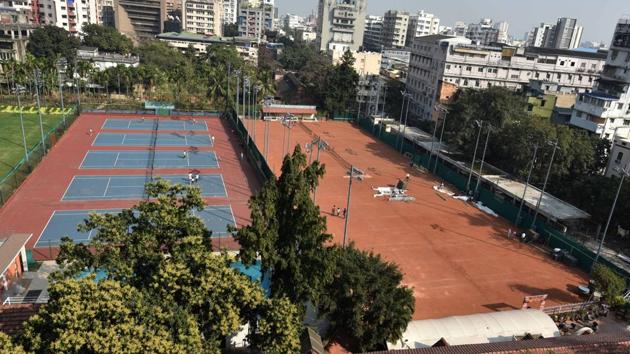
Once the center of tennis in India, Kolkata’s famous South club is no longer the preferred choice for Davis Cup. But love for the game lives on. Called the Calcutta South Club because a Calcutta North Club existed, the single-storey club house with its red tiled sloping roof is an anachronism in a posh south Kolkata locality of high-rises, high-end stores, a mall and a college. Of the 15 Davis Cup ties the club has hosted, only two, including last year’s World Group tie against Italy, have been held since 2003. Grass is no longer the preferred surface for Indians.
Updated on: Feb 15, 2020 6:16 PM IST


Share via


Copy link

1/10
 View Photos in a new improved layout
Updated on Feb 15, 2020 6:16 PM
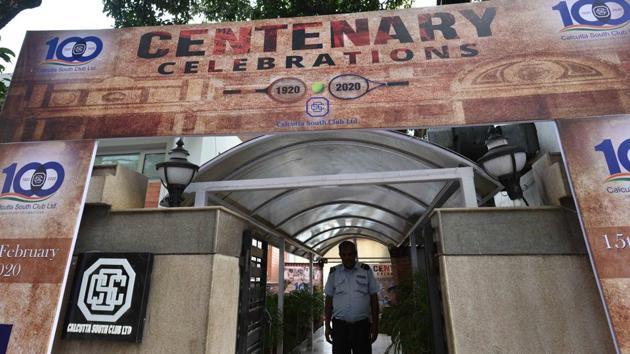
A view of the Calcutta South Club on the eve of centenary celebrations, in Kolkata. Called the Calcutta South Club because a Calcutta North Club existed, the single-storey club house with its red tiled sloping roof is an anachronism in a posh south Kolkata locality of high-rises, high-end stores, a mall and a college. (Samir Jana / HT Photo)
2/10
 View Photos in a new improved layout
Updated on Feb 15, 2020 6:16 PM
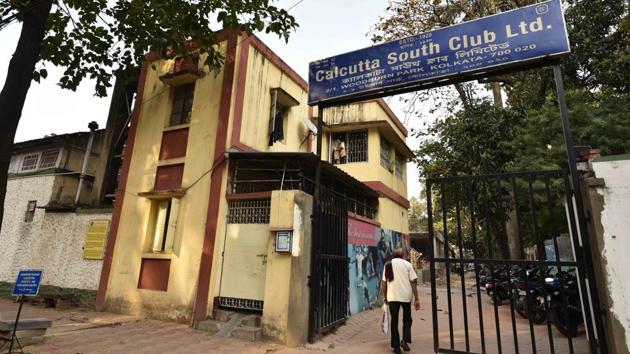
“It was 1918 or 1919 when two Bengalis were cycling past the Woodburn Park when they saw a game of tennis. They inquired if they could play. They were told they couldn’t because the matches were being organised by the Punjab Club. These gentlemen were Ganesh Dey and Anadi Mukherjee, two of the founders of the South Club; Aukhoy Dey was the third,” said Jaidip Mukerjea, the club’s president. (Samir Jana / HT Photo)
3/10
 View Photos in a new improved layout
Updated on Feb 15, 2020 6:16 PM
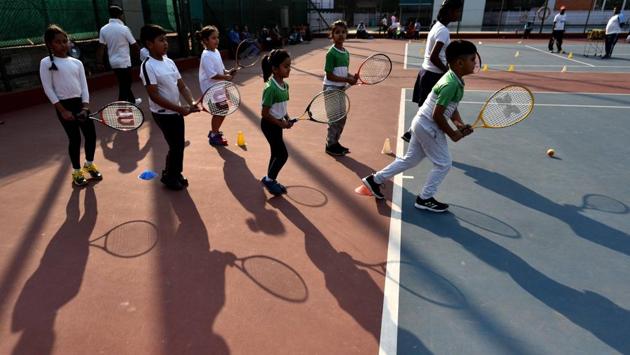
Children are seen training inside the Calcutta South Club on the eve of centenary celebrations.“The South Club is as much a heritage institution as the Eden Gardens. Places of pilgrimage,” says Raju Mukherji, the former Bengal and East Zone cricket captain and author of ‘Eden Gardens Legend and Romance.’ “South Club members were affluent people who back in the day would be called the gin-and-tonic brigade,” he says. (Samir Jana / HT Photo)
4/10
 View Photos in a new improved layout
Updated on Feb 15, 2020 6:16 PM
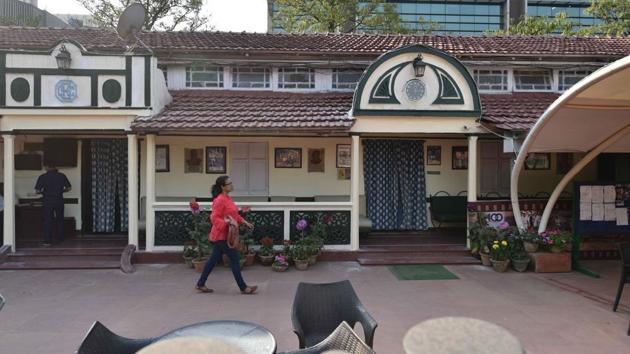
A view of the Calcutta South Club. “Dey and Mukherjee spoke to JM Sengupta, later mayor of Calcutta and club vice-president, who helped lease land for two courts in the same park. That is how it started. Soon, the British started coming here,” says Mukerjea, whose first tennis lessons were at the club in 1953 when he was 11. (Samir Jana / HT Photo)
5/10
 View Photos in a new improved layout
Updated on Feb 15, 2020 6:16 PM
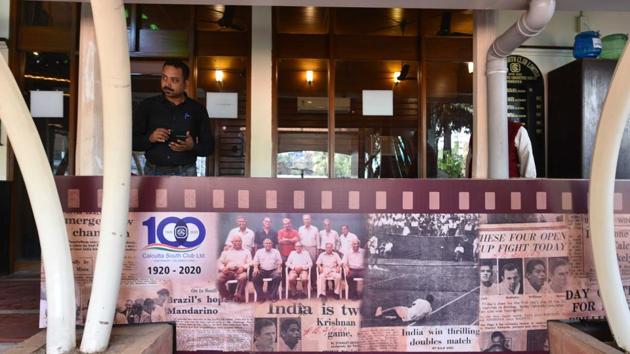
A billboard seen inside the Calcutta South Club on the eve of centenary celebrations. “Entry to all bars and dining rooms wearing sandals and sports shoes are not permitted,” reads a rule on a board near the entrance. Dhoti and kurta is allowed but wearing a kurta with pyjamas or trousers would be a sartorial double-fault. (Samir Jana / HT Photo)
6/10
 View Photos in a new improved layout
Updated on Feb 15, 2020 6:16 PM
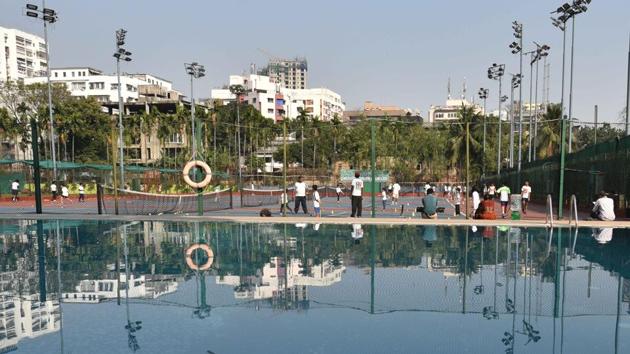
On its courts, film star Uttam Kumar and Nobel laureate Abhijit Vinayak Banerjee have played. There are five hard courts, six clay courts and six grass courts. “There aren’t too many clubs in the world that has all the surfaces,” says Mukerjea. Till 2012, the club had 12 grass courts including the showpiece Centre Court which was praised by Bill Tilden, the first from the USA to win Wimbledon. (Samir Jana / HT Photo)
7/10
 View Photos in a new improved layout
Updated on Feb 15, 2020 6:16 PM
Tilden was among the rush of top players who made South Club part of their itinerary. A France team led by former world No. 1 Henri Cochet visited in 1929. Roy Emerson, Frank Sedgman, Jack Kramer’s professionals, Bunny Austin, Bob Hewitt, Fred Stolle, Nikki Pilic, Alex Metreveli, Manuel Santana, Illie Nastase, Tony Trabert, among others, have played at the club. (Samir Jana / HT Photo)
8/10
 View Photos in a new improved layout
Updated on Feb 15, 2020 6:16 PM
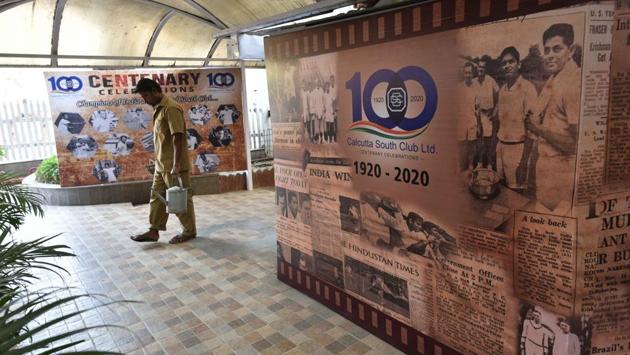
In 1972, Mishra’s son Gaurav beat Krishnan at the club making them the first father-son pair to win the national championship. The Krishnans emulated them when Ramesh Krishnan won his first national title, also at South Club, in 1977. With grass being India’s favoured surface, South Club was the preferred Davis Cup destination. So, India hosted Brazil here on December 4-6, 1966. (Samir Jana / HT Photo)
9/10
 View Photos in a new improved layout
Updated on Feb 15, 2020 6:16 PM
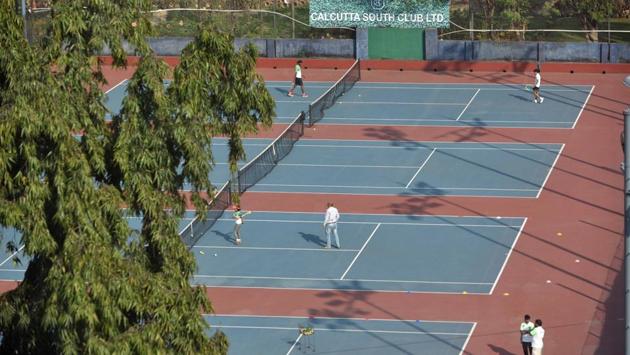
“The Swiss had reached the Davis Cup final the previous year. They had won the doubles title at Roland Garros and Rosset won the 1992 Olympics singles title. So, they were overwhelming favourites. The tie hinged on one point in the second set tie-breaker when Leander made a spectacular return… This win gave us a right to play France at Frejus and we had a spectacular win there too. We won two deciding rubbers against more fancied opponents,” says Ramesh. (Samir Jana / HT Photo)
10/10
 View Photos in a new improved layout
Updated on Feb 15, 2020 6:16 PM


