
 E-Paper



Photos: Babylon, world wonder and jewel of Iraq’s national narrative
UNESCO's World Heritage Committee voted in Baku on Friday to list the sprawling Mesopotamian metropolis of Babylon as a World Heritage Site after three decades of lobbying efforts by Iraq. The 4,300-year-old Babylon -- now mainly an archaeological ruin and two important museums -- is where dynasties have risen and have fallen here since the earliest days of settled human civilization.
Updated on: Jul 09, 2019 12:18 PM IST

Share via


Copy link

1/7
 View Photos in a new improved layout
Updated on Jul 09, 2019 12:18 PM
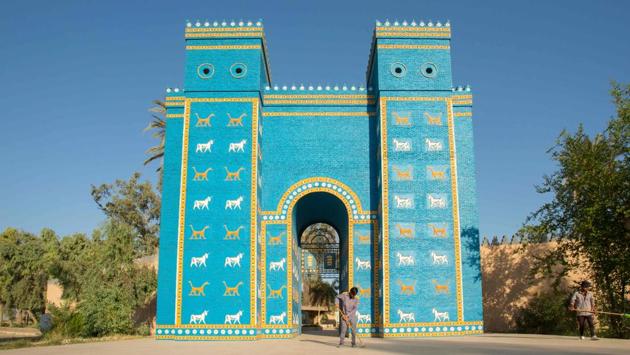
The Ishtar Gate at the ancient archaeological site of Babylon, south of the Iraqi capital Baghdad. The World Heritage Committee met on Friday in Azerbaijan’s capital of Baku and voted to include Babylon on the prestigious list, a rank Iraqi authorities had been lobbying since 1983 to reach. (Hussein FALEH / AFP)
2/7
 View Photos in a new improved layout
Updated on Jul 09, 2019 12:18 PM
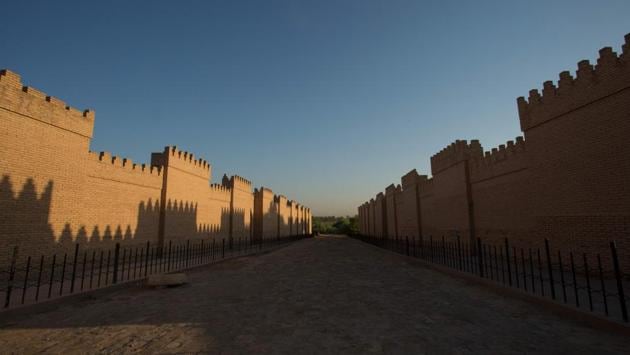
Iraq already had five sites recognised by UNESCO, including three that are also on the agency’s endangered list. Among them is Hatra, a city in Iraq’s northern Nineweh province dating back to the 2nd century BC that was damaged by the Islamic State group in 2014. After declaring victory against the jihadists in late 2017, Iraq is hoping to make a cultural comeback by drawing tourists to its 7,000 heritage sites but that will require massive government effort and funds. (Hussein FALEH / AFP)
3/7
 View Photos in a new improved layout
Updated on Jul 09, 2019 12:18 PM
Inside view of a former palace of deposed Iraqi dictator Saddam Hussein at the ancient archaeological site of Babylon. Babylon developed from a tiny Akkadian town along the Euphrates River in 2300 BC to the capital of the great Babylonian empire, straddling both sides of the mighty river’s banks. “It was the first city in the world where the religious temples and government palaces were kept separate,” says Qahtan al-Abeed, who led efforts to get the site listed by UNESCO. (Hussein FALEH / AFP)
4/7
 View Photos in a new improved layout
Updated on Jul 09, 2019 12:18 PM
The Ishtar Gate is one of Babylon’s eight entrances with bright blue bricks and reliefs of mythological animals. Many of these wonders were built under Nebuchadnezzar II, even as he destroyed the Temple of Jerusalem. Excavations began in the 19th century, and by the 20th, thousands of pieces had been carried in the suitcases of colonial archaeologists to Europe. (Hussein FALEH / AFP)
5/7
 View Photos in a new improved layout
Updated on Jul 09, 2019 12:18 PM
The Babel's Lion statue is seen at the ancient archaeological site of Babylon. It features in every textbook and is a favourite memory of generations of Iraqis who took school trips there. The 4,300-year-old Babylon -- now mainly an archaeological ruin and two important museums -- is where dynasties have risen and have fallen here since the earliest days of settled human civilization. (Hussein FALEH / AFP)
6/7
 View Photos in a new improved layout
Updated on Jul 09, 2019 12:18 PM
“It’s impossible to skip over Babylon in Iraq’s multimillennial national narrative,” says Geraldine Chatelard, a researcher at the French Institute of the Near East who consults Iraq’s government on heritage. UNESCO’s decision, she said, “is a prestigious recognition and good news for authorities who hope it will reinforce national pride”. (Hussein FALEH / AFP)
7/7
 View Photos in a new improved layout
Updated on Jul 09, 2019 12:18 PM


