
 E-Paper



Photos: From thugs to bakers, El Salvador’s ex-gang members seek peace
Former gang members in El Salvador often struggle to reintegrate into society, rejected by their families. For a dozen ex-gangsters, the Eben-Ezer evangelical church in the gang-ridden neighborhood of Dina in San Salvador, has been a lifeline offering food, accommodations, a spiritual second chance and employment at the Church’s bakery project.
Updated on: Dec 19, 2017 10:47 AM IST

Share via


Copy link

1/10
 View Photos in a new improved layout
Updated on Dec 19, 2017 10:47 AM
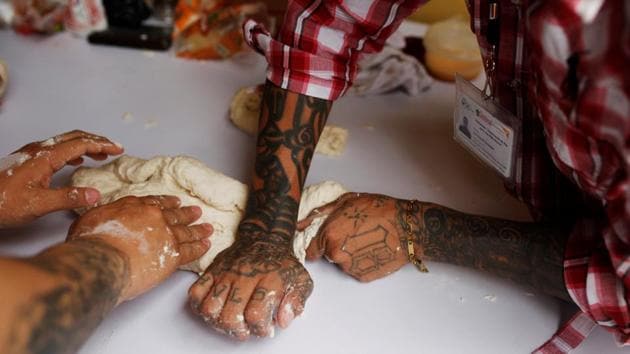
Gang life in the Central American country of El Salvador is hard and building a new life outside is no less difficult. Former gang members often struggle to find lodging and work, and may be rejected by their families. A bakery project by the Eben-Ezer evangelical church in San Salvador is turning out to be a second chance for a dozen ex-members of the feared 18th Street Gang. (Jose Cabezas / REUTERS)
2/10
 View Photos in a new improved layout
Updated on Dec 19, 2017 10:47 AM
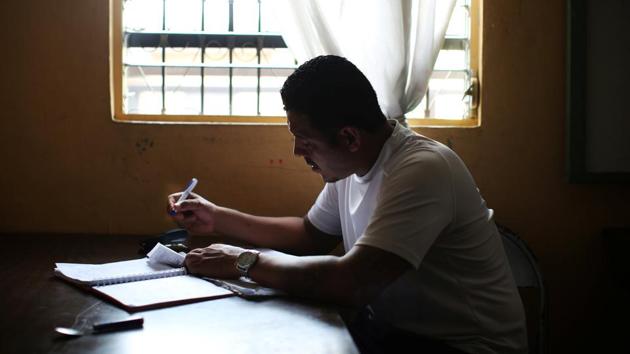
Wilfredo Gomez, 40, joined a gang as an adolescent in LA, enticed by guns, girls and the camaraderie of gang life. Jailed and deported back to El Salvador, he quickly returned to gang life. A 10-year jail sentence for stealing an Uzi gave him time to reckon with his choices. He now handles accounts for the bakery at the Eben Ezer church and is a member of the “Huellas de Esperanza” (Traces of Hope) ministry. (Jose Cabezas / REUTERS)
3/10
 View Photos in a new improved layout
Updated on Dec 19, 2017 10:47 AM
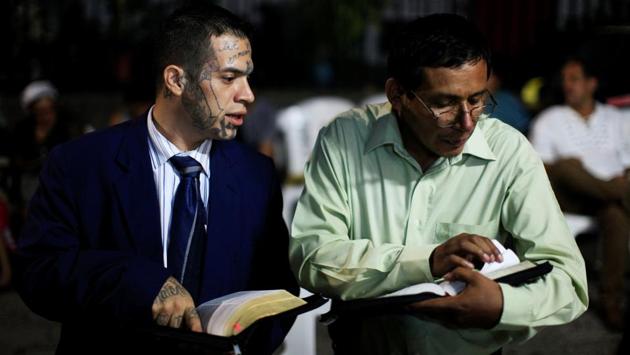
Julio Marroquin, (L), member of the Huellas de Esperanza ministry, participates in a religious service at the Eben-Ezer church in the gang-ridden Dina neighbourhood of San Salvador. Returning to civil society is arduous in the midst of the government’s militarized battle against the “maras,” which has led to claims of rights abuses and, according to police, an average daily tally of 16 dead. (Jose Cabezas / REUTERS)
4/10
 View Photos in a new improved layout
Updated on Dec 19, 2017 10:47 AM
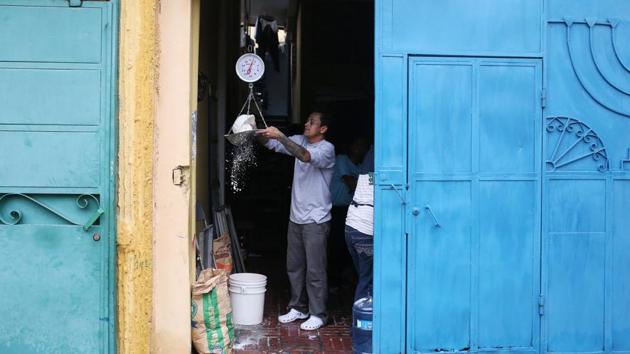
Roberto Renderos, weighs flour at their bakery ahead of the day’s work. Renderos and Gomez now run a bakery that employs other ex-gangsters. The church has been a lifeline to reforming gang members and has been a lifeline, also offering food, accommodations and spirituality. (Jose Cabezas / REUTERS)
5/10
 View Photos in a new improved layout
Updated on Dec 19, 2017 10:47 AM
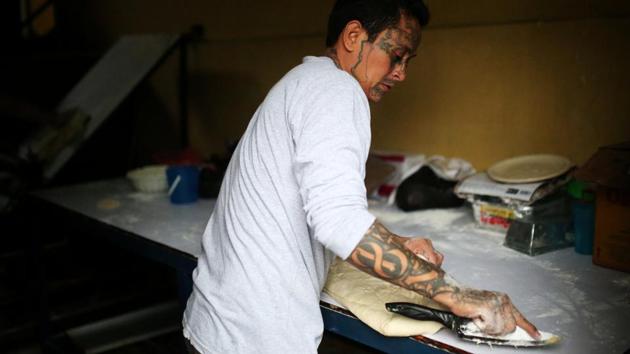
Roberto Renderos, portions out dough at their bakery in San Salvador. “I’ve only had losses being part of the gang,” Gomez said. “I haven’t won anything. I lost my youth, which was spent in jail. I lost my family due to my bad decisions...and I lost the best years of my life due to a pointless ideology.” “Now, my fun, my enjoyment, is to see them smile, to have dreams,” he added. (Jose Cabezas / REUTERS)
6/10
 View Photos in a new improved layout
Updated on Dec 19, 2017 10:47 AM
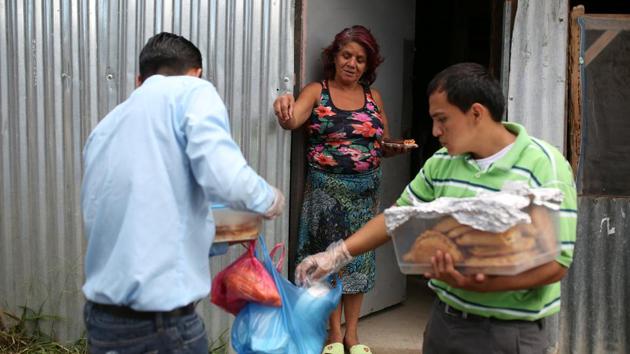
Renderos (L) and Joseph Ramirez of the Huellas de Esperanza ministry, sell their produce to local residents in their neighbourhood. Gomez says they aim to open a bigger bakery and one day run their own store to compete against Pizza Hut. (Jose Cabezas / REUTERS)
7/10
 View Photos in a new improved layout
Updated on Dec 19, 2017 10:47 AM
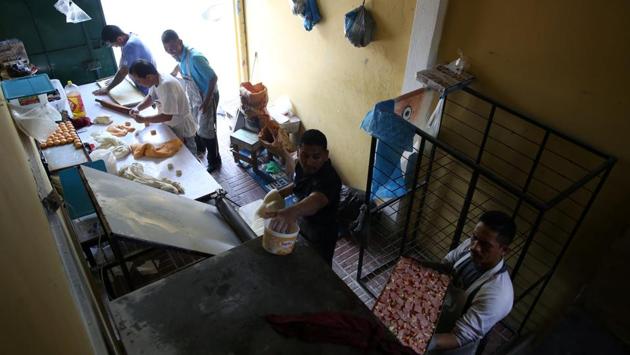
Members of the Huellas de Esperanza work the line in their bakery at the Eben Ezer church. Rejected by a society weary of violence, they nonetheless struggle to eradicate the stain of gang life. (Jose Cabezas / REUTERS)
8/10
 View Photos in a new improved layout
Updated on Dec 19, 2017 10:47 AM
Raul Valladares plays with his son at home in the Dina neighbourhood. He is part of a crew busy making the store a reality and works on the construction site near the bakery. Once known as “The Shadow,” he is undergoing a process to remove tattoos from his face and arms. This has brought death threats from former gang associates because removing gang insignia is punishable by death. (Jose Cabezas / REUTERS)
9/10
 View Photos in a new improved layout
Updated on Dec 19, 2017 10:47 AM
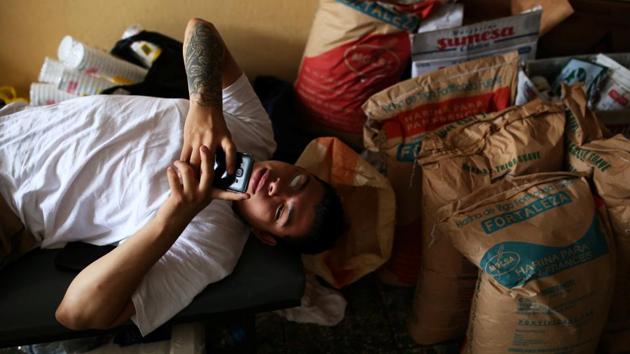
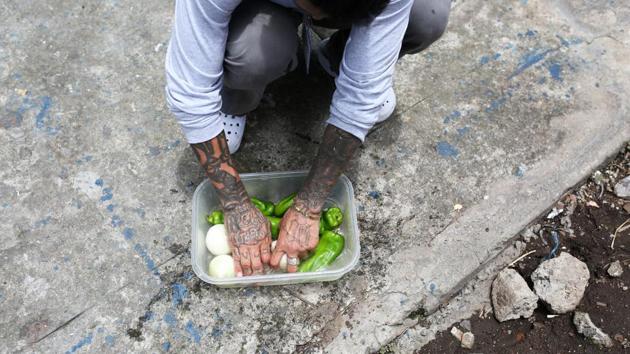
A member rests at the bakery at the Dina neighbourhood. In October, police went to the bakery and stripped the employees to expose their gang tattoos. They were arrested on suspicion of illicit association, a crime that carries a 5-year sentence. A week later, they were released without charges. (Jose Cabezas / REUTERS)
10/10
 View Photos in a new improved layout
Updated on Dec 19, 2017 10:47 AM


