E-Paper



Bengaluru real estate: Landlords start compromising on rents as city sees new supply, more rental options
Real estate brokers anticipate a major rental correction in 2025—close to about 5%- 10% across prime areas in the city.

 Prefer HTon Google


With more inventory available for rent in the Bengaluru real estate market's residential segment, landlords have started reducing rents by 5% to 10% in city centres.
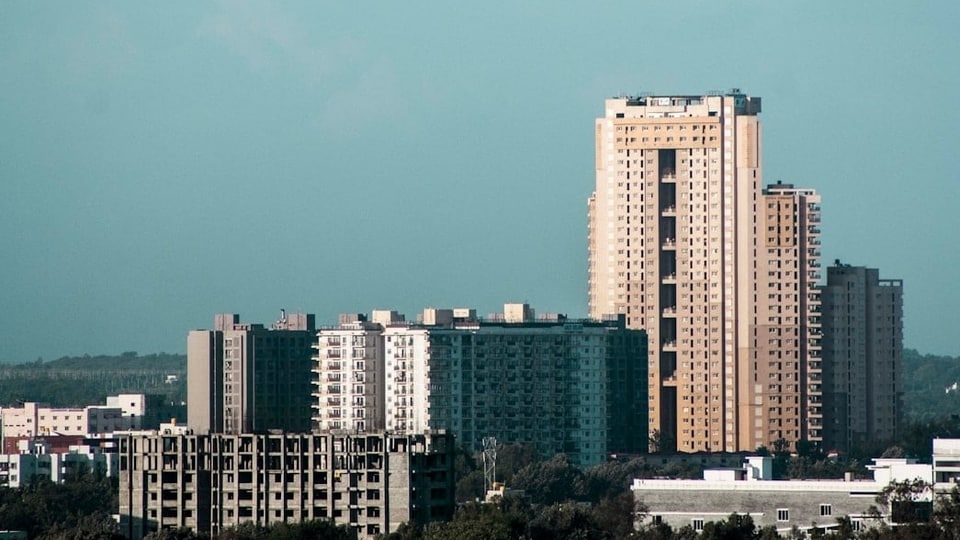
The stabilisation in rent follows a significant increase of nearly 30%–40% in several areas of Bengaluru in the last two years. Industry experts believe that the main reason for citywide rental stabilisation is the reduced supply and demand ratio gap.
In 2023, high-demand localities in Bengaluru, such as Koramangala, Sarjapur Road, Whitefield and Bellandur, among others, reported sudden annual rent hikes of up to 35%, as landlords attempted to recover pandemic losses amid a surge in demand with employees returning to offices.
Also Read: Average property prices rise two-fold along Bengaluru metro’s 3 km green line extension
"Today, rents in areas such as Koramangala, Whitefield, and HSR Layout have dropped by at least 5%. Earlier, we used to close 70 rental transactions monthly, and now we are closing almost 40," Manjesh S Rao, Chief Real Estate Officer at BrokerInBlue, told HT.com.
Local brokers say the rent for a 2BHK in areas like BTM Layout and Sarjapura has come down to ₹35,000 per month from ₹40,000 earlier. Currently, the outskirts of the eastern IT corridor of Whitefield, like Bagalur, has 2 BHK apartments for rent under ₹27,000 per month.
According to ANAROCK data, while there was a slight increase in the average rental values in Q3 2024 compared to the end of 2023 in most of the micro markets, the percentage change from 2023 to Q3 2024 is lower than the increases observed between 2021 and 2022 and 2022 and 2023.
Also Read: Will Namma Metro's red line linking Sarjapur to Hebbal impact property rentals?
Bengaluru sees new housing supply
Bengaluru recorded 16,537 home launches in April-June, accounting for 21% of the total residential launches across top cities.
Data from JLL shows that Whitefield in East Bengaluru maintained its dominant position, accounting for approximately 47% of the fresh supply and around 57% of the total sales during the June quarter. Simultaneously, the study showed that the Hosur Road and Bellary Road submarkets also made significant contributions.
Between July and September, Bengaluru accounted for a significant 17% of new housing launches across India's top seven cities. Bengaluru recorded a 7% rise in new launches yearly despite a slight 1% decrease in the city's total pace of new residential supply compared to the previous quarter.
Experts anticipate a rental correction in 2025
Sunil Singh, vice president of Realty Corp, said the rental market experienced a slight price correction from April to June 2024 as supply increased.
"With new inventories coming up, tenants today have more choices to pick from. For example, suppose about 5-10 apartments are available in a housing society. In that case, the owners will decrease the rentals slightly to close the deal," Kiran Kumar, vice president of Hanu Reddy Realty said.
For example, Ashwin Gowda, one of the techies in Bengaluru, rents a semi-furnished 1BHK close to Bannerghata for ₹12,000 monthly. He said that not everyone is in the same boat regarding rising rents and several options are available today.
Kumar further anticipates a major rental correction in 2025—about 5%- 10% across prime areas in the city.
"While demand remains buoyant, we see the rental market in Bengaluru remains flat. So we anticipate a correction in 2025, mostly towards the easter IT corridor of Whitefield and north Bengaluru, as these areas witnessed major supply this year," he added.