
 E-Paper



Imagine Indian cities without any waterlogging, flooding problems
Will cities undergo a massive transformation under the Smart Cities Mission? Will massive infusion of funds, not to mention new technology, make cities more livable and prevent Chennai-like disasters?

 Prefer HTon Google


Last December, Chennai and its suburbs received abnormally heavy rain that exposed not only the creaking public infrastructure but also the administration’s lack of planning in allowing construction of multi-storey buildings over natural drainage systems such as lakes or canals.
There are less chances of such a disaster occurring again once the Smart City Mission kicks in. In its smart city plans, Chennai has drawn up proposals for flood mitigation, solid waste management, non-motorised transport, smart parking management and improved water supply and drainage systems.
The city has chosen T Nagar, a prominent commercial hub for the area based development plan for which it has proposed storm water management, including flood warning and monitoring systems. It has proposed installing sensors for forecasting and reporting rainfall, alert systems at reservoirs that will monitor water levels and send out alerts to citizens in case of increase in water levels.
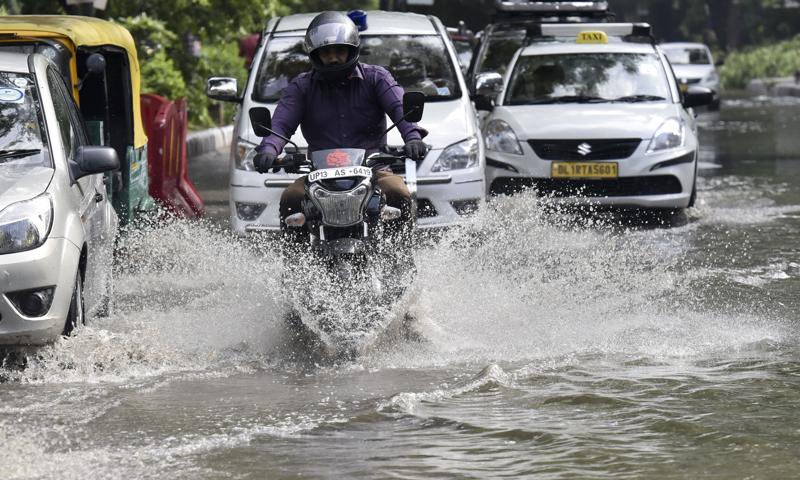
A few days ago, Delhi too virtually came to a standstill as heavy rains threw several parts of the city out of gear, leading to massive traffic jams, damaged footpaths and potholed roads. The New Delhi Municipal Council (NDMC) area, which has made it to the smart cities list, was affected too.
So, will cities undergo a massive transformation under the Smart Cities Mission? Will a fresh approach to urban governance bring about a change? Will massive infusion of funds, not to mention new technology, make cities more livable and prevent Chennai-like disasters?
Out of the 33 cities selected under the Smart Cities Mission so far, 70% have proposed improving basic infrastructure and providing solutions to problems such as waterlogging, says Jitesh Brahmkshatriya, general manager, head master planning, Tata Consulting Engineers Limited.
According to Aamer Azeemi, a smart cities advisor, roads in developed countries are made of good material and peak on top, letting rainwater to flow off and not collect on top and damage them. In India roads are badly built with no scope for drainage.


