As the mercury continues to rise, people are turning to indoor sports to beat the summer heat. One thing you must know is about the type of shoe you use. If you’ve ever tried playing badminton or training indoors in regular running shoes, you can end up with poor grip, slippery movement, and zero lateral support. Indoor sports demand something very specific: quick direction changes, stable footing, and soles that don’t mark the court. That’s where indoor sports shoes come in. They’re built with non-marking outsoles, better side support, and controlled cushioning; not too soft, not too stiff. Whether you’re playing badminton, doing court drills, or training at the gym, the right pair can actually improve how you move.
What to keep in mind while buying court shoes
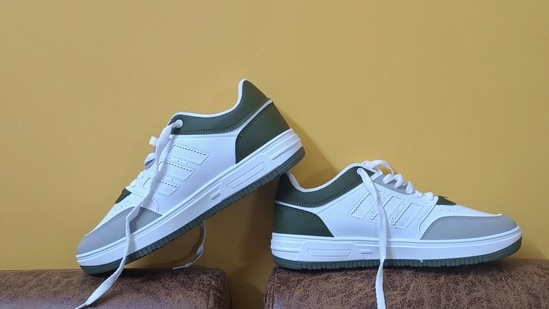
Non-marking sole is non-negotiable – especially for badminton and indoor courts
Grip over cushioning – too much softness can throw off balance
Lateral support matters – indoor sports involve side-to-side movement, not just forward motion
Weight vs stability – lighter shoes feel faster, but slightly structured ones give better control
8 Indoor sports shoes for men
{{#product}}{{/product}}
A solid entry-level option, especially if you’re starting out. The mesh upper keeps it breathable, which helps during long matches or practice sessions. The non-marking sole does its job well on indoor courts, offering decent grip for basic movement.
Best for: Beginners and occasional indoor players
{{#product}}{{/product}}
Our Principles
Full Transparency
Every product review clearly lists the Pros and Cons, giving you a balanced view.
Brand Confidence
We focus on products from brands with a proven reputation and long-standing market trust.
This pair leans more toward multi-sport indoor use. It offers a balanced mix of grip and cushioning, making it suitable for both court games and light training. The structure feels more secure compared to basic options.
Best for: Multi-use indoor training and casual games
{{#product}}{{/product}}
Designed more specifically for badminton, this pair focuses on speed and agility. It’s lightweight, allowing quicker footwork, while still maintaining enough grip for sharp movements. It feels more performance-oriented compared to general indoor shoes.
Best for: Intermediate badminton players
{{#product}}{{/product}}
Another budget-friendly option that prioritises functionality. It offers basic grip and stability for indoor courts, making it suitable for regular but non-intensive use. Good if you want something affordable without compromising on the essentials.
Best for: Budget-conscious regular users
{{#product}}{{/product}}
This pair is more training-focused than sport-specific. It works well for gym sessions, indoor workouts, and light court activity. The cushioning is slightly softer, which adds comfort but may not be ideal for fast-paced badminton. A good crossover option if you split time between gym and light indoor sports.
Best for: Gym + light indoor use
{{#product}}{{/product}}
One of the more reliable performance options here. The Upcourt 6 is known for stability and grip, especially during quick lateral movements. The build feels more structured, which helps with control on court. If you’re serious about indoor sports, this is a strong upgrade from entry-level pairs.
Best for: Regular and serious indoor players
{{#product}}{{/product}}
A brand closely associated with badminton, this pair focuses on court-specific performance. Expect good grip, responsive movement, and support tailored for the sport. It’s built for players who prioritise precision and control over casual comfort.
Best for: Dedicated badminton players
{{#product}}{{/product}}
This option sits between lifestyle and performance. It offers decent grip and comfort, with a design that works both on and off the court. It’s not the most specialised, but it’s versatile and reliable for general indoor use.
Best for: Casual indoor sports + everyday wear
Similar stories for you:
These 7 elegant and stylish bracelets for women elevate your look instantly
- Can I use running shoes for indoor sports?
Not ideal—they lack lateral support and proper grip for court movement.
- Are expensive indoor shoes worth it?
Yes, if you play regularly—they offer better stability, grip, and durability.
- Which is better: lightweight or cushioned shoes?
For indoor sports, lighter shoes with controlled cushioning work best.
- What does “non-marking sole” mean?
It prevents scuff marks on indoor courts while providing grip.
Disclaimer: At Hindustan Times, we help you stay up-to-date with the latest trends and products. Hindustan Times has an affiliate partnership, so we may get a part of the revenue when you make a purchase. We shall not be liable for any claim under applicable laws, including but not limited to the Consumer Protection Act, 2019, concerning the products. The products listed in this article are in no particular order of priority.