Think owning a pet means giving your entire home a makeover? Not necessarily. A few thoughtful changes to your everyday essentials and interiors can make your space more comfortable for both you and your furry companion. From securing exposed wiring to choosing the right rugs and flooring, small adjustments can go a long way in creating a home that is both pet-friendly and stylish.
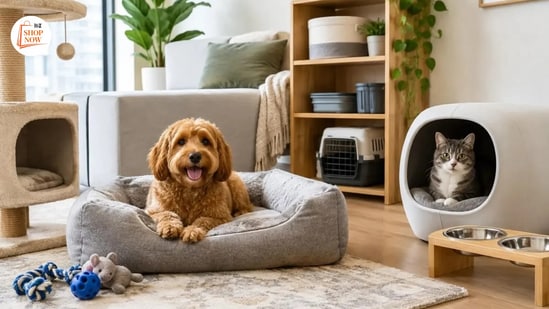
According to Mr Ajay Garg, Managing Director, E3 Group, “Modern home design is increasingly adapting to the everyday presence of pets. Instead of simply adding a pet bed or scratch-resistant furniture, homeowners are now considering their pet’s needs while making broader interior design decisions.”
Here are some expert-backed ways to make your home pet-friendly without compromising on style.
1. Choose flooring and upholstery that can withstand everyday wear
Flooring is one of the first things to consider when designing a pet-friendly home. Highly polished and slippery surfaces can make it difficult for pets, particularly older dogs and energetic breeds, to move around comfortably. Instead, opt for textured or matte-finish flooring that offers better grip and is easier to maintain.
Upholstery also deserves attention, especially if your pets enjoy sitting on the sofa. Tightly woven fabrics, microfiber and stain-resistant materials are practical choices as they are easier to clean and can withstand regular use. You can also use removable sofa covers that can be washed or replaced when needed. If you prefer lighter upholstery shades, introduce patterned fabrics to make everyday stains and pet hair less noticeable.
2. Opt for durable furniture with rounded edges
Pet-friendly interiors do not require every piece of furniture to be scratch-proof or indestructible. However, choosing durable surfaces can make everyday maintenance easier. Laminated furniture, well-finished panels and sturdy materials are suitable for areas that experience frequent use.
Pay attention to the shape of your furniture as well. Tables, cabinets and other frequently accessed pieces with rounded edges can help reduce the risk of accidental bumps and injuries, particularly when pets move around while playing. The idea is to select functional furniture that can handle everyday activity without making your interiors look overly utilitarian.
3. Create dedicated corners for your pets
Pets need their own comfortable spaces to eat, sleep and rest. However, creating these areas does not necessarily mean redesigning an entire room or adding bulky pet furniture. You can make use of unused corners, the space underneath a staircase or the area below a console table to create a cosy resting spot.
In smaller homes, multifunctional furniture can help keep pet essentials organised without occupying too much floor space. Storage benches with hidden compartments or customised furniture can accommodate toys, grooming supplies and other accessories. You can also set up feeding stations with washable mats in convenient locations. For cats, vertical shelves, window perches and scratching posts can make better use of available space.
4. Make safety a part of your interior design
A visually appealing home should also be safe for pets to explore. Start by securing balconies and windows, particularly if you have cats or dogs that enjoy looking outside. Exposed electrical wires should be concealed, while decorative objects and unstable accessories should be placed where pets cannot accidentally knock them over.
Pay attention to indoor plants as well. Some commonly used decorative plants can be toxic to pets if chewed or ingested. Check whether your plants are pet-safe before placing them within easy reach. These small changes can help create a safer environment without affecting the overall decor of your home.
5. Pay attention to noise and acoustic comfort
Noise is another aspect of pet-friendly home design that often goes unnoticed. Barking, playful movements, and the sound of paws on hard flooring can contribute to the overall noise levels inside a home. This becomes particularly relevant in apartments and compact living spaces, where sounds can travel between adjoining rooms.
Soft furnishings such as rugs, carpets and curtains can help absorb some everyday noise. You can also consider acoustic panels on walls, ceilings or partitions to manage sound reflections. According to Ajay Garg, PET acoustic panels are another option worth exploring. Available in different colours and finishes, these panels can help improve acoustic comfort while blending with contemporary interiors.
6. Choose adaptable decor that grows with your pets
Your pet's needs may change with age, which makes flexibility an important part of interior planning. Younger pets may need more open space for movement and play, while older animals may benefit from easily accessible resting areas and flooring that offers better traction.
Investing in durable materials, adaptable storage and furniture that serves multiple purposes can make your home easier to maintain over time. Keep frequently used pet essentials within reach and ensure that their sleeping, feeding and movement areas remain accessible. This way, you will not have to make major changes to your interiors every time your pet's requirements evolve.
- What upholstery fabrics hold up against claws and fur?
You can choose from options like microfiber and washable slipcovers in medium shades and subtle patterns.
- Which flooring and rugs work best for homes with pets?
Ceramic flooring works best for homes with pets. On the other hand, look for washable rugs so that you can spot-clean them.
- What safety feature should I check before home design?
Starting with the balcony, choose te indoor plants that are non-toxic, and if it's possible install them by hanging them. Whereas, ensure you tuck all the electrical wires to keep them out of reach
At Hindustan Times, we help you stay up-to-date with the latest trends and products. Hindustan Times has an affiliate partnership, so we may get a part of the revenue when you make a purchase. We shall not be liable for any claim under applicable laws, including but not limited to the Consumer Protection Act, 2019, with respect to the products. The products listed in this article are in no particular order of priority.
Also Read How to bring nature indoors in your home designAlso Read Tips to keep in mind when bringing a new pet home