Every year, as Durga Puja approaches, artisans across Bengal put the finishing touches to clay idols of Goddess Durga. One of the most significant steps is painting the goddess’s eyes, a ritual believed to symbolise bringing the deity to life. But why are the eyes traditionally painted last, and what is the significance of this age-old practice?
Why are Goddess Durga’s eyes painted last?
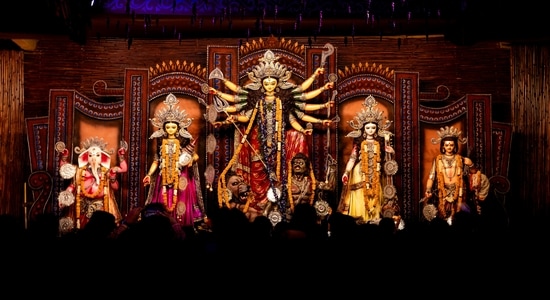
The tradition is known as Chokkhudaan, which translates to the offering or bestowing of eyes. In this ritual, the artisan carefully paints the goddess’s eyes, transforming the expression of the clay idol and symbolically bringing the deity to life.
According to UNESCO’s account of Durga Puja in Kolkata, the painting of the eyes is associated with the beginning of the goddess’s worship on Mahalaya. UNESCO recognises Durga Puja as an Intangible Cultural Heritage of Humanity, highlighting the festival’s blend of religious devotion, craftsmanship and community participation.
(Also Read: Bengaluru's holiday rush turns into traffic nightmare, people stuck in cars, buses past 12 am)
The eyes are particularly important because they give the idol its expression. Their shape and detail help convey the goddess’s divine presence, strength and compassion. Painting them requires considerable skill and precision, making the task an important responsibility for the artisan.
What is the significance of Chokkhudaan?
{{/usCountry}}The eyes are particularly important because they give the idol its expression. Their shape and detail help convey the goddess’s divine presence, strength and compassion. Painting them requires considerable skill and precision, making the task an important responsibility for the artisan.
What is the significance of Chokkhudaan?
{{/usCountry}}The ritual reflects the belief that the goddess’s presence is invoked in the idol. For devotees, the eyes are not simply a decorative feature. They represent the moment when the image begins to feel like a living representation of the deity they have gathered to worship.
A research paper on the traditional artisans of Kumartuli in Kolkata describes how artisans paint the idols’ eyes around Mahalaya, connecting the practice with the arrival of the festive period and the invocation of the goddess.
Kumartuli, a historic neighbourhood known for its idol-making workshops, is one of the best-known centres of this craft. Generations of artisans have preserved the techniques and traditions involved in creating Durga idols, while adapting their work to changing artistic styles and demands.
Is the ritual always performed on Mahalaya?
Mahalaya is traditionally associated with Chokkhudaan and marks the beginning of the auspicious period leading up to Durga Puja. However, the timing and sequence of idol-making practices can vary. The eyes are not necessarily painted last on every idol or exclusively on Mahalaya.
(Also Read: Covista CEO changes chiefs of staff every few years, says the role prepares them for bigger jobs)
As UNESCO’s photographs of Durga Puja preparations document, eye-painting is an important ritual in the work of Kolkata’s image-makers.
Chokkhudaan is more than the final touch to a Durga idol. It reflects the faith, skill and tradition behind Durga Puja.