E-Paper



Japan's bizarre make-up trend involving hot melted glue to create tear droplets goes viral among teens
A bizarre Japanese make-up trend using hot melted glue to create teardrop shapes went viral among teens, despite experts warning against its skin risks.

 Prefer HTon Google


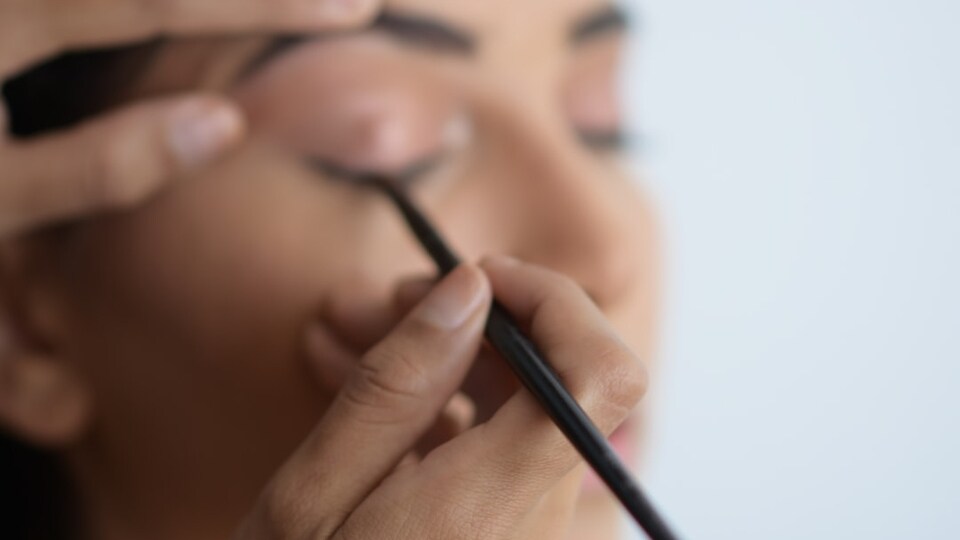
A new make-up craze in Japan, known as "3D teardrop make-up," is sweeping through schools, particularly among teenage girls, according to a report in South China Morning Post (SCMP). This unusual trend, which involves using hot melted glue to create droplet shapes on the face, has grabbed the attention of social media, with its popularity growing rapidly across the nation.
(Also read: Instagram user slammed for ‘vitiligo-inspired’ makeup look: 'It’s not a costume!')
Creating the teardrop effect
As per SCMP report, the make-up process involves squeezing super hot glue onto a smooth surface, such as a plastic sheet, and allowing it to cool and solidify. Once the glue has set, it is peeled off and affixed to the face using fake eyelash glue. The result is a delicate, tear-like droplet shape that gives the wearer an emotional, almost vulnerable appearance, making them look as if they are crying. The trend is intended to evoke sympathy, with girls hoping to achieve a more delicate or fragile look.
While this specific trend has taken off in Japan, the use of hot melted glue for beauty purposes is not new. Last year, TikTok beauty creator Vanessa Funes, known as @cutcreaser, made waves with a space-age eyeliner look created using a hot glue gun. Funes’ video, which featured a melted metal-inspired eyeliner design, quickly went viral, amassing 14.9 million views under the hashtag #hotgluemakeup.
However, experts have issued warnings about the safety of using hot glue directly on the skin. They advise against placing the hot glue on the face without proper precautions, such as using a stainless-steel surface or parchment paper to create the designs before attaching them to the skin.
Viral beauty trends: A growing concern
This is not the only viral beauty trend to have captured attention recently. In the US, a bizarre beauty fad emerged earlier this year, encouraging people to eat dirt as a remedy for health issues. The practice, believed by some to improve gut health, skin problems, and even obesity, gained traction on platforms like TikTok, with products such as edible clay and soil selling for anywhere between ₹900 and ₹2,200.
(Also read: Hot pink eye shadow to perfumes: Makeup practices from 2,000 years ago revealed in Aizanoi)
While these trends are gaining popularity on social media, experts urge caution when it comes to trying out unusual beauty practices, particularly those that involve potential risks to skin health.