The Booker Prize is among the world's best-known literary awards, recognising some of the most celebrated works of fiction. But have you ever wondered why its shortlist features novels and other works of fiction, while poetry collections and plays are left out? The answer lies in the award's origins and the purpose for which it was first established in 1969.
The Booker Prize was created to celebrate fiction
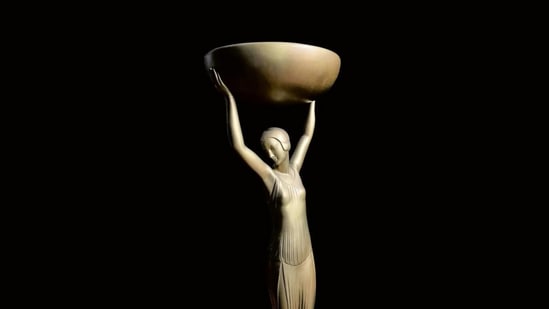
The Booker Prize was first presented in 1969, when British publishers Tom Maschler and Graham C Greene came up with the idea for an award that would bring greater attention to contemporary fiction. They secured the backing of Booker McConnell, a company that became the prize's original sponsor.
According to the Booker Prize Foundation's history of the award, its original aim was to stimulate the reading and discussion of contemporary fiction. The first award went to British author P H Newby for his novel Something to Answer For.
Over the decades, the prize became an important platform for writers and their work. Its focus, however, remained on fiction rather than expanding to cover every form of literature.
(Also Read: Gaai Gohri: The Gujarat tradition where villagers let herds of cattle run over them)
Why are poetry and plays not eligible?
{{/usCountry}}(Also Read: Gaai Gohri: The Gujarat tradition where villagers let herds of cattle run over them)
Why are poetry and plays not eligible?
{{/usCountry}}The answer lies in the way the award was designed. The Booker Prize recognises a sustained work of fiction, which is why its rules do not include poetry collections or plays. These are distinct literary forms, with their own traditions and ways of storytelling, and are recognised through other awards.
The official Booker Prize eligibility rules state that the award is given to the best eligible work of long-form fiction, written originally in English and published in the UK or Ireland. The author can be from any nationality, but the book must meet these conditions.
This also means that the Booker is not exclusively a prize for novels in the narrowest sense. Its central requirement is that the submitted work qualifies as long-form fiction.
Other literary awards recognise different forms
Poetry and drama have their own major awards and platforms. In the UK, the T S Eliot Prize recognises poetry collections, while the Olivier Awards celebrate achievements in theatre. These awards focus on forms of writing and performance that fall outside the Booker's remit.
The Booker Prize Foundation also runs the International Booker Prize, which recognises fiction translated into English. It shares the foundation's wider focus on fiction while bringing works originally written in other languages to English-speaking readers.
(Also Read: Rameshwaram Cafe warns public against fake franchise offers circulating in its name)
The Booker Prize's focus on fiction does not mean poetry or plays are any less valuable. It simply reflects the award's original aim of recognising and encouraging contemporary fiction.