Israeli Prime Minister Benjamin Netanyahu sought for weeks to advance military action against Iran before Tuesday’s national election. However, he faced resistance from Israel’s military chief, according to a report by The New York Times.
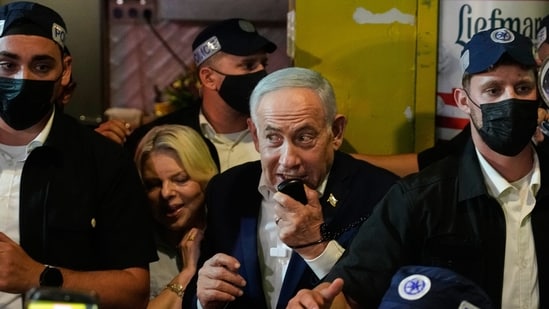
The report said that the disagreement centered on both the timing of any operation and concerns that it could influence the election or trigger a wider regional conflict.
According to the report, Netanyahu initially pushed for a new airstrike on Iran but was opposed by Israel Defense Forces (IDF) Chief of Staff Lt. Gen. Eyal Zamir.
Deep Dive
Why did Israel’s military chief resist Netanyahu’s push for action against Iran before the election?
Was Israel’s military opposed to striking Iran altogether?
Could Netanyahu’s possible election loss increase the chance of Israeli strikes on Iran?
In recent days, Zamir reportedly became concerned that Netanyahu was considering another action against Iran that fell short of an overt military strike. The report said Zamir believed such a move could provoke retaliation from Tehran without a compelling military necessity.
Also read: 'Vote for Bibi for PM': Trump renews pitch for Netanyahu as Israel heads to polls tomorrow
Military reportedly questioned timing before election
The report cited three senior Israeli defense officials and few other people who were briefed on the discussions. As per these sources, Zamir concluded there was no urgent operational requirement to act against Iran before Tuesday’s vote.
{{/usCountry}}The report cited three senior Israeli defense officials and few other people who were briefed on the discussions. As per these sources, Zamir concluded there was no urgent operational requirement to act against Iran before Tuesday’s vote.
{{/usCountry}}According to the report, Israeli Air Force commander Maj. Gen. Omer Tischler also questioned the timing. Both commanders reportedly argued it would be difficult to justify military action immediately before a national election.
The report said military leaders were not opposed to action against Iran in principle but objected to carrying it out during the sensitive election period. The Israeli military stated in a statement that it only made operational decisions based “on security considerations" and “its obligation as a national institution.”
Iran has repeatedly denied seeking nuclear weapons, maintaining that its nuclear program is intended for peaceful purposes. Israel has long argued that Iran’s nuclear activities pose an existential security threat.
Also read: ‘Don’t test us': Netanyahu warns Iran against attempts to disrupt Israel’s October 27 elections
Election campaign dominated by security concerns
The report said that Netanyahu has increasingly framed Tuesday’s election as a vote on Israel’s survival.
Given the dramatic drop in Israel's popularity in the United States, he stated on Friday that Israelis should get ready for the US to stop providing billions of dollars in military assistance. Additionally, he stated that the prospect of "financial sanctions" resulting from international censure would compel Israel to use cryptocurrencies in order to avoid the fines in the years to come.
Over the weekend, he posted an AI-generated image showing a mushroom cloud over Tel Aviv and warned in a television interview that the election would determine “Israel’s existence.”
He has also argued that Iran remains Israel’s greatest external threat and pledged to continue efforts to dismantle Tehran’s nuclear program. The report further added that his critics have accused Netanyahu of using national security issues to shape the election campaign.
Former Defense Minister Avigdor Liberman called for Israel’s attorney general to investigate whether Netanyahu’s reported actions amounted to an abuse of office. “The attempt to drag Israel into a war on the eve of elections… is a betrayal of the nation,” Liberman wrote in a formal complaint, according to The New York Times.
Netanyahu is seeking another term while facing a strong challenge from former IDF Chief of Staff Gadi Eisenkot.
Eisenkot has campaigned on promises to establish an inquiry into the October 7, 2023, Hamas attack, restructure Israel’s security policy and form a new government if elected. He said, “At stake in the elections is nothing less than the security of Israel and the survival of the Israeli story as we know it."