
 E-Paper



Chinese proxies systematically threatening expats living in Canada: Report
Fear of state-backed or state-linked retribution targeting both them and their loved ones, in Canada and abroad, can force individuals to submit to foreign interference, a senior Canadian official said.


The Chinese government deploys “trusted agents” or proxies for its state agencies in Canada to threaten and intimidate members of its diaspora community into refraining from criticism of the regime, using tactics such as retributive action against family and friends in the mainland, a media report said.
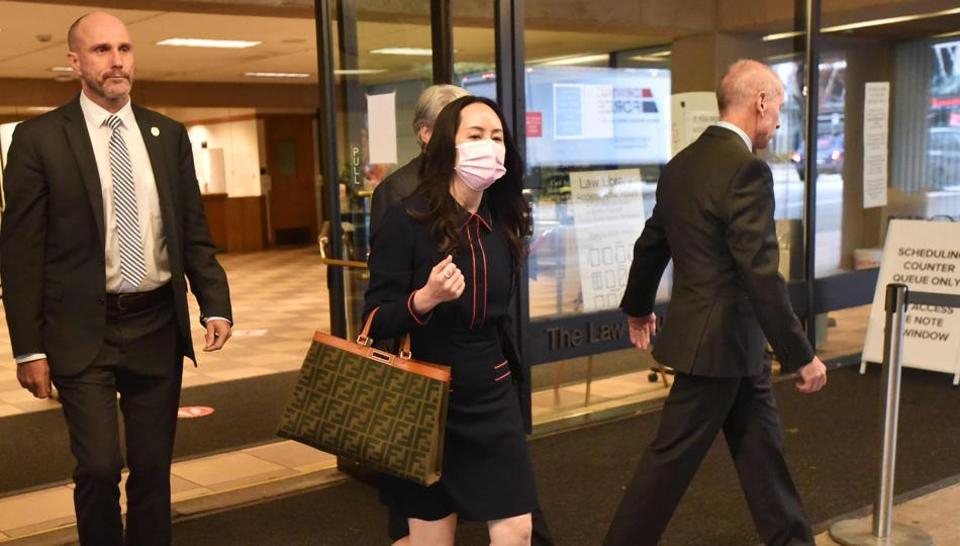
This strategy employed by Beijing has now been recognised by Canada’s spy agency, Canadian Security Intelligence Service (CSIS), according to a report in the national daily, Globe and Mail.
While these tactics may be used to force fugitives to return to China, a CSIS spokesperson told the daily that they could also be utilised “for silencing dissent, pressuring political opponents and instilling a general fear of state power no matter where a person is located.”
“Certain foreign states routinely attempt to threaten and intimidate individuals around the world through various state entities and non-state proxies. These states, such as the People’s Republic of China, may use a combination of their intelligence and security services as well as trusted agents to assist them in conducting various forms of threat activities,” the spokesperson said.
In the strongest public denunciation of China’s bullying of its expat community in Canada, the CSIS spokesperson also added that the “fear of state-backed or state-linked retribution targeting both them and their loved ones, in Canada and abroad, can force individuals to submit to foreign interference”.
Taken together, such activities “constitute a threat to Canada’s sovereignty and to the safety of Canadians,” he said, while asking Chinese-Canadians to report such coercion to Canadian law enforcement.
Such actions of the Chinese government echo those occurring in the United States, under the name of Operation Fox Hunt, which the Federal Bureau of Investigation director Christopher Wray had said was launched under the direction of Chinese President Xi Jinping in 2014 through the Ministry of Public Security to “target Chinese nationals who he sees as threats and who live outside China, around the world.”
These revelations come even as protests against Beijing have burgeoned in Canada. Multiple marches and other events have been jointly organised by community groups with their roots in Hong Kong, Tibet and also Uighurs, to protest Chinese Government measures including a controversial security law in Hong Kong and persecution of minorities.
Reacting to the report, Shuvaloy Majumdar, Program Director and Munk Senior Fellow for Foreign Policy at the Ottawa-based Macdonald Laurier Institute, told the Hindustan Times,
“It is now apparent through many reports that the CCP pursues a systematic campaign of intimidation against Canadians - in Hong Kong, and across Canada. They underestimate the strength of this country and what binds all Canadians together.”
The Canadian spy agency’s statement also comes as relations between China and Canada have cratered after the arrest of two Canadians, including a diplomat, in China in what Prime Minister Justin Trudeau described as “hostage diplomacy”.
The Canadian government has asserted those arrests were taken in retaliation to the detention of a senior executive of the Chinese telecommunications firm Huawei in Vancouver in late 2018 on charges of defrauding a bank to bypass sanctions against Iran.
Critics of China’s interference in Canadian matters have also pointed to the role of other State-backed outfits such as the Confucius Institutes and the United Front Work Department, which is part of the Chinese Communist Party’s Central Committee apparatus.
Last month, China’s ambassador Cong Peiwu had riled the Canadian government by saying that Canada should stop giving asylum to “violent criminals” from Hong Kong, the pro-democracy activists, if it “really cares about the good health and safety of those 300,000 Canadian passport holders in Hong Kong, and a large number of Canadian companies operating in Hong Kong.”
That veiled threat received a rebuke from Trudeau, as he said, “We will stand up loudly and clearly for human rights, all around the world, whether it’s talking about the situation faced by the Uighurs, whether it’s talking about the very concerning situation in Hong Kong, whether it’s calling out China for its coercive diplomacy.” Opposition leaders had then asked Ottawa to withdraw the diplomatic credentials of the envoy.


