
 E-Paper



'Felt like I was dying': Why Mexican women are ditching male drivers
In 2025, Mexico has recorded 61,713 sex crimes, including 8,704 reports of sexual harassment, but many incidents go unreported due to stigma.

 Prefer HTon Google


For women in Mexico, a simple cab ride is rarely simple. Fear and vigilance often accompany every journey, a reality Nina Fuentes knows all too well.
The international economics researcher, a survivor of sexual violence, recalls a rideshare driver who repeatedly pressed her about her Valentine’s Day plans and phone number.
“I felt like I was dying,” she said. Since then, Fuentes has avoided public transport and cab services entirely.
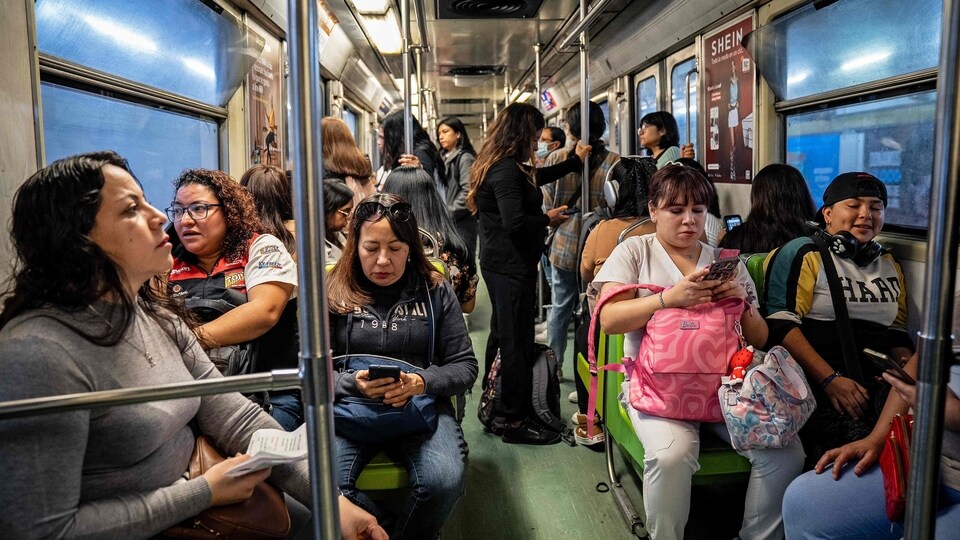
Mexico also has women-only coaches in its metro, but it has seldom solved the problem of gender violence in the country, reported NPR.
The concern over women’s safety reignited nationally when Mexico’s first female president, Claudia Sheinbaum, was groped by a drunk man in public.
Sheinbaum has pressed charges and vowed to make sexual harassment a crime across all Mexican states, a step toward easier reporting in a country where an average of 10 women are killed daily.
Also Read | Man gropes, tries to kiss Mexican President Claudia Sheinbaum during public interaction
Women-only transportation in Mexico
After her own frightening rideshare experience, Fuentes turned to AmorrAs, a self-managed feminist network which offers women-only transportation in Mexico City and its suburbs.
Founded by 29-year-old Karina Alba after the 2022 killing of Debanhi Escobar, who was found dead days after leaving a taxi, the network now has more than 20 women “ally” drivers serving over 2,000 women annually.
“I decided to create a safe space for women, one where they can live with dignity and free from violence,” Alba said.
Rides are booked in advance through a form, with pricing based on distance. Passengers receive their driver’s name, number, and a reassuring message.
Why women are ditching male drivers in Mexico?
Dian Colmenero, 38, said, “Before driving with AmorrAs, I had experienced violence on public transport, on the subway, and even with ride-hailing apps. I once had to ride with a driver who told me he had beaten up several women.”
In 2025, Mexico has recorded 61,713 sex crimes, including 8,704 reports of sexual harassment, but many incidents go unreported due to stigma and authorities’ disbelief, says the National Citizen Observatory on Femicide.
Lawyer Norma Escobar, 32, collaborates with AmorrAs to provide legal support, recounting cases where women were dismissed by forensic doctors: “Nothing has happened to you, there have been worse cases.”
Fear shapes how women move in the city
Fear shapes how women move through the city.
Nejoi Meddeb, 30, always kept her hand on the door handle, ready to flee.
In 2022, 23-year-old Lidia Gabriela Gómez died after jumping from a moving taxi when the driver took an unexpected route.
Maria Jose Cabrera, 28, was once followed after leaving a minibus and sought refuge in a women-only subway car, and on another occasion was groped in a mixed car.
Now, she relies on AmorrAs. For many Mexican women, male drivers are no longer an option. Networks like AmorrAs are providing more than rides, they offer a sense of safety in movement.


