The US President Donald Trump, on Thursday, made the big decision of removing Pam Bondi as attorney general. Acting quickly to ensure continuity at the Department of Justice, Trump confirmed that deputy attorney general Todd Blanche will take charge as acting attorney general during the transition.
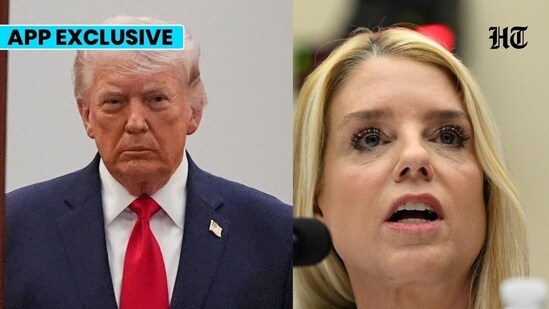
While Trump did praise Bondi on her tenure, also describing her as ‘a great American patriot and a loyal friend’, reports say that he was frustrated with for months with what he saw as a lack of progress on key priorities.
Chief among these was Bondi’s failure to aggressively pursue investigations and prosecutions against his political enemies , something he had repeatedly pushed for, even publicly urging faster action.
Also, Trump administration was not happy with her handling of matters related to Jeffrey Epstein files, which contributed to her fall.
While Trump continued to defend her in public, reports indicate he grew impatient with both the pace and outcomes of her work. The combination of unmet expectations on prosecuting rivals, controversy over Epstein-related disclosures, and internal frustration within his team ultimately led to her removal, according to ANI which cited a CNN report.
A timeline of her love-hate bond with Trump
Pam Bondi took office 14 months ago promising to keep politics out of the Justice Department. However, her tenure soon aligned closely with the priorities of Trump.
{{/usCountry}}Pam Bondi took office 14 months ago promising to keep politics out of the Justice Department. However, her tenure soon aligned closely with the priorities of Trump.
{{/usCountry}}Also Read: Pam Bondi’s first reaction to Trump's firing decision revealed: 'Tried to change his mind’
She frequently praised the president at public appearances, dismissed prosecutors viewed as insufficiently loyal, and initiated investigations targeting his political opponents.
These moves triggered significant internal upheaval within the department, leading to the resignation of hundreds of employees.
Critics argued that such departures and unprecedented actions signaled a shift away from institutional norms, raising concerns that the Justice Department was being used to further Trump’s personal and political agenda rather than operate independently, says a AP report.
Trump repeatedly praised and defended Bondi publicly but also showed flashes of impatience with his attorney general’s efforts to meet his demands to prosecute his rivals, says an AP report. In one extraordinary social media post last year, Trump called on Bondi to move quickly to prosecute his foes, including James and Comey, telling her, “We can’t delay any longer, it’s killing our reputation and credibility
Then came the Epstein files blunder by Bondi
Trump and even republican supporters, says report, were not too impressed with the way Bondi handled the Epstein files revelations, sometimes making extraordinary public statements that backfired.
In February 2025, Bondi raised expectations by claiming that significant Epstein-related material, including a rumored ‘client list’, would be released. However, the initial ‘Epstein Files: Phase 1’ release largely contained already public information, prompting criticism and leading Bondi to demand fuller disclosures from the FBI.
By July 2025, the Justice Department reversed course, stating that no further major releases would occur due to court seals protecting victims and a lack of evidence for new charges. It also clarified that no ‘client list’ existed, contradicting earlier implications. This sparked backlash from conservative figures, though Trump defended Bondi and downplayed the issue.
In November 2025, Congress passed legislation mandating disclosure of Epstein-related files, which Trump signed, though he framed the effort as politically motivated. Simultaneously, new investigations into Epstein’s connections were announced, including scrutiny of figures like Bill Clinton, though no wrongdoing was established.
The first batch of documents released in December 2025 revealed little new information and drew criticism for heavy redactions. A larger release in January 2026 exposed elite networks and reputational fallout across institutions but also raised concerns after victims’ personal information was disclosed, prompting sharp criticism from attorney Gloria Allred.
In February 2026, Bondi defended her actions during a contentious congressional hearing, while in March, a bipartisan House committee subpoenaed her to testify, signaling widespread dissatisfaction.
Overall, the episode reflects tensions between transparency, victim protection, and political narratives surrounding the Epstein case.
Not to forget, Susie Wiles, the low-profile yet influential chief of staff to Trump, had sharply criticised Bondi over her handling of the Epstein matter.
(With inputs from AP, AFP)