Sometimes small choices can end up reshaping a whole continent. The National Museum of Australia notes that on Christmas Day in 1859, Thomas Austin, a self-made man and wealthy settler, released 13 wild European rabbits on his estate in Victoria, Australia. The rabbits were let go for people to hunt for sport. By 1866, seven years after the release, hunters had shot 14,000 rabbits on the estate. The release marked the start of one of Australia's major pest problems.
A gift from home that got out of hand
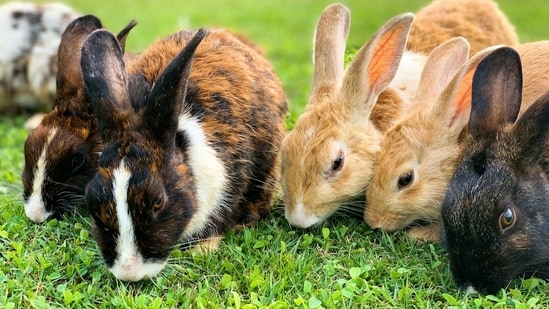
A relative in England had specifically collected the rabbits and sent them to Austin. Rabbits had been introduced to Australia before; five were on the First Fleet, but they were never released into the wild. Austin's rabbits were different. They went out and found lots of food, good ground cover, and no predators. Those conditions helped the rabbits spread quickly. By 1880, they were over the Murray River into New South Wales. By 1886, they were in Queensland. By 1894, they were over the Nullarbor Plain and had settled Western Australia. It took rabbits 700 years to colonize Britain, but they spread through two-thirds of Australia in just 50 years, which the museum describes as the fastest spread of a colonizing mammal anywhere in the world.
Fences, viruses and a long fight
Settlers and governments tried many ways to fight back, including trapping, fumigation, and bounty systems, but fences were the most visible method. The most iconic one was Western Australia's rabbit-proof fence, built between 1901 and 1907. It extended 3,256 kilometers (about 2,023 miles) north to south across the state. The fence was unsuccessful partly because it was completed after rabbits had already crossed into the state, and the fence kept deteriorating, so there was almost always somewhere to cross.
{{/usCountry}}Settlers and governments tried many ways to fight back, including trapping, fumigation, and bounty systems, but fences were the most visible method. The most iconic one was Western Australia's rabbit-proof fence, built between 1901 and 1907. It extended 3,256 kilometers (about 2,023 miles) north to south across the state. The fence was unsuccessful partly because it was completed after rabbits had already crossed into the state, and the fence kept deteriorating, so there was almost always somewhere to cross.
{{/usCountry}}Deep Dive
What damage did introduced rabbits cause to native plants on the Kerguelen Islands?
Did the Kerguelen Islands recover after rabbits were removed?
Why did rabbits spread so quickly after being introduced to islands?
Rabbits, too, were a free source of meat in lean years, and during the 1930s Depression, many people shot them for food or trapped them. Later scientists started to look at disease. In 1950, trials with myxomatosis, a virus that affects rabbits, were renewed, and the disease spread at incredible speed after rain brought more mosquitoes. But the rabbits began to develop resistance, just as they later did to the virus known as calicivirus. Their numbers are now on the rise again.
What rabbits do to the land
The damage goes beyond farms. The museum says rabbits will eat just about anything that grows. Over time, very large numbers can overgraze and damage native plants and the native animals that depend on them. Heavy grazing can also lead to soil erosion.
In a 2012 paper in Wildlife Research, Brian Cooke of the University of Canberra examined the rabbit’s place in Australian ecosystems. His review notes that wild rabbits have degraded many natural Australian ecosystems and any beneficial role they play is small by comparison. Cooke also concluded that rabbits could be controlled adequately to begin restoration of the ecosystem, but that a high level of control was necessary.
Why this story still matters
By the late 1940s, rabbit numbers had climbed to 600 million. The author Brian Coman, quoted by the museum, calls the rabbit the country's most serious vertebrate pest. Austin's release was meant to add a little sport to his estate. Instead, it became a lesson in how quickly an introduced animal can take over when food, cover, and few predators are in alignment. It is also a warning against moving animals to places where the local ecosystem has no natural defenses against them.