
 E-Paper



India surrounded by economic turmoil in neighbourhood
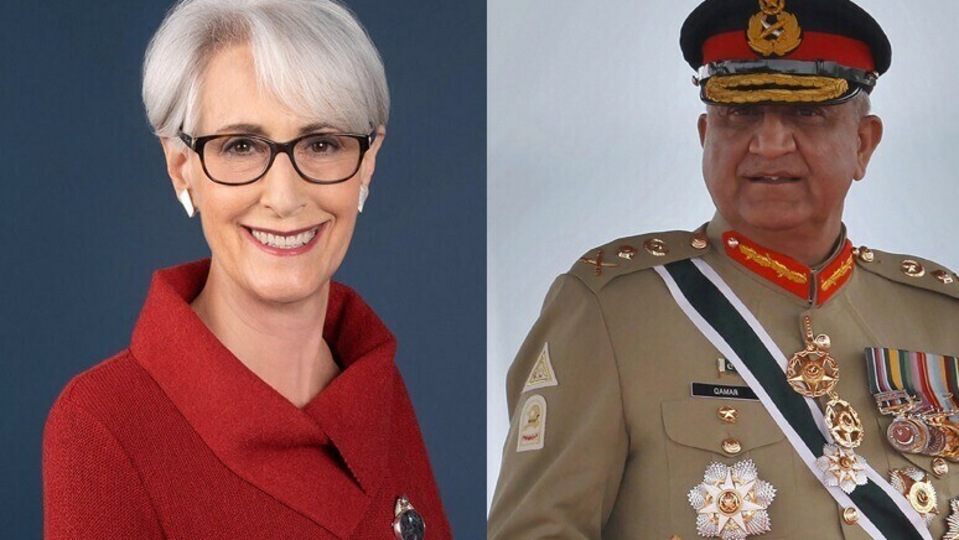
Pakistan Army Chief Gen Qamar Bajwa force-multiplied into efforts of political leadership by requesting US for early disbursement of IMF loan while WB waits for policy framework in Colombo before sanctioning any further relief. Dhaka has sought USD 4.5 billion loan from IMF.

 Prefer HTon Google


The Ukraine war leading to economic instability has cast its shadow over Indian sub-continent with Pakistan, Sri Lanka and now Bangladesh all approaching Bretton Woods institution for bailouts with Islamabad following Colombo and facing a risk of debt default due to dwindling foreign exchange reserves. The economic condition of Myanmar, Maldives and even Nepal is in dire straits.
Five months after Russia invaded Ukraine, the war is showing no signs of ending with Moscow now gaining an upper hand and calling for a regime change in Kyiv after consolidating its position in eastern part of the country. While European Union will feel the cold after cutting gas supplies from Russia by 20 per cent, Moscow is neither feeling the political or economic heat of the sanctions imposed by the west.
This means that the war will continue till President Putin’s objectives are achieved and as result of which the economic crisis fuelled by high inflation, costly crude and food shortages will continue. In short, the Indian neighbourhood is in an economic turmoil which as Sri Lanka has shown can explode into political upheaval.
The situation in Pakistan has reached a level where its Army Chief Gen Qamar Jawed Bajwa sought help of US Deputy Secretary Wendy Sherman to push the IMF for an early disbursement of a USD 1.5 billion-dollar loan as Islamabad was facing the risk of debt default due to stiffening of USD accompanied by dwindling foreign reserves. It is understood that General Bajwa made the call to the US Deputy Secretary to supplement the efforts of Pakistani political leadership as the latter’s effort were not being taken that seriously.
While ousted Pakistan PM Imran Khan Niazi leaves no opportunity to take pot shots at the US leadership, Islamabad has no options but to seek help of Washington as its iron brother China is in no position to help. Pakistan owes more that 25 per cent of its external debt to China, who is turning out to be the new East India Company in the Indian sub-continent.
The situation in Sri Lanka, another close friend of China, is getting worse as the World Bank has refused to offer new financing till the time an adequate macro-economic policy framework is in place. In a statement, the World Bank said the macro-economic policy framework required deep structural reforms that focus on economic stabilization, and on addressing the root structural causes that created this crisis to ensure that Sri Lanka’s recovery is resilient and inclusive.
The situation in Dhaka is not so dire but there are signs of looming economic stress with 10 per cent price difference between official purchase of a US dollar from a bank and the black market.
While the Bangladesh currency Taka is holding against the dollar as compared to virtually crashed Pakistan and Sri Lankan rupee, Dhaka has sought a USD 4.5 billion-dollar loan from IMF to contain the rising food and fuel prices. However, under the strong leadership of Sheikh Hasina, Bangladesh is showing no signs of a political turmoil barring increased Islamic radicalization in the country.
Although the Indian Rupee and Nepali Rupee institutionalized mechanism will not allow situation to go out of hand in Kathmandu, its political leadership now realizes why it is important to be financially prudent and not gloat over loans from China. Same is the situation in Myanmar, under the military junta, reeling in economic crisis and Maldives barely able to keep afloat in the current recession.


