
 E-Paper



Law Professor Sues Boeing After Alleged Exposure to Toxic Fumes on Flight
The lawsuit underscores the potential legal liability facing the industry as it grapples with a surge in fume events in recent years.


 Prefer HTon Google


A law professor is suing Boeing, alleging that exposure to a toxic fume event on a 737 operated by Delta Air Lines led to his lasting brain and respiratory injuries.
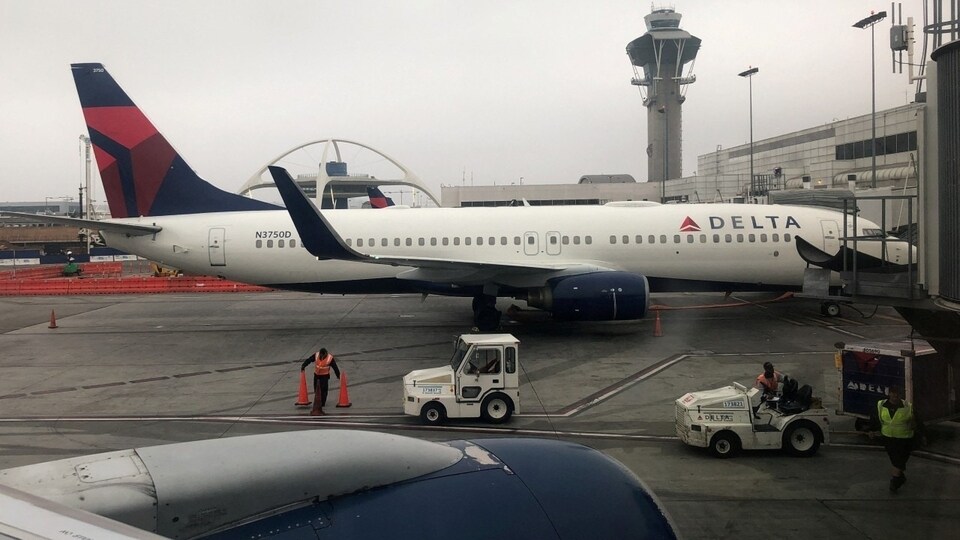
The lawsuit, which his lawyer says is the first on this topic led by a passenger on a U.S. commercial flight, underscores the potential legal liability facing the industry as it grapples with a surge in cases of fume events in recent years.
In late August last year, Jonathan Harris was flying home from a conference in Atlanta, Ga. to Los Angeles when passengers reported a dirty sock-like odor filling the cabin after landing and which worsened as they waited 45 minutes on the ground for a gate to become available, according to the complaint.
At the time, Harris was 44 and a lecturer at Loyola Law School in Los Angeles.
Along with other passengers, Harris complained of trouble breathing before he vomited into a plastic bag at his seat. Harris alleges he has had lasting symptoms since, citing balance and motor skill issues, tremors and memory loss, and cognitive defects, the complaint says.
The suit, filed last week in Arlington, Va. where Boeing is based, is the latest to allege that exposure to vaporized engine oils during a flight has led to long-term illness.
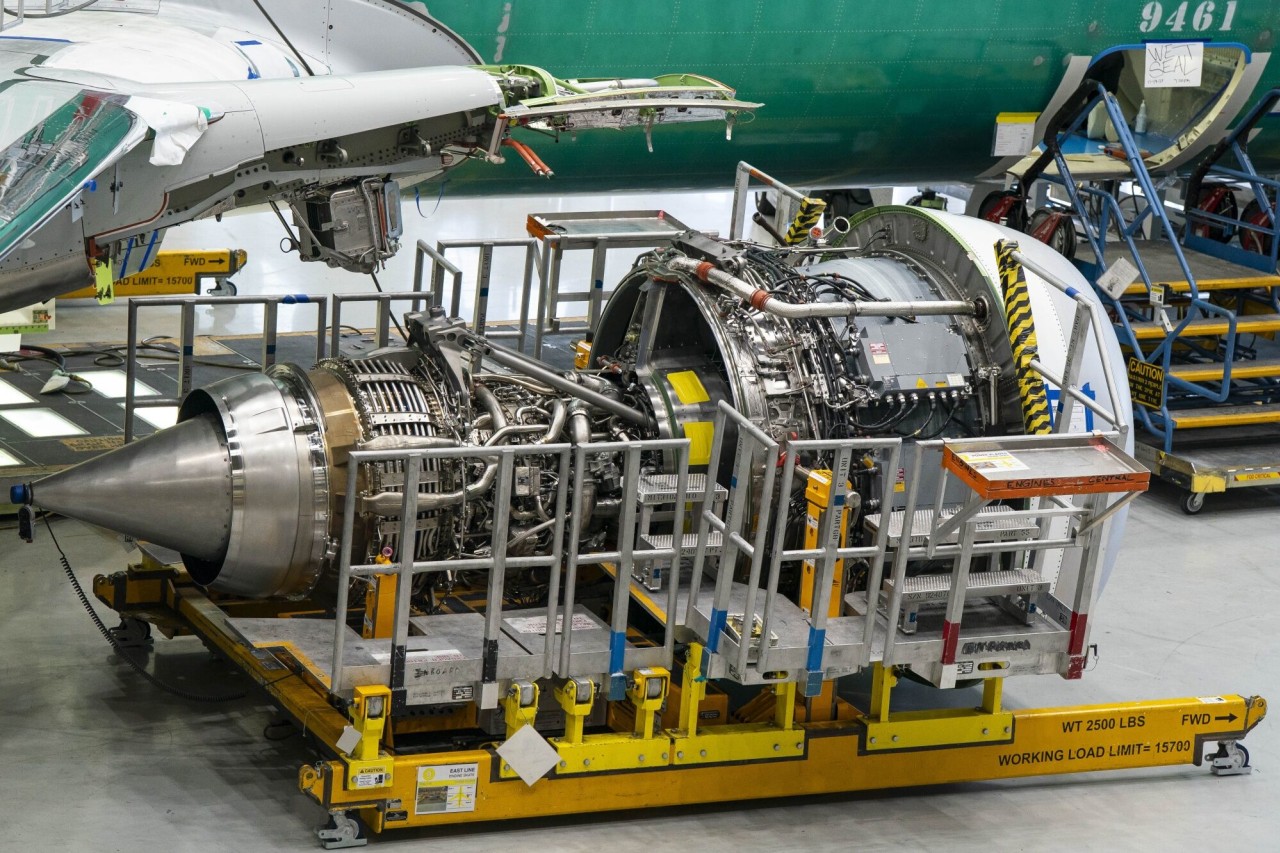
While passengers have joined earlier suits filed by flight crew, Harris’s is the first brought against Boeing in which a passenger on a commercial flight is the lead plaintiff, according to Zoe Littlepage, one of Harris’s lawyers. Her firm, Houston-based Littlepage Booth, has previously settled eight similar actions with Boeing for undisclosed sums over the last decade, with three others still active, she said.
The lawsuit is seeking $40 million in damages.
The industry has for years maintained that incidents are rare and haven’t been shown to pose significant health risks when they do occur. Spokespeople for Delta and Boeing declined to comment.
Not everyone reacts to toxic fumes in the same way and most walk away without noticeable symptoms. But exposure has also led to diagnoses of brain injury in pilots, cabin crew and passengers, The Wall Street Journal has reported. The Journal’s analysis showed that fume-event reports on Boeing and Airbus aircraft were almost 10 times more common in 2024 than a decade earlier.
With the exception of Boeing’s 787, all modern commercial jetliners draw air supply via the engines, making them prone to fume events. Internal industry data found a rate of at least 22 fume events a day in the U.S. alone.
Harris said in an interview that his four-hour flight was at first forgettable before passengers noticed a “rancid” smell while the aircraft sat waiting for a gate.
Harris, who was in window-seat 35F, said he urged the crew to let them off the aircraft.
“People are getting sick and vomiting,” Harris said in a text message to his wife, reviewed by the Journal. “We need to get off the plane but they won’t move and we’ve told the captain twice.”
When the aircraft parked and the doors opened, Harris said his head was throbbing, he felt confused and was struggling to string sentences together. “There was nowhere to go, you know, you’re trapped in this metal container,” he said.
The next morning, Harris was sent to emergency care by his primary care doctor, where blood tests showed low levels of oxygen, high levels of bicarbonate, and carbon monoxide levels that were at the cusp of upper limits.
Over the next few months, he struggled to stand for extended periods and started giving lectures while sitting in a chair. A regular runner before, he felt unsteady on his feet, and on one occasion he tripped and broke his ankle.
He said he was prescribed an inhaler from a pulmonologist for tightness in his chest. He still regularly gets bad headaches and avoids flying where he can. When he does fly, he carries a gas mask.
“I had no idea that this was a problem,” Harris said of contaminated-air events on airplanes.
In September, 39 members of Congress wrote to FAA administrator Bryan Bedford to ask for the agency to accelerate efforts to address fume events and provide a new mechanism for passengers to report incidents to authorities.
Write to Benjamin Katz at ben.katz@wsj.com


