
 E-Paper



Is Miss France pageant sexist? Court rules, not really
Miss France Contest Controversy: Osez le feminisme called the judgement "an intolerable decision that extends a recruitment process that is discriminatory and illegal".


Backing organisers of the Miss France beauty pageant, a court in Paris said that the contest was not discriminatory in the way it selected candidates. The judgement came in response to a case filed by a feminist group "Osez le feminisme" (Dare to be a Feminist), along with three failed contestants.
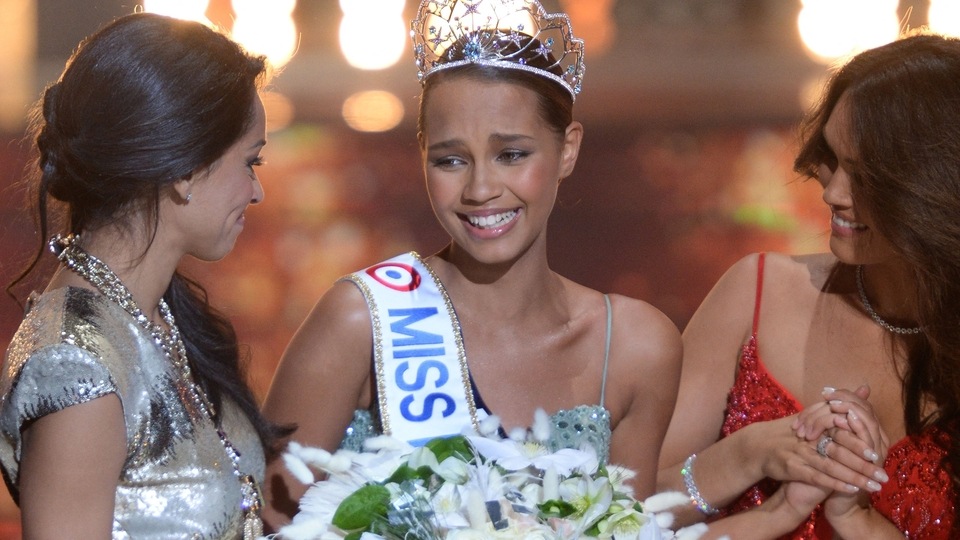
The case was filed in October 2021 alleging that the contest was breaking French labour laws as the companies were discriminatory by asking contestants aspiring to be beauty queens to be more than 1.70 metres tall, single, and "representative of beauty".
Read more: Germany's expectation from ‘gatekeeper’ Elon Musk: Twitter must…
But the labour court in the Paris rejected their arguments. Osez le feminisme called the judgement "an intolerable decision that extends a recruitment process that is discriminatory and illegal", in a statement, AFP reported, adding that the group would wait to see the arguments made in the decisions before deciding whether to appeal.
Beauty contest Miss France came under attack in 2021 after then French gender equality minister, Elisabeth Moreno, denounced the competition's "outdated rules... which can be discriminatory".
The latest contest that took place in December last year included fewer eligibility requirements. Previously, the contest restricted entry to women between the ages of 18 and 24 without children. But this time, any woman over 18 years old of any height and child-bearing status was eligible for the pageant. Visible tattoos were also allowed for the first time while transgender women who have female civil status records were also permitted to compete.


