Representatives of Serbia's student-backed movement will take their seats in parliament on Tuesday, as the chamber convenes for the first time since a landslide election victory last month ended 14 years of rule by Aleksandar Vucic's right-wing party.
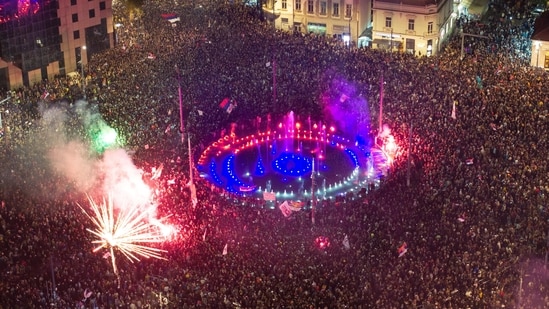
The historic result followed nearly two years of protests sparked by the 2024 collapse of a railway station canopy in Novi Sad that killed 16 people.
The disaster, widely blamed on corruption, triggered Serbia's largest protests since the fall of strongman Slobodan Milosevic in 2000 and paved the way for victory on an anti-graft platform.
The inaugural parliamentary session will formally recognise the movement's majority and swear in its candidates, mostly political newcomers from academic backgrounds, who have pledged to overhaul the country's institutions.
The Students' List secured 140 seats in the 250-member parliament, enough to govern alone, while Vucic's coalition won 103. Minority parties took the remaining seven seats.
"We are preparing very seriously for everything ahead, studying the laws, parliamentary procedures and MPs' duties," prominent Student List candidate Mirjana Nikolic told AFP earlier this month.
The students' victory sparked days of raucous celebration in cities across the country, and the highly anticipated session's broadcast is expected to draw viewers nationwide.
{{/usCountry}}The students' victory sparked days of raucous celebration in cities across the country, and the highly anticipated session's broadcast is expected to draw viewers nationwide.
{{/usCountry}}Also Read | Thousands rally in Serbia as students vow to continue fight against corruption
Challenges ahead
Once parliament is constituted, the new majority will have 90 days to name a prime minister, present their programme and form a government.
The student movement has pledged wide-ranging reforms, including improving healthcare, boosting education and doubling the defence budget.
It will also have to balance the country's historically close ties with Russia with its long-stated goal of joining the European Union, and manage relations with Kosovo -- its former province, whose 2008 declaration of independence Belgrade does not recognise.
The election of a parliamentary speaker will also bring a new acting president, a role the speaker has held since Vucic cut short his second presidential term in September to run for prime minister.
A snap presidential election must be called by November 27 and held by December 27.
Also Read | Serbia launches 'terror attack' probe after guard outside Israeli embassy in Belgrade attacked
Both the student movement and Vucic's Serbian Progressive Party are expected to field presidential candidates, but Vucic is barred from running again under the constitution's two-term limit.