...
...
Next Story

Russia is bombarding Europe with a new wave of ‘gray zone’ attacks

NATO countries see Moscow’s appetite for conflict increasing as it flounders against Ukraine.

Published on: Aug 30, 2026, 15:00:38 IST
WSJ
Advertisement

Russia has turned up the heat on Kyiv’s allies in Europe, with a string of grayzone activities aimed at sowing fear, as it struggles to advance on the ground in Ukraine and faces increasingly damaging Ukrainian drone and missile attacks at home.
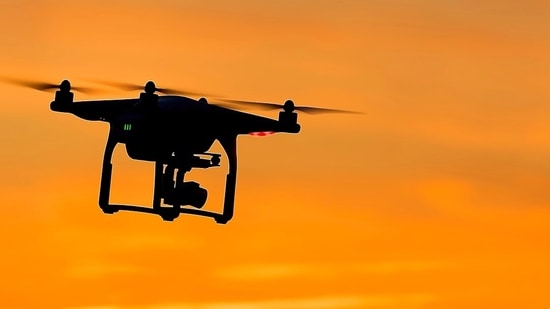
PREMIUMWestern officials say Russia could escalate its confrontation further and has already captured Ukrainian drones that it could use for potential false-flag attacks on NATO countries. (Unsplash)
Western officials say Russia could escalate its confrontation further and has already captured Ukrainian drones that it could use for potential false-flag attacks on NATO countries. (Unsplash)

European authorities have linked Russia to a spate of drone incursions, acts of sabotage, cyberattacks and other hostile actions across the continent over recent months.

Leaders across the U.S.-led North Atlantic Treaty Organization say the moves are a

In a sign of Washington’s concern, Central Intelligence Agency Director John Ratcliffe on Tuesday made a surprise trip to Moscow, in part to tell Putin’s government that the U.S. stands by its NATO allies, according to people familiar with the visit.

“Russia is looking for ways to reduce support among NATO countries for Ukraine and, one of the secondary effects they are also pursuing is spreading panic,” said Remigijus Bridikis, director of Lithuania’s civilian intelligence agency.

Russian President Vladimir Putin

Incidents over recent weeks included three explosive drones discovered in or near a German airport, one of them beneath a Ukrainian cargo plane. Russian drones have repeatedly entered NATO airspace. One was recently shot down over Romania.

Dutch intelligence agencies warned that “Russian state actors are systematically conducting digital espionage” by hacking web-linked cameras to spy on aid to Ukraine.

The tempo of documented Russia-backed incidents has increased from a maximum of around 10 in many months since 2024 to around 15 a month since April, according to Ukraine’s Sahaidachnyi Security Center, which tracks Russian grayzone activities in Europe. Sahaidachnyi analysts say trends can be difficult to discern because many incidents suspected of being linked to Russia aren’t included in their data.

The drumbeat of low-level aggression has accelerated as Russia’s war with Ukraine has entered a new and deadlier phase. Ukraine has carried out increasingly successful strikes on targets deep inside Russia, battering its oil and gas sector as well as other industries that feed Moscow’s war machine. The Kremlin is now doing the same to Ukraine—though the money and supplies feeding Kyiv’s front lines extend far into NATO territory.

gfx

European authorities have accused Russia of hiring local agents over Telegram and other social-media platforms to conduct sabotage, espionage and vandalism meant to stoke divisions. Estonia is investigating whether Russia-linked sabotage was behind the arson attack this month on a local defense company, Milrem Robotics, while recent explosions and fires at munitions facilities in Italy, Bulgaria and Finland have drawn suspicion of Russian involvement, even though authorities haven’t said they see evidence of that.

Whether Putin is behind all the mayhem or not, getting credit for it can play to Moscow’s advantage by boosting its reputation for influence and impact. Slovak police on Tuesday said they had thwarted an attempted attack on a drone factory by “three foreigners,” whose nationality they didn’t identify. Suspicions in the region quickly turned to Russian involvement.

A photo released by Slovak police shows objects used in an attempted attack on a drone factory.

Russia’s campaign may prompt worry among Europeans that they face personal danger as a result of their governments’ Ukraine policies. Another potential fear is that sending weapons to Ukraine depletes European arsenals, which might be needed to fight Russia—and if Moscow shows it poses a threat, the logic of not sending arms east increases.

Distinctions in motivation matter little to the Kremlin, analysts say. Russia’s approach to conflict, dating back to Soviet times, can blur lines between covert subversion and outright warfare.

New U.S. intelligence reports assess that Russia could try to test NATO’s resolve with a limited assault on a member country in the next few years, through steps potentially ranging from a cyberattack to a small-scale land incursion. NATO’s collective security is based on the founding principle that an attack on one member represents an attack on all.

Short of that, the Kremlin still gains from riling domestic politics ahead of coming local or national elections in NATO countries including Germany, France, Finland, Estonia and Poland. Poland is particularly prone to disruption because tensions with Ukrainian refugees have been mounting.

“The primary interest is to change the status quo in Europe,” said Estonian lawmaker Marko Mihkelson. “It’s an extension of the election interference you’ve seen them try to carry out” in other countries, he said. Officials in the U.S., U.K., Hungary and Romania over recent years have accused Moscow of trying to skew national voting.

There is little evidence that the plan is working. The alliance’s easternmost members show some of the strongest support for maintaining military aid to Ukraine and boosting military spending at home.

Romania, which had a robust Russia-sympathetic electorate in the years immediately following Russia’s invasion, has seen popular sentiment harden against Moscow following a series of drone incursions. Three drones were shot down over Romania last month and a drone incursion in May started a fire on the roof of a residential building.

Romania expelled a Russian diplomat last month, and the Kremlin responded Thursday by kicking out a Romanian diplomat in Moscow.

Write to Daniel Michaels at Dan.Michaels@wsj.com and Thomas Grove at thomas.grove@wsj.com

Russia has turned up the heat on Kyiv’s allies in Europe, with a string of grayzone activities aimed at sowing fear, as it struggles to advance on the ground in Ukraine and faces increasingly damaging Ukrainian drone and missile attacks at home.

PREMIUMWestern officials say Russia could escalate its confrontation further and has already captured Ukrainian drones that it could use for potential false-flag attacks on NATO countries. (Unsplash)
Western officials say Russia could escalate its confrontation further and has already captured Ukrainian drones that it could use for potential false-flag attacks on NATO countries. (Unsplash)

European authorities have linked Russia to a spate of drone incursions, acts of sabotage, cyberattacks and other hostile actions across the continent over recent months.

Leaders across the U.S.-led North Atlantic Treaty Organization say the moves are a worrying indication of Russia’s rising appetite for risk in Europe, as President Vladimir Putin seeks to curb flows of European aid to Ukraine and sow divisions among allies.

Western officials say Russia could escalate its confrontation further and has already captured Ukrainian drones that it could use for potential false-flag attacks on NATO countries. Kremlin Spokesman Dmitry Peskov has dismissed the reports, saying they are being used to justify European militarization against Russia.

In a sign of Washington’s concern, Central Intelligence Agency Director John Ratcliffe on Tuesday made a surprise trip to Moscow, in part to tell Putin’s government that the U.S. stands by its NATO allies, according to people familiar with the visit.

“Russia is looking for ways to reduce support among NATO countries for Ukraine and, one of the secondary effects they are also pursuing is spreading panic,” said Remigijus Bridikis, director of Lithuania’s civilian intelligence agency.

Russian President Vladimir Putin

Incidents over recent weeks included three explosive drones discovered in or near a German airport, one of them beneath a Ukrainian cargo plane. Russian drones have repeatedly entered NATO airspace. One was recently shot down over Romania.

Dutch intelligence agencies warned that “Russian state actors are systematically conducting digital espionage” by hacking web-linked cameras to spy on aid to Ukraine.

The tempo of documented Russia-backed incidents has increased from a maximum of around 10 in many months since 2024 to around 15 a month since April, according to Ukraine’s Sahaidachnyi Security Center, which tracks Russian grayzone activities in Europe. Sahaidachnyi analysts say trends can be difficult to discern because many incidents suspected of being linked to Russia aren’t included in their data.

The drumbeat of low-level aggression has accelerated as Russia’s war with Ukraine has entered a new and deadlier phase. Ukraine has carried out increasingly successful strikes on targets deep inside Russia, battering its oil and gas sector as well as other industries that feed Moscow’s war machine. The Kremlin is now doing the same to Ukraine—though the money and supplies feeding Kyiv’s front lines extend far into NATO territory.

gfx

European authorities have accused Russia of hiring local agents over Telegram and other social-media platforms to conduct sabotage, espionage and vandalism meant to stoke divisions. Estonia is investigating whether Russia-linked sabotage was behind the arson attack this month on a local defense company, Milrem Robotics, while recent explosions and fires at munitions facilities in Italy, Bulgaria and Finland have drawn suspicion of Russian involvement, even though authorities haven’t said they see evidence of that.

Whether Putin is behind all the mayhem or not, getting credit for it can play to Moscow’s advantage by boosting its reputation for influence and impact. Slovak police on Tuesday said they had thwarted an attempted attack on a drone factory by “three foreigners,” whose nationality they didn’t identify. Suspicions in the region quickly turned to Russian involvement.

A photo released by Slovak police shows objects used in an attempted attack on a drone factory.

Russia’s campaign may prompt worry among Europeans that they face personal danger as a result of their governments’ Ukraine policies. Another potential fear is that sending weapons to Ukraine depletes European arsenals, which might be needed to fight Russia—and if Moscow shows it poses a threat, the logic of not sending arms east increases.

Distinctions in motivation matter little to the Kremlin, analysts say. Russia’s approach to conflict, dating back to Soviet times, can blur lines between covert subversion and outright warfare.

New U.S. intelligence reports assess that Russia could try to test NATO’s resolve with a limited assault on a member country in the next few years, through steps potentially ranging from a cyberattack to a small-scale land incursion. NATO’s collective security is based on the founding principle that an attack on one member represents an attack on all.

Short of that, the Kremlin still gains from riling domestic politics ahead of coming local or national elections in NATO countries including Germany, France, Finland, Estonia and Poland. Poland is particularly prone to disruption because tensions with Ukrainian refugees have been mounting.

“The primary interest is to change the status quo in Europe,” said Estonian lawmaker Marko Mihkelson. “It’s an extension of the election interference you’ve seen them try to carry out” in other countries, he said. Officials in the U.S., U.K., Hungary and Romania over recent years have accused Moscow of trying to skew national voting.

There is little evidence that the plan is working. The alliance’s easternmost members show some of the strongest support for maintaining military aid to Ukraine and boosting military spending at home.

Romania, which had a robust Russia-sympathetic electorate in the years immediately following Russia’s invasion, has seen popular sentiment harden against Moscow following a series of drone incursions. Three drones were shot down over Romania last month and a drone incursion in May started a fire on the roof of a residential building.

Romania expelled a Russian diplomat last month, and the Kremlin responded Thursday by kicking out a Romanian diplomat in Moscow.

Write to Daniel Michaels at Dan.Michaels@wsj.com and Thomas Grove at thomas.grove@wsj.com

All Access.
One Subscription.

Get 360° coverage—from daily headlines
to 100 year archives.

E-Paper
Full
Archives
Full Access to
HT App & Website
Games
 
Get the latest World News, breaking headlines and global updates from the US, UK, Pakistan, Bangladesh, Russia and other countries. Follow major international events on Hindustan Times.
SHARE THIS ARTICLE ON
Hindustantimes wants to start sending you push notifications. Click allow to subscribe