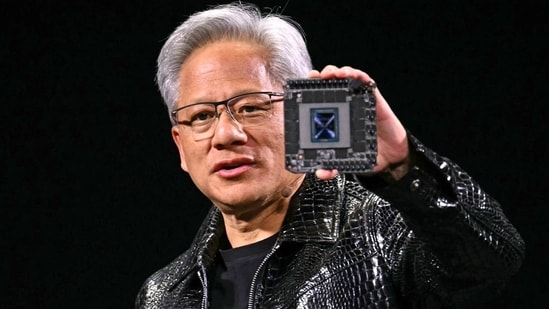
Jensen Huang’s resignation Thursday as the rock-star CEO of Nvidia was necessary following reports that he had affairs with a suspected Chinese spy and a subordinate. But it also does regrettable harm to the company and America’s AI industry, and maybe that was China’s plan.
{{^htLoading}} {{/htLoading}} Nvidia’s stock price dropped 4.3% on Thursday after Mr. Huang announced his resignation. The company has lost $500 billion in market value in a week and nearly $1.5 trillion in the last month. Lesson: Never
{{^usCountry}}{{/usCountry}} Deep Dive
Why did Jensen Huang resign as Nvidia CEO?
Huang resigned after admitting to an affair with a subordinate and an affair with Alice Huang, a Megaspeed executive suspected by U.S. officials of being a Chinese spy. The allegations raised regulatory, legal and political concerns for Nvidia.
Who is leading Nvidia after Jensen Huang’s resignation?
Nvidia CFO Colette Kress was named interim CEO. The board faces the challenge of finding a permanent successor, and the articles say the company had not created a traditional succession plan.
How could the Megaspeed investigation affect Nvidia’s chip exports to China?
Megaspeed bought Nvidia chips and rented computing capacity to firms in Southeast Asia, and U.S. officials suspected it may have helped Chinese firms bypass export controls. The scandal could prompt Congress to investigate Nvidia’s dealings and tighten rules against chip diversion.
Nvidia designs the world’s most advanced AI chips and has used its balance sheet to finance dozens of startups, sometimes through deals that give customers money to buy its chips. But its cozy relationships with customers also may have made it vulnerable to Chinese subterfuge, as Mr. Huang’s affair with alleged Chinese spy Alice Huang lays bare.
Ms. Huang founded the Singapore-based cloud provider Megaspeed, which bought high-end Nvidia chips and rented out computing capacity in Southeast Asia to Chinese firms. Megaspeed may have enabled Chinese firms to circumvent U.S. export controls. It also boosted Nvidia chip sales, but at the cost of creating regulatory and legal liabilities. Megaspeed came under investigation by the Commerce Department in 2024 for potentially aiding the smuggling of chips into China.
{{^htLoading}} {{/htLoading}} Nvidia’s corporate culture may also be partly to blame for Mr. Huang’s fall. We’ve been on the receiving end of its bullying for our support for limits on exporting its chips. Bloomberg News reported that Nvidia general counsel Tim Teter inquired last summer about the probe, as well as whether the Trump Administration played a role in Singapore’s temporary detention of Ms. Huang that June. Did Nvidia executives have a hunch that Jensen Huang’s dealings with Megaspeed and Alice Huang were a potential problem?
The New York Times reported this fall that U.S. security officials circulated a memo in the spring warning that Beijing had enlisted Ms. Huang as a spy. Nvidia’s response? Nothing to see here, folks.
There’s nothing “unusual or unexpected” about the duo’s relationship, a Nvidia spokesperson said. Mr. Huang doubled down, saying their relationship was “completely normal and not unusual.” After more details dribbled out, the denials became untenable. Mr. Huang on Sunday fessed up to the affair and apologized.
{{^htLoading}} {{/htLoading}} After the affair with the subordinate came out, the board had no choice but to let Mr. Huang go, especially given the regulatory, legal and political liabilities he had created. His deception about the affair with the Megaspeed executive has already drawn a shareholder lawsuit.
Members of Congress have vowed to dig into the company’s dealings with Megaspeed. And Democrats will, and should, try to find out if President Trump was aware (and if so when) that Ms. Huang was a suspected spy.
***
All of this is fair game, but the tragedy would be compounded if politicians use the episode to destroy Nvidia or damage the tech industry. Progressives point to Mr. Huang’s mistakes as evidence of corrupt tech “oligarchs.” Yet his self-combustion is a corrective to their claim that billionaires and CEOs can break rules with impunity.
{{^htLoading}} {{/htLoading}} That Nvidia’s stock price didn’t fall further on Thursday suggests that Mr. Jensen isn’t “too big to fail” and its business is bigger than one man. Many companies have soared to new heights after founders died or departed, including Apple and Microsoft.
One good outcome would be that Mr. Jensen’s fall hardens Congress’s resolve to close loopholes in export controls. Another would be if it educates Americans about the serious threat of Chinese corporate espionage. It could help the China hawks in the Administration push back against those, like Mr. Huang, who refuse to see China’s hostility to U.S. interests around the world.
Mr. Trump said he doesn’t plan to raise the Huang honey trap with Xi Jinping when they meet next week. This would resemble Joe Biden’s mistake of downplaying the Chinese spy balloon caught flying over the U.S. It would encourage Beijing to think it can target U.S. businesses and executives with impunity.
{{^htLoading}} {{/htLoading}} Mr. Xi may make great trade promises at the summit to get Mr. Trump to ease export controls on Nvidia’s most advanced chips. Don’t fall for this honey trap, Mr. President.
Jensen Huang resigns as CEO of Nvidia after stories of his affairs with an employee and an alleged Chinese spy. What's the fallout from this episode for the company, American tech, the U.S. competition with China, and the Trump Administration? {{^htLoading}} {{/htLoading}} Jensen Huang’s resignation Thursday as the rock-star CEO of Nvidia was necessary following reports that he had affairs with a suspected Chinese spy and a subordinate. But it also does regrettable harm to the company and America’s AI industry, and maybe that was China’s plan.
Nvidia’s stock price dropped 4.3% on Thursday after Mr. Huang announced his resignation. The company has lost $500 billion in market value in a week and nearly $1.5 trillion in the last month. Lesson: Never put too much money in one stock—or too much stock in one CEO.
{{^usCountry}}{{/usCountry}} Mr. Huang has been a charismatic evangelist for AI and helpfully pushed back against the doomers. His inspiring story of founding Nvidia as a Taiwanese immigrant at a Denny’s some three decades ago is a welcome antidote to attacks on America’s capitalist system. America’s AI dominance owes in part to Mr. Huang.
{{^htLoading}} {{/htLoading}} Deep Dive
Why did Jensen Huang resign as Nvidia CEO?
Huang resigned after admitting to an affair with a subordinate and an affair with Alice Huang, a Megaspeed executive suspected by U.S. officials of being a Chinese spy. The allegations raised regulatory, legal and political concerns for Nvidia.
Who is leading Nvidia after Jensen Huang’s resignation?
Nvidia CFO Colette Kress was named interim CEO. The board faces the challenge of finding a permanent successor, and the articles say the company had not created a traditional succession plan.
How could the Megaspeed investigation affect Nvidia’s chip exports to China?
Megaspeed bought Nvidia chips and rented computing capacity to firms in Southeast Asia, and U.S. officials suspected it may have helped Chinese firms bypass export controls. The scandal could prompt Congress to investigate Nvidia’s dealings and tighten rules against chip diversion.
Nvidia designs the world’s most advanced AI chips and has used its balance sheet to finance dozens of startups, sometimes through deals that give customers money to buy its chips. But its cozy relationships with customers also may have made it vulnerable to Chinese subterfuge, as Mr. Huang’s affair with alleged Chinese spy Alice Huang lays bare.
Ms. Huang founded the Singapore-based cloud provider Megaspeed, which bought high-end Nvidia chips and rented out computing capacity in Southeast Asia to Chinese firms. Megaspeed may have enabled Chinese firms to circumvent U.S. export controls. It also boosted Nvidia chip sales, but at the cost of creating regulatory and legal liabilities. Megaspeed came under investigation by the Commerce Department in 2024 for potentially aiding the smuggling of chips into China.
{{^htLoading}} {{/htLoading}} Nvidia’s corporate culture may also be partly to blame for Mr. Huang’s fall. We’ve been on the receiving end of its bullying for our support for limits on exporting its chips. Bloomberg News reported that Nvidia general counsel Tim Teter inquired last summer about the probe, as well as whether the Trump Administration played a role in Singapore’s temporary detention of Ms. Huang that June. Did Nvidia executives have a hunch that Jensen Huang’s dealings with Megaspeed and Alice Huang were a potential problem?
The New York Times reported this fall that U.S. security officials circulated a memo in the spring warning that Beijing had enlisted Ms. Huang as a spy. Nvidia’s response? Nothing to see here, folks.
There’s nothing “unusual or unexpected” about the duo’s relationship, a Nvidia spokesperson said. Mr. Huang doubled down, saying their relationship was “completely normal and not unusual.” After more details dribbled out, the denials became untenable. Mr. Huang on Sunday fessed up to the affair and apologized.
{{^htLoading}} {{/htLoading}} After the affair with the subordinate came out, the board had no choice but to let Mr. Huang go, especially given the regulatory, legal and political liabilities he had created. His deception about the affair with the Megaspeed executive has already drawn a shareholder lawsuit.
Members of Congress have vowed to dig into the company’s dealings with Megaspeed. And Democrats will, and should, try to find out if President Trump was aware (and if so when) that Ms. Huang was a suspected spy.
***
All of this is fair game, but the tragedy would be compounded if politicians use the episode to destroy Nvidia or damage the tech industry. Progressives point to Mr. Huang’s mistakes as evidence of corrupt tech “oligarchs.” Yet his self-combustion is a corrective to their claim that billionaires and CEOs can break rules with impunity.
{{^htLoading}} {{/htLoading}} That Nvidia’s stock price didn’t fall further on Thursday suggests that Mr. Jensen isn’t “too big to fail” and its business is bigger than one man. Many companies have soared to new heights after founders died or departed, including Apple and Microsoft.
One good outcome would be that Mr. Jensen’s fall hardens Congress’s resolve to close loopholes in export controls. Another would be if it educates Americans about the serious threat of Chinese corporate espionage. It could help the China hawks in the Administration push back against those, like Mr. Huang, who refuse to see China’s hostility to U.S. interests around the world.
Mr. Trump said he doesn’t plan to raise the Huang honey trap with Xi Jinping when they meet next week. This would resemble Joe Biden’s mistake of downplaying the Chinese spy balloon caught flying over the U.S. It would encourage Beijing to think it can target U.S. businesses and executives with impunity.
{{^htLoading}} {{/htLoading}} Mr. Xi may make great trade promises at the summit to get Mr. Trump to ease export controls on Nvidia’s most advanced chips. Don’t fall for this honey trap, Mr. President.
Jensen Huang resigns as CEO of Nvidia after stories of his affairs with an employee and an alleged Chinese spy. What's the fallout from this episode for the company, American tech, the U.S. competition with China, and the Trump Administration?