World War 1 started on July 28, 1914, and ended more than four years later on November 11, 1918. The war led to the mobilisation of more than 70 million military personnel from the European powers and their colonies, making it one of the largest wars in history.
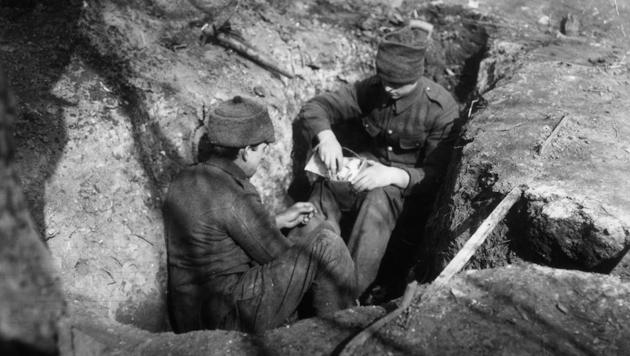
An estimated nine million soldiers and seven million civilians died as a direct result of the war; between 50 and 100 million more were estimated to be killed in genocides and epidemics that followed. Some 100 years later, let us have a look at the key theatres of the war and the important battles that changed the course of history forever.
The Western Front
Spread across France and Belgium, from the Swiss border to the Northern Sea, it was from the Western Front that the war really started. Beginning with the early trench wars, this Front saw some of the most important battles of the war. It was here, in Ypres (in Belgium), that soldiers faced deadly poison gas for the first time. By the end of the war, both the Allies and the Germans had used tonnes of gas, killing thousands of people. Erich Maria Remarque’s classic novel ‘All Quiet On The Western Front,’ which also lent itself to a screen classic of the same name, is based on the action here.
The Eastern Front
{{/usCountry}}The Eastern Front
{{/usCountry}}The Eastern Front included east and central Europe and the Middle East. Battles here involved big armies making sweeping movements and using innovative war tactics. One of the important battles here was the campaign of Gallipoli where the Ottomans defeated the Allied forces. According to recent estimates, more than 15,000 Indians are believed to have fought in Gallipoli and over 1,500 are believed to have been killed. In the siege of Kut al Amara, in the Middle East, Allied troops were trapped for five months, surrounded by enemies, with nothing to eat.
The African Front
The battles here were because of the imperial colonies. The war in East Africa was the longest of all – even as the Armistice was being signed in Europe on November 11, the German and British troops were still fighting here. There was action along the coast; in the West and south, the allies attacked German-held ports. Most of those who fought here were Africans or Indians. ‘Native carriers’ including women and children were used to carry supplies and ammunition and many died. Around 1,00,000 died in East Africa and 65,000 in French North Africa and French West Africa. The war also fuelled mutinies in some colonies.
Asia and Pacific
The war here mostly consisted of naval battles and the conquest of German colonies in China and the Pacific Ocean. The most significant battle here was the siege of Tsingtao, a German controlled port. After the end of the war, Tsingtao became a bone of contention between China and Japan - the two countries had been vying for supremacy for years. While Japan was part of the Allied forces, China had sent thousands of labourers to help the Allied forces. The issue of Tsingtao was the reason the Chinese didn’t sign the Treaty of Versailles in June 1919. The issue also led to a protest in China.