Chiricahua in southeastern Arizona has officially become a US national park after President Donald Trump signed the Chiricahua National Park Act into law on Tuesday, October 20, 2026. The area was previously known as Chiricahua National Monument and had been protected for more than a century.
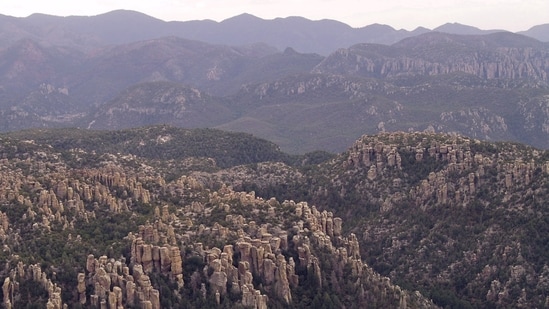
The new national park covers around 12,025 acres in the Chiricahua Mountains, about 120 miles southeast of Tucson, Arizona. The designation makes it the fourth national park in Arizona and the 64th national park in the United States, according to Interior Secretary Doug Burgum.
Chiricahua National Park gets new status
The law was approved by Congress late last month before Trump signed it. Arizona Republican Representative Juan Ciscomani introduced the legislation in the House of Representatives in December, while Democratic Senators Mark Kelly and Ruben Gallego introduced it in the Senate in January.
A new sign marking Chiricahua as a national park was unveiled on Tuesday afternoon. The unveiling took place during a designation ceremony at the park's historic Faraway Ranch. The event was led by Ciscomani and Interior Secretary Doug Burgum, with park rangers and supporters attending.
Chiricahua National Park tourism hopes rise
Chiricahua is known as the “Wonderland of Rocks.” The area features tall, unusual rock formations, making it a popular destination for people who enjoy nature and outdoor activities. It is also known for birdwatching, dark night skies, diverse wildlife and a long history of human settlement.
{{/usCountry}}Chiricahua is known as the “Wonderland of Rocks.” The area features tall, unusual rock formations, making it a popular destination for people who enjoy nature and outdoor activities. It is also known for birdwatching, dark night skies, diverse wildlife and a long history of human settlement.
{{/usCountry}}Chiricahua is the first new national park established in the US since 2020. It is also the first park in Arizona to receive national park status since Saguaro was upgraded from a national monument in 1994, Ciscomani said.
Also read: US mortgage applications fall 5.3% despite drop in 30-year mortgage rates to 7.41%
Ciscomani said the change was a rare and important moment for the country. He said national park designations do not happen every year or even every decade, and described the occasion as a major event for the nation.
Willcox expects more visitors and investment
Willcox officials welcomed the designation, hoping it will bring more visitors and investment. Willcox is one of the communities expected to benefit from increased tourism in the region. Willcox Mayor Greg Hancock celebrated the decision during the ceremony. He said the new national park was exciting news for Willcox, Cochise County, Arizona and the entire United States.
However, local leaders and businesses expect the national park name to attract more tourists. The new status could bring greater national attention to southeastern Arizona, increase visitor numbers and create opportunities for businesses in the region.
Hancock described the decision as an investment in rural America. He said local leaders did not pursue the change simply to put a new name on a sign. They wanted to support the future of their community through tourism, national recognition, new businesses and investment across Willcox and southern Arizona.
Chiricahua National Park visitor numbers may rise
Businesses along the route to Chiricahua are also hoping to benefit. Ciscomani said he stopped at the famous roadside attraction known as “The Thing” on Interstate 10 near Dragoon while travelling to the park. Staff there told him they were excited about the possibility of more customers visiting the wider region.
Also read: Social Security October 2026 payment dates and steps to take if checks are delayed
Burgum expects visitor numbers to rise sharply because of the national park designation. He said around 70,000 people visited Chiricahua in 2025 and predicted that the number would increase significantly. He described the national park name as one of America's most powerful brands.
Higher visitor numbers could also create a need for more staff and better facilities. Burgum said the National Park Service would need to provide adequate staffing, infrastructure funding and visitor programmes as tourism grows.
National Park Service funding and staffing concerns
The expected tourism boost has raised questions about whether the government can adequately support its parks. Critics argue that the administration must ensure existing national parks have enough money and staff to protect visitors and maintain facilities before celebrating the creation of another national park.
Bill Wade, executive director of the Association of National Park Rangers, also raised concerns about staffing and budgets. Wade accused Burgum of systematically weakening the National Park Service through staff dismissals, budget cuts and the redirection of visitor entrance fees towards President Trump's projects in Washington, DC.
Wade warned that Arizona's national parks were already under serious pressure. He said the parks were at a breaking point, raising concerns about whether they would have enough resources to manage additional visitors.
Chiricahua National Park to get new signs
Burgum suggested that Chiricahua's new status could help it receive greater federal funding priority. Responding to reporters after the ceremony, he said increased visitor numbers would require more investment in infrastructure, particularly as national parks receive greater attention as flagship destinations.
The immediate changes at Chiricahua will mainly involve its name and branding. Burgum said the National Park Service would update websites, signs and other materials to reflect the new designation. The process is expected to take time, and the park's existing visitor access will continue.
The designation is expected to put Chiricahua on the map for more travellers, but its long-term impact will depend on support and investment. Local leaders are counting on higher tourism to benefit businesses and communities across southeastern Arizona. At the same time, concerns about staffing, infrastructure and funding remain as the park prepares for a possible increase in visitors.