
 E-Paper


Exploring the world’s most notorious ghost towns and their haunted histories
Abandoned historic sites and ghost towns worldwide, such as Craco in Italy and Pripyat in Ukraine, offer glimpses into the past.

 Prefer HTon Google


There are a large number of historic sites and forts that have been abandoned or destroyed. Standing atop the damaged walls allows us to view the history and piques our interest in what transpired there. Certain communities have been abandoned—some even overnight. Once-thriving cities with upscale residences, marketplaces, and inhabitants are now barely inhabited by a single family.
These locations are genuine and may be found all over the world, not just on television or film screens. Some towns suffered from wars, nuclear strikes, or the fall of empires. These areas are known as "ghost towns," which are abandoned communities where remnants may still be seen.
Some of these infamous ghost towns across the globe are:
Craco, Italy
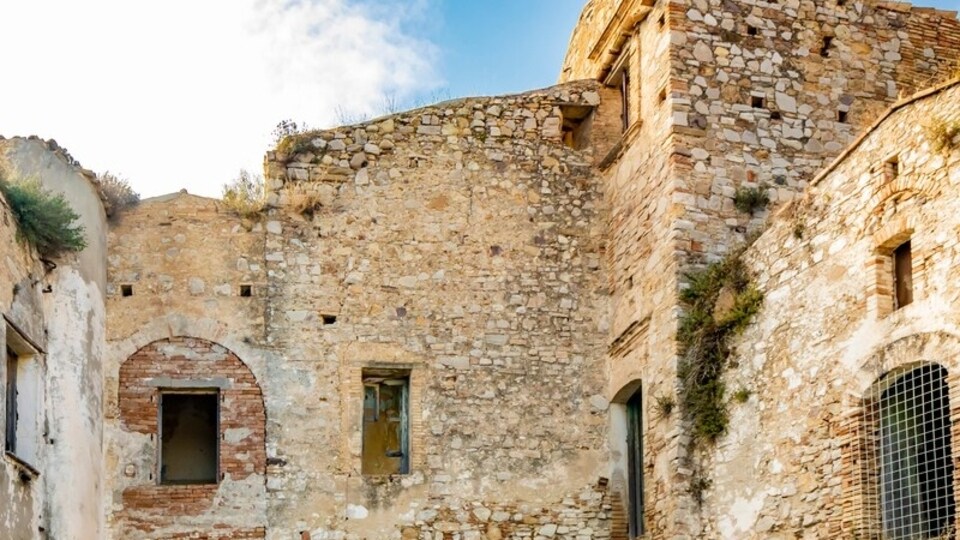
The Italian city of Craco, which was built at a height of 1,312 feet, was abandoned following several natural calamities. After its discovery in the eighth century, the city suffered a landslip in 1963, and to exacerbate the situation, the town was flooded in 1972.
An earthquake in 1980 was the final straw, forcing the residents to completely leave the city. Tourists continue to visit this city despite the fact that the region is a ticking time bomb. The Passion of the Christ was also filmed in this abandoned area in a few sequences.
Hashima Island, Japan
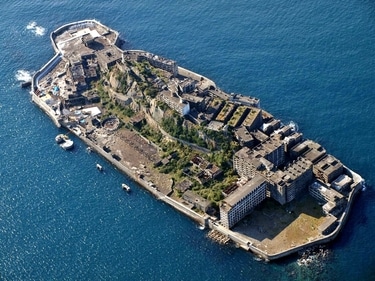
Hashima Island was a colony of mine workers and their families who worked in the underground coal mines, and it was once a thriving community. The city was founded in 1887, 80 years after coal was found on the island, and is 15 km from Nagasaki. When people began leaving because of the declining coal reserves, the area, which had a large population in 1959, saw a sudden transformation. In 2009, the island was accessible to tourists after the government renovated a few of the structures. In 2015, Hashima received the designation of 'UNESCO World Heritage Site'.
Also read: Getting ghosted or dry chats? This texting habit is to be blamed
Pripyat, Ukraine
The most well-known ghost town in the world is Pripyat, which lies in Ukraine. When a portion of the Chernobyl Nuclear Station erupted in April 1986, the whole town—which had once been home to over 50,000 people—was evacuated. The residents were forced to evacuate right away due to the dangerously high radiation levels.
Only a few remnants remained, and they now give the town a spooky feel. Since radiation levels have decreased, the region is now safe to explore, drawing thrill-seekers and photographers to this eerie village.

Also read: Desolation in a ghost town in Delhi
Kolmanskop, Namibia
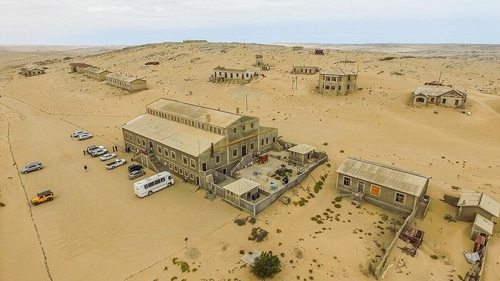
There were several schools, hospitals, and some of the finest examples of German architecture in Namibia when Germans travelled to Kolmanskop in search of diamonds. It was a bustling town until the 1990s. However, as World War I unleashed its terror and a nearby diamond-rich region was discovered, many residents evacuated, and the population began to shrink. The infrastructure is gradually eroding beneath the desert, and the land is now bare.
Also read: Germany one of India’s most important partners in Europe: Modi
North Brother Island, New York
Built on a 20-acre island, the Riverside Hospital beside the East River served as a quarantine facility for smallpox victims in the late 1800s.
Yellow fever, TB, and typhus patients were also treated at the hospital. When the steamer caught fire close to the island in 1905, more than a thousand people died. Following World War II, the hospital reopened and began treating drug addicts and veterans. However, the facility was permanently closed in 1963. The island has been deserted ever since and is the subject of much mystery.


