US Vice President JD Vance has reiterated his focus on protecting American jobs, linking his support for reindustrialization to employment opportunities for US workers, amid the Trump administration’s latest crackdown on employment-based immigration and scrutiny of foreign-worker programs.
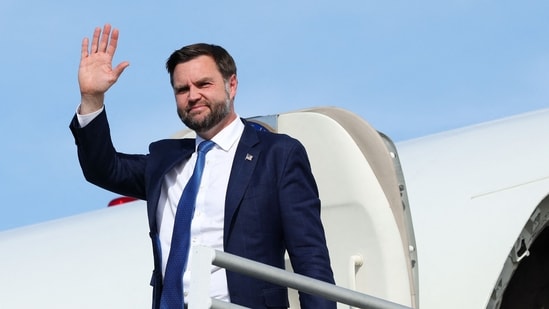
“Part of the reason I care so much about reindustrialization, is because I care about American jobs,” Vance said in a post on X.
Deep Dive
Why does JD Vance link reindustrialization to protecting American jobs?
How do the PERM restrictions affect green-card applications at the eight named companies?
Does the PERM pause cancel H-1B visas for workers at those companies?
The remark comes as the administration steps up efforts to scrutinize how companies hire foreign workers and sponsor them for permanent residency. The latest measures have brought employment-based immigration, including the H-1B visa program and employer-sponsored green cards, into sharper focus.
Vance’s American jobs push and the visa crackdown
{{/usCountry}}Vance’s American jobs push and the visa crackdown
{{/usCountry}}The administration’s position links its immigration enforcement drive to concerns about American workers’ employment prospects, wages and access to jobs. Vance has argued that employers should not lay off US employees while relying on foreign-worker programs to fill positions.
In a press conference on October 8, Vance criticized tech companies over their use of foreign workers and raised concerns about the relationship between temporary work visas and employment-based permanent residency. The administration also announced restrictions affecting green-card processing through the Permanent Labor Certification (PERM) program for eight companies.
The companies named were Microsoft, Adobe, Cognizant, Infosys, Tata Consultancy Services (TCS), Wipro, HCL Technologies and Capgemini.
The Labor Department said it would not accept new PERM applications involving these companies or process pending applications. PERM is generally a required step for employers seeking to sponsor eligible foreign workers for employment-based green cards.
What the measures mean for foreign workers
The latest action does not amount to a blanket suspension of H-1B visas. The H-1B program allows US employers to hire eligible foreign professionals in specialized occupations, while PERM is part of a separate process that can lead to permanent residency.
However, the restrictions could complicate or delay green-card plans for workers whose applications depend on employer-sponsored PERM certification. The impact on individual employees will depend on their immigration status and the stage of their cases.
The administration has also announced investigations into nine universities over their use of J-1 exchange-visitor visas, which cover certain international scholars, researchers and exchange-program participants. Officials have alleged misuse of foreign-worker programs, but the investigations do not establish that every institution under scrutiny has violated immigration rules.
A multi-agency visa-fraud strike team is also being formed to investigate suspected abuses of foreign-labor programs and coordinate with the Justice Department on potential prosecutions.
Vance’s latest message on reindustrialization reinforces the administration’s stated emphasis on American employment as it expands scrutiny of foreign-worker hiring and immigration sponsorship.