Social Security beneficiaries in the US could face a 22% cut in their retirement and survivor benefits in 2032 if Congress does not take action to address the program's funding problems, according to the Committee for a Responsible Federal Budget (CRFB).
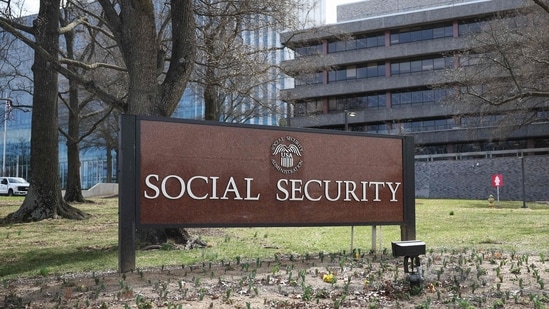
The warning comes even as millions of retirees prepare to receive a higher monthly payment in 2027. The increase is linked to the annual cost-of-living adjustment (COLA), which is designed to help Social Security benefits keep up with inflation.
Social Security benefits could face 22% cuts in 2032
Social Security's retirement trust fund is projected to run out of its reserves in 2032. This has raised concerns about whether the program will be able to pay retirees their full scheduled benefits in the coming years.
According to the Social Security trustees' 2026 report, the program would still receive money through ongoing income, mainly payroll taxes, even after its reserves are depleted. However, this income would be enough to cover only about 78% of scheduled retirement and survivor benefits if lawmakers do not change the law.
The projected shortfall means beneficiaries could face an automatic reduction in their payments if Congress fails to find a solution before the trust fund runs out of reserves. The 22% cut is a projection of the possible reduction, not a cut that has already been announced.
{{/usCountry}}The projected shortfall means beneficiaries could face an automatic reduction in their payments if Congress fails to find a solution before the trust fund runs out of reserves. The 22% cut is a projection of the possible reduction, not a cut that has already been announced.
{{/usCountry}}Also read: Social Security COLA 2027: 3.6% increase adds $75 a month to retirees’ benefits from January
2027 COLA increase to raise monthly payments
Meanwhile, the Social Security Administration announced a 3.6% COLA increase for 2027 on Wednesday. The adjustment will raise the average monthly retirement benefit by about $75, from $2,095 to $2,170, according to estimates cited by AARP.
The 2027 COLA will take effect with December 2026 benefits, which beneficiaries will receive in January 2027. The adjustment is intended to help older Americans manage rising living expenses.
The 3.6% increase is the highest annual COLA in four years. It is also higher than the 2.8% adjustment beneficiaries received in 2026.
The annual adjustment is based on inflation data from the third quarter. In September, the Consumer Price Index for Urban Wage Earners and Clerical Workers recorded a 3.9% increase compared with the same month last year, reflecting the inflation trend used to calculate the 2027 COLA.
Rising costs could reduce Social Security COLA gains
Healthcare costs could also rise in 2027. The standard Medicare Part B premium is projected to increase by $6.60 per month to $209.50, according to AARP. Medicare Part B generally helps cover outpatient medical services, including doctor visits.
The higher Medicare premium could reduce some of the benefit increase retirees receive. Although the COLA raises their Social Security payments, higher healthcare expenses may leave them with less additional money to spend on other needs.
Social Security COLA to add $900 a year for average retirees
The Committee for a Responsible Federal Budget estimates that the 3.6% COLA will add about $900 a year to the average retiree's Social Security benefits. However, this increase does not resolve the program's long-term funding shortfall or guarantee that future benefits will remain at their scheduled levels.
Also read: Social Security COLA 2027: Why Medicare deductions could reduce retirees' monthly benefit increase
CRFB estimates that people receiving the highest Social Security benefits could get more than $2,200 in additional payments annually because of the 2027 adjustment. This means higher-benefit recipients could receive a substantially larger dollar increase than the average retiree.
The group also estimates that couples with the highest earnings who retired in 2026 at the normal retirement age could receive a combined annual increase of about $3,600. Their total yearly Social Security benefits could rise above $100,000 following the adjustment.
Younger workers are also directly connected to Social Security's financial future because payroll taxes collected from current workers help fund the program. At the same time, the retirement trust fund faces a projected funding gap, raising questions about how the government will balance the needs of current retirees with the cost of future benefits.
CRFB and AARP disagree on Social Security changes
The group also supports bringing in additional revenue and making other changes to benefits to address Social Security's long-term financial problems. Such reforms could be considered by lawmakers as they work to prevent a sharp reduction in scheduled payments when the trust fund's reserves are depleted.
The debate over Social Security therefore involves two major concerns: helping retirees manage rising living costs today and ensuring that the program can continue paying benefits in the future. While the 2027 COLA will provide higher monthly payments, the projected 2032 funding shortfall remains unresolved.