
 E-Paper



Kathmandu in turmoil: Why Nepal’s Gen-Z has taken to the streets
Social media apps went dark last week following the government's order. The outrage that followed has since grow into a larger movement against corruption.

 Prefer HTon Google


The protests in Nepal that led to chaos and multiple deaths in capital Kathmandu on Monday came after the government's decision to ban 26 social media platforms, including widely used apps such as Facebook, Instagram, WhatsApp, YouTube, Reddit and Snapchat, for not registering under new rules.
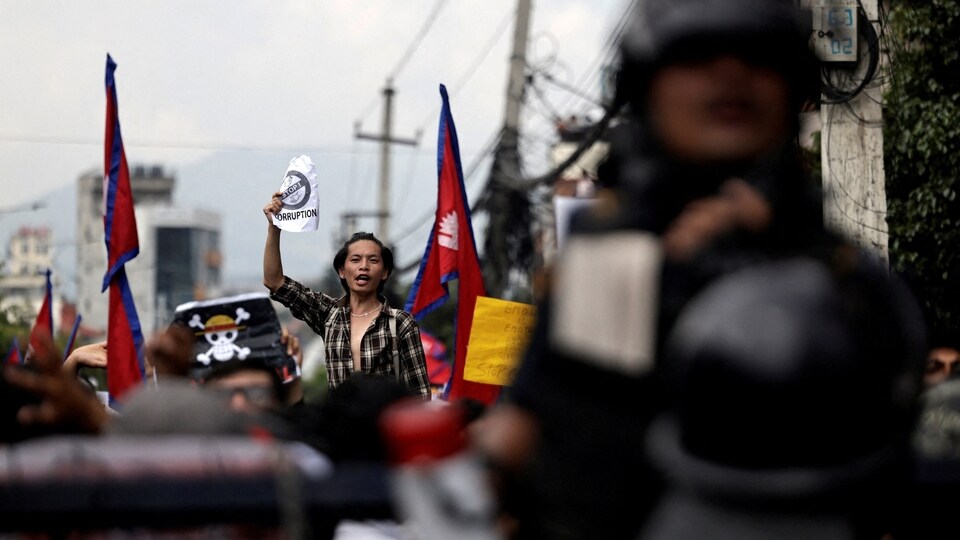
The government led by Prime Minister KP Sharma Oli argues that the rules are an effort to tax the revenue these apps generate in Nepal.
But critics stress that the government wants to control content critical of it. TikTok is being cited by protesters as an example of what could happen: thousands of posts allegedly removed on government directions.
When did Nepal social media ban come into effect?
Following the order from the government after a deadline to register passed, the social media apps and sites went dark past midnight on September 4.
Online outrage and peaceful demonstrations followed but did not broker a reversal. The anger did not take long to grow into a larger movement against corruption in general in the country.
The Nepal central government says it took action against the apps after issuing repeated warnings.
It wants them to open offices in Nepal, following a cabinet decision last month that set a deadline. An August 17 Supreme Court ruling also required the social media companies to register and pay requisite taxes.
Which apps have registered under Nepal's new rules?
Platforms that remained accessible include Viber, TikTok, Wetalk and Nimbuzz, which are registered in Nepal. Telegram and Global Diary are in the process, reports said.
But Meta-owned Facebook, Instagram and WhatsApp have yet to initiate registration.
Some social media platforms that were already paying taxes in Nepal, despite not being officially registered, have also been blocked, ANI reported.
Nepal IT minister Prithvi Subba Gurung earlier said platforms had been given ample time to register. Meta, Google and Snap did not respond to requests for comment by news outlets.
How protest against Nepal social media ban grew
Matters escalated on Monday after social media users, simply calling themselves ‘Gen-Z’ (a term used for those born around the turn of the millennium), called for a nationwide protest.
Leaflets and posts had earlier called for people to gather near the parliament in the capital. The protesters accuse the government of stifling free expression while failing to address deep-seated corruption.
Nepali artists, actors, and entertainers voiced their support too.
Actor Hari Bansha Acharya posted on Facebook: "Today's youth do more than just think – they ask questions. Why did this road collapse? Who is accountable? This is not a voice against the system but against those who misuse it."
Singer-actor Prakash Saput publicly supported the protestors by sending NRs 25,000 each to two brothers participating in the protests, advising them to stay hydrated and use the funds to help fellow demonstrators, The Kathmandu Post reported.


