E-Paper



Hospitals that hide number of C-section deliveries may lose empanelment


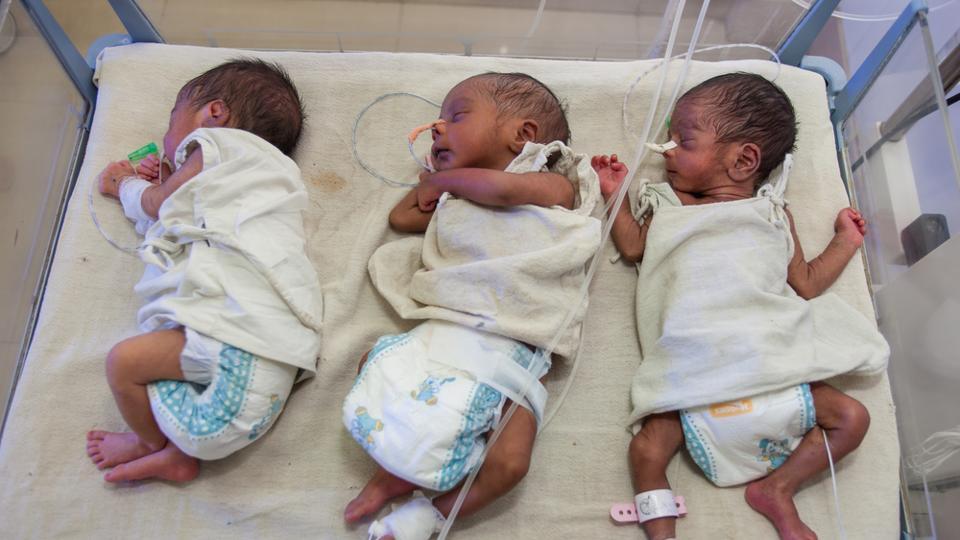
Aiming to curb unnecessary Caesarean-section deliveries, the Central Government Health Scheme (CGHS) has planned to cancel the empanelment of private hospitals that
Aiming to curb unnecessary Caesarean-section deliveries, the Central Government Health Scheme (CGHS) has planned to cancel the empanelment of private hospitals that don’t display the exact number of c-sections prominently at the front desk.
In India, 55.75% babies were delivered using c-sections at CGHS-empanelled private hospitals in 2016-17, data presented in Parliament showed.
World Health Oragnisation (WHO) guidelines say c-section deliveries should be 10%-15% of the total deliveries and should be done only in cases of an emergency.
“It will be mandatory to mention the number of cesarean deliveries right at the hospital reception when they apply for the next empanelment whenever it comes up for renewal. We will renew licenses of only those hospitals that would comply,” said CGHS director Dr DC Joshi.
“By year end, we should have 100% compliance from all empanelled hospitals,” he added. India has about 35 million CGHS beneficiaries and close to 1,000 empanelled private hospitals.
In June this year, CGHS had asked its empanelled hospitals to declare the C-section numbers but without much success.
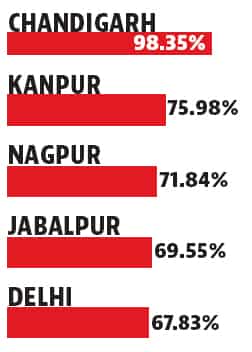
Chandigarh has the most alarming figures, with 98.35% of deliveries in private hospitals taking place through Caesarean section. It is followed by Kanpur with a 75.98% rate and Nagpur with 71.84%.
The recent National Family Health Survey (NFHS)-4 also shows that in past 10 years the percentage of C-section deliveries in private hospitals had jumped from 27.7% in 2005-06 to 40.9% in 2015-16.
However, the percentage of C-sections in government hospitals remains 11.9%.
“This is a recent data and reflective of a grim trend. However, the problem is multifactorial. We were looking at the global scenario and realised that the numbers (of C-section surgeries) are quite high in developed countries with higher socio-economic background,” Dr Joshi said.
“The concept of planned surgeries to save time and avoid labour does play a role, and there is also a prominent commercial angle to it.”