
 E-Paper



Whistleblowers at risk? Activists protest as govt prepares to notify new RTI rules
The government is all set to notify a new set of Right to Information rules that will allow appeals to be withdrawn and, according to activists, put the lives of whistleblowers in danger.

 Prefer HTon Google


The government is all set to notify a new set of Right to Information (RTI) rules that will allow appeals to be withdrawn and, according to activists, put the lives of whistleblowers in danger.
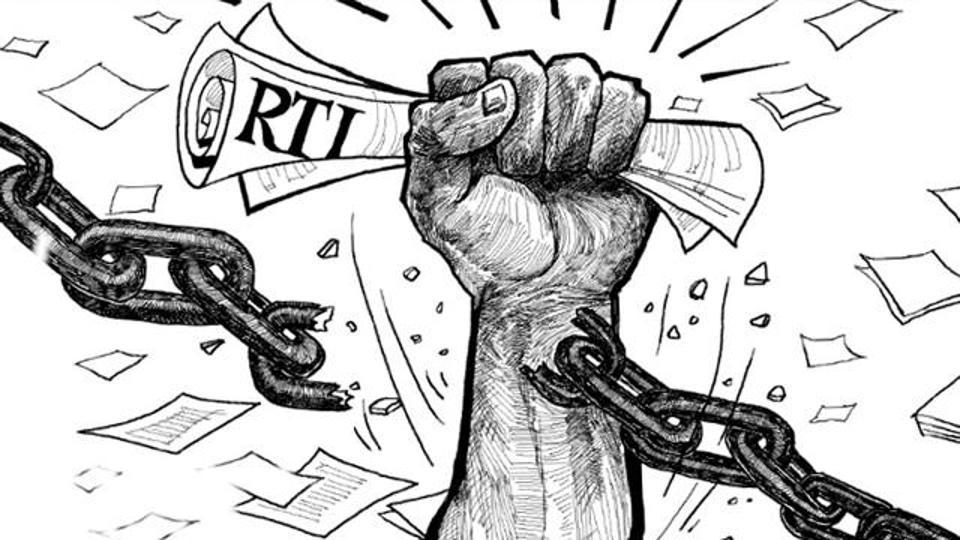
The Central Information Commission (CIC) had challenged a Delhi high court order nullifying a number of regulations it issued in 2007. During the hearing, the Centre gave an undertaking that new RTI rules would be notified in consultation with the information watchdog soon. The case will be heard on May 2.
RTI activists have vehemently protested against the move, stating that it would weaken the only law that empowers citizens to question the government. “The most dangerous aspect of the new rule is abatement (lapse without any action being taken) in case of the applicant’s death. This is in clear violation of the 2011 resolution of the CIC vis-à-vis the proactive disclosure of information sought by the applicant after his or her death. The new rule will nullify the 2011 resolution,” said Ventakesh Nayak of the Commonwealth Human Rights Initiative.
Activists also expressed concern over a provision that allowed applicants to withdraw their appeals before the CIC. “This will only help individuals against whom the information is being sought to pressurise applicants into withdrawing their appeals. The authorities can also use this to harass applicants,” said National Campaign for People’s Right to Information (NCPRI) member Anjali Bhardwaj, demanding that the government drop the provision.
The draft rule issued by the Department of Personnel and Training (DoPT) has raised manifold concerns at a time when new data confirms the murder of 65 RTI applicants and assault on 400 others since 2005 – when the RTI law came into force.
The Centre had told the Supreme Court earlier this year that it was in the process of framing new rules for regulating the transparency law.
The NCPRI, which recommended changes in each section of the draft rule, also asked the DoPT to make public the reasons for not accepting the response to the draft rules in accordance with the RTI Act. Tuesday was the last day for submitting the response.
The Modi government has claimed that there was nothing new in the proposed draft because it was only a replica of 2012 notification by the UPA government, which enacted the law in 2005.
Three controversial provisions and suggested changes
Provision 1: The commission can allow whistleblowers to withdraw their appeals, or let the applications abate in the event of their death.
Suggestion: The rule should be deleted, and replaced with the CIC resolution of 2011 that mandated proactive disclosure of information sought by a person who has either been assaulted or killed.
Provision 2: A complaint to the commission for not providing the information should have six sets of documents with a copy of the appeal filed with the First Appellate Authority.
Suggestion: The proposed rule goes beyond the diktat of the law and prescribed format by the Supreme Court in 2012, and therefore, should be changed to make it easier for applicants.
Provision 3: An appeal can be filed before the first Appellate Authority or any other person competent to pass orders on such an appeal.
Suggestion: This should be deleted because it gives any officer the power to hear an appeal, and goes beyond the RTI Act.


