
 E-Paper





Follow the latest breaking news, major developments and agenda-setting stories from India and around the world with the newsdesk at Hindustan Times. Operating round the clock, the desk brings together experienced editors, reporters and correspondents to deliver fast, accurate and contextual reporting across subjects that influence public policy, governance, business, society and international affairs. The HT News Desk covers politics, elections, government policies, the economy, business and markets, science and technology, the environment, law and order, infrastructure, education, climate issues and geopolitics, while closely tracking developments across states, institutions and global capitals. The team also leads coverage of major breaking news events, policy announcements, court proceedings, natural disasters, public emergencies and significant international developments. Reports published by the newsdesk are based on information gathered from reporters on the ground, official statements, government agencies, court records, regulatory filings, recognised institutions and other authoritative sources. Stories undergo editorial scrutiny and verification processes to ensure accuracy, fairness and relevance, and are updated as events evolve and additional information becomes available. Whether covering a key political decision in New Delhi, an economic policy shift affecting millions, a landmark court ruling or a major global event, the HT News Desk aims to provide readers with reliable, fact-based journalism that delivers not only the latest developments but also the context and analysis needed to understand their wider implications.
 Trending News
Asteroid collision with Earth inevitable, could destroy major cities: Experts
The warning comes ahead of Asteroid Day on June 30.


An asteroid strike on the Earth is just a matter of time and such events could destroy major cities, experts warn.
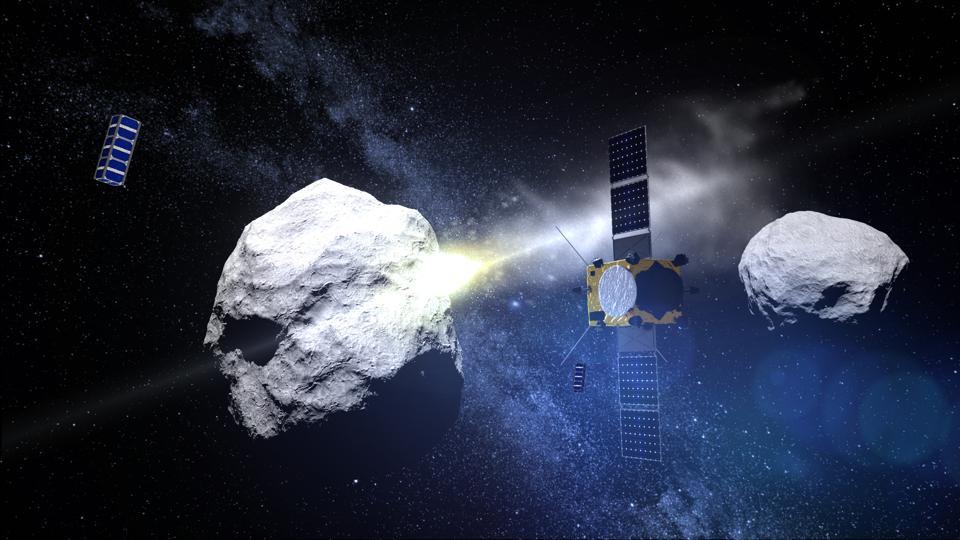
According to Alan Fitzsimmons from Queen’s University Belfast in the UK, it is a case of when an asteroid collision will happen, rather than if it will happen.
The warning comes ahead of the upcoming Asteroid Day on June 30. On that day in 1908, a small asteroid exploded over Tunguska in Siberia and devastated over 2,000 square kilometres.
This year, discussions and presentations will be streamed live from Luxembourg on June 30.
Experts including Apollo 9 astronaut Rusty Schweickart and International Space Station astronaut Nicole Stott will answer questions from social media followers.
Fitzsimmons warns that a similar unexpected strike in today’s world could easily destroy a major city and a larger asteroid could be more dangerous.
“It is important to know that scientists and engineers have made great strides in detecting Near-Earth Asteroids and understanding the threat posed by them,” said Fitzsimmons. “Over 1,800 potentially hazardous objects have been discovered so far, but there are many more waiting to be found,” he said.
“Astronomers find Near-Earth Asteroids every day and most are harmless. But it is still possible the next Tunguska would take us by surprise, and although we are much better at finding larger asteroids, that does us no good if we are not prepared to do something about them,” he added.


