Despite the strain in ties with Kathmandu establishment, India believes it has taken the right call in asking Nepal’s political leadership to draw out a more inclusive constitution, which should have the ownership of the broadest section of Nepali people, including the Madhesis of the plains. This is the only way to prevent a long term conflict.
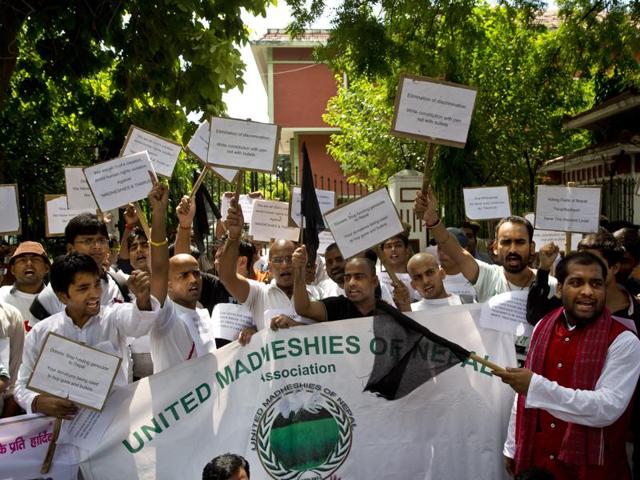
Delhi recognises the popular underpinnings of the movement in the Tarai, which has now crossed 50 days. Madhesis argue that the present Constitution reduces their political representation, and compromises the architecture of affirmative action and will leave them excluded across state organs.
It also leaves them with a truncated province with limited resources in the eastern plains, while Tharus are reduced to a political minority in the western plains. They feel the Constitution is rigid, and it will be difficult - if not impossible- to amend in the future, and this is a decisive ‘aar ki paar’ battle.
Delhi can sense that unless the currently disaffected section of the population is taken on board, ethnic radicalism could grow and divisions in Nepal could get further entrenched. Given the open border-special relationship, this conflict would inevitably affect India. It would then be even more difficult to sort out and that is why the need is to nip the problem in the bud. ‘A stitch in time will save nine’ is a phrase doing the rounds in government, for currently the issues are not intractable.
It is not in India’s interest to see the gulf between Kathmandu and Tarai increase. At the cost of facing flak from Kathmandu’s elites, it is giving advice they are finding difficult to digest -- address dissent, be inclusive, and lay foundations for a strong, united Nepal rather than one torn between communities and regions.
{{/usCountry}}It is not in India’s interest to see the gulf between Kathmandu and Tarai increase. At the cost of facing flak from Kathmandu’s elites, it is giving advice they are finding difficult to digest -- address dissent, be inclusive, and lay foundations for a strong, united Nepal rather than one torn between communities and regions.
{{/usCountry}}The author’s views expressed are personal.